Is My AC Compressor Bad Everything You Need to Know
is my ac compressor bad is an essential topic that provides valuable insights.
Your air conditioning system works hard to keep your home cool and comfortable. At the heart of that system is the AC compressor. When this component starts to fail, the whole cooling process breaks down. Many homeowners ignore early warning signs until the problem becomes serious and expensive.
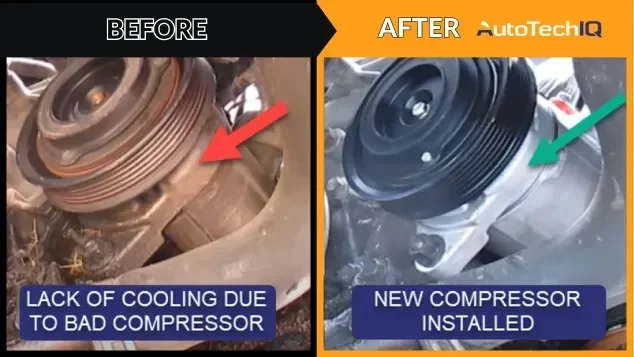
Understanding what a bad compressor looks like can save you time, money, and a lot of discomfort. Whether you are dealing with a noisy unit, warm air, or frequent shutdowns, this guide has you covered. Let us walk through every sign, cause, and solution step by step.
Key Takeaways
- Warm air from vents: A bad compressor often fails to cool the refrigerant, leading to warm air output.
- Strange noises: Grinding, clicking, or rattling sounds can signal compressor motor failure or internal damage.
- High repair costs: AC compressor replacement typically costs between $1,000 and $2,500 depending on the unit.
- Short cycling: If your AC compressor turns on and off frequently, it may be overheating or failing.
- Refrigerant leaks: Low refrigerant levels often point to compressor issues or worn seals in the AC system.
- Tripped breakers: A struggling compressor draws excess power, which can trip your circuit breaker repeatedly.
- Early detection matters: Catching compressor problems early can save hundreds of dollars in repair costs.
📑 Table of Contents
What Does an AC Compressor Do?
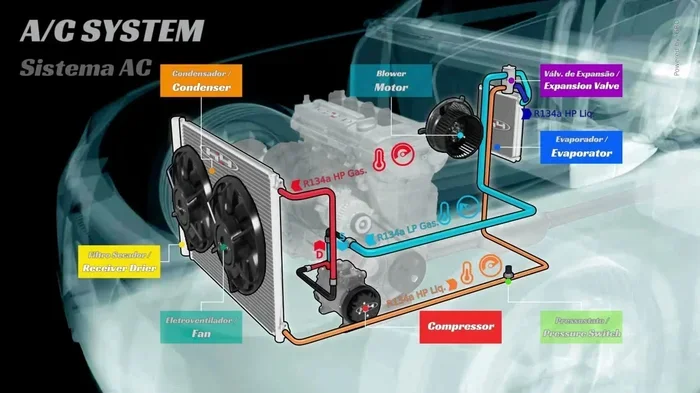
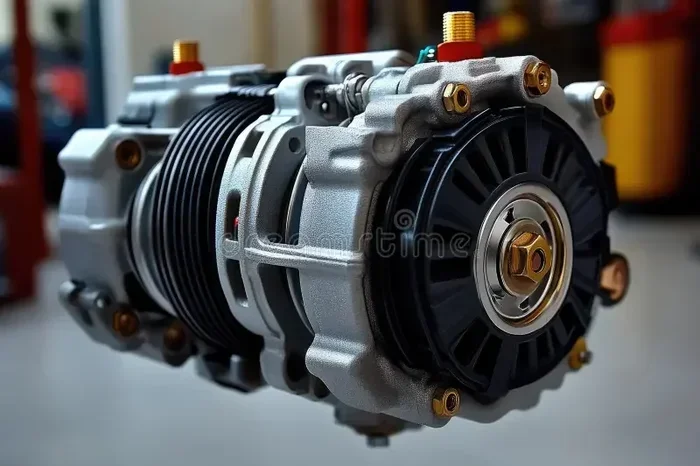
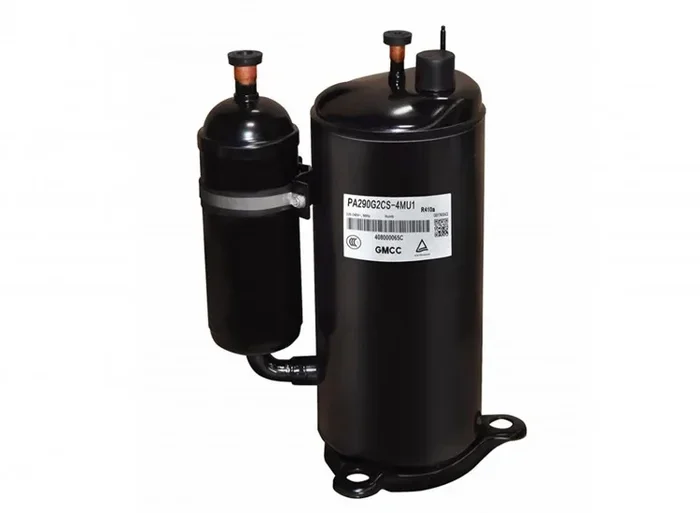
The AC compressor is the engine of your air conditioning system. It pumps refrigerant through the indoor and outdoor units to absorb and release heat. Without a working compressor, your AC unit simply cannot cool your home.
Think of it like the heart in your body. If the heart stops, everything else shuts down. The same is true for your cooling system. The compressor pressurizes the refrigerant gas and sends it through the coils to create cold air.
Most compressors last between 10 and 15 years with proper maintenance. However, wear and tear, electrical issues, or lack of upkeep can shorten that lifespan significantly. Knowing how your compressor works helps you spot problems before they become major breakdowns.
Common Signs Your AC Compressor Is Bad
Your AC unit usually gives you plenty of warning before a compressor fully fails. The key is knowing what to look for. Here are the most common signs that your AC compressor is going bad.
Warm Air Blowing From Vents
This is the most obvious sign. If your AC is running but blowing warm or lukewarm air, the compressor may not be pumping refrigerant properly. A healthy cooling system delivers consistently cold air through every vent in your home.
Sometimes the issue is simply a low refrigerant level. But if the refrigerant is full, warm air usually points to compressor failure. The compressor motor may be burned out or the internal components are worn down.
Unusual Noises From the Outdoor Unit
A well-functioning AC unit runs quietly. If you hear grinding, clicking, rattling, or screaming noises, something is wrong. These sounds often come from the compressor motor struggling to operate.
Grinding noises can mean worn internal bearings. Clicking sounds might indicate a failing compressor relay or loose parts. Any loud or unusual noise from the outdoor unit deserves immediate attention.
Frequent On-and-Off Cycling
Your AC should cycle on and off at regular intervals. If your system short cycles, meaning it turns on and off every few minutes, the AC compressor may be overheating. Short cycling puts extra stress on every component of your HVAC system.
This behavior often happens when the compressor cannot build enough pressure to complete a full cooling cycle. It is a clear sign that internal parts are wearing out and need inspection.
Tripped Circuit Breakers
If your AC breaker keeps tripping, do not just reset it and ignore the problem. A failing compressor draws more electrical current than normal. This excess power draw causes the breaker to trip as a safety measure.
Repeatedly resetting a tripped breaker can be dangerous. It can lead to electrical fires or further damage to your unit. Call a professional if this happens more than once or twice.
Ice Buildup on the Outdoor Unit
Ice forming on your outdoor AC unit is never normal. It usually means the compressor is not circulating refrigerant properly. When refrigerant flow is restricted, the coils get too cold and freeze over.
Ice buildup can also result from low refrigerant levels caused by a leak. Whether the root cause is a compressor issue or a refrigerant leak, you need to address it quickly to prevent further damage.
Higher Energy Bills
A struggling compressor works harder to cool your home. That extra effort translates into higher electricity usage. If you notice a sudden spike in your energy bills without changing your habits, your compressor might be the culprit.
An inefficient AC compressor wastes energy by running longer cycles and never reaching the set temperature on your thermostat. Over time, this adds up to significant extra costs.
What Causes AC Compressor Failure?
Understanding the root causes of compressor failure helps you prevent future problems. Several factors can lead to a bad AC compressor.
Low Refrigerant Levels
When your system has a refrigerant leak, the compressor has to work overtime to compensate. Running on low refrigerant causes the compressor to overheat and eventually fail. This is one of the most common causes of premature compressor death.
Regular maintenance checks can catch refrigerant leaks early. A technician can recharge the system and repair the leak before it damages the compressor.
Dirty Condenser Coils
The outdoor unit’s condenser coils release heat from the refrigerant. When these coils get clogged with dirt, debris, or grime, the system cannot dissipate heat properly. The compressor then overworks itself to maintain cooling.
Cleaning the condenser coils once a year is a simple maintenance task that extends the life of your compressor. You can do it yourself with a garden hose or hire a professional.
Electrical Problems
Faulty wiring, damaged capacitors, or a failing contactor can all prevent the compressor from receiving proper power. Electrical issues can cause the compressor to short out or fail to start at all.
Older units are especially vulnerable to electrical problems. If your system is over 10 years old, have a technician inspect the electrical components during every annual maintenance visit.
Contaminants in the System
Moisture, dirt, acids, and other contaminants can enter the refrigerant lines and damage the compressor from the inside. These impurities cause corrosion and reduce the efficiency of the AC system.
Contamination often happens during improper installation or when the system is not properly sealed. This is another reason why hiring a licensed professional for installation and repairs is so important.
Oil Leaks
The compressor needs proper lubrication to run smoothly. Oil leaks starve the compressor of the lubricant it needs, causing metal parts to grind against each other. Over time, this leads to catastrophic failure.
Checking the compressor oil level during routine maintenance can catch leaks before they cause permanent damage. Ask your HVAC technician to inspect for oil stains around the unit.
How to Diagnose a Bad AC Compressor
If you suspect your compressor is failing, there are several ways to confirm it. Some checks you can do yourself, while others require a professional.
Check the Thermostat Settings
Before jumping to conclusions, make sure your thermostat is set correctly. Set it to cool mode and lower the temperature by 5 degrees. If the unit still does not blow cold air, the problem is likely the compressor.
Listen for the Compressor Running
Go outside and stand near the outdoor unit. When the AC kicks on, you should hear a steady humming sound followed by the fan spinning. If you hear nothing, or just a clicking sound, the compressor may not be engaging.
Use a Multimeter to Test Voltage
A multimeter can tell you if the compressor is receiving power. However, working with electrical components is dangerous if you do not have experience. Always hire a licensed HVAC technician for electrical testing.
Check for Refrigerant Leaks
Look for oily residue or visible frost on the refrigerant lines. These are strong indicators of a leak. Low refrigerant almost always leads to compressor problems if left unaddressed.
Call a Professional HVAC Technician
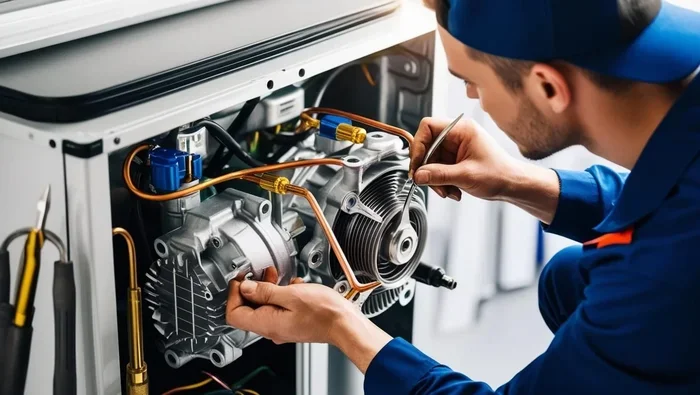
The most reliable way to diagnose a bad compressor is to have a professional inspect it. They have the tools and expertise to test compressor pressure, electrical connections, and refrigerant levels accurately.
AC Compressor Repair vs Replacement
When your compressor fails, you face a tough decision. Do you repair it or replace the entire unit? The answer depends on several factors.
When to Repair the Compressor
If your unit is less than 10 years old and the damage is limited to the compressor, repair might make sense. A compressor replacement cost typically ranges from $1,000 to $2,500 including labor and parts.
Repair is the better choice when the rest of the AC system is in good condition. You also want to consider the warranty status. Some compressors come with a 10-year warranty that covers replacement costs.
When to Replace the Entire Unit
If your unit is older than 12 years and the compressor fails, replacement is often the smarter financial move. Repairing an old unit might only lead to more breakdowns down the road.
A new energy-efficient unit can save you 20 to 40 percent on cooling costs each year. The AC compressor cost for a full system replacement is higher upfront but pays off over time through lower utility bills and fewer repair calls.
Cost Comparison Table
| Option | Average Cost | Lifespan After Repair |
|---|---|---|
| Compressor Repair | $1,000 – $2,500 | 5 – 10 years |
| Full Unit Replacement | $4,000 – $8,000 | 15 – 20 years |
| Compressor Replacement Only | $1,200 – $2,800 | 5 – 12 years |
If you are on a tight budget and the unit is newer, compressor repair is usually the way to go. But if your system is aging, investing in a full replacement gives you better long-term value.
For homeowners wondering about the cost of specific brands, check out how much a Generac generator costs if you are considering a backup power solution for your home during AC repairs. Similarly, if you live in a camper or RV and need cooling on the go, understanding how big a generator you need for your camper can help you stay comfortable off the grid.
Portable generators can also support temporary cooling setups during AC outages. If you are looking for a smaller unit, learn how much a generator for a 2-bedroom setup costs to make an informed purchase decision.
How to Prevent AC Compressor Problems
Prevention is always cheaper than repair. A few simple habits can keep your AC compressor healthy and extend its lifespan significantly.
Schedule Annual Maintenance
Have a professional HVAC technician inspect your system at least once a year, ideally before summer starts. Regular tune-ups catch small problems before they turn into expensive compressor failures.
Keep the Outdoor Unit Clean
Remove leaves, dirt, and debris from around the outdoor unit. Ensure at least 2 feet of clearance on all sides for proper airflow. A clean unit runs more efficiently and stays cooler.
Change Your Air Filters Regularly
Clogged air filters restrict airflow, which forces the compressor to work harder. Replace your filters every 1 to 3 months during heavy use seasons. This simple task makes a big difference.
Monitor Refrigerant Levels
Low refrigerant is one of the fastest ways to damage a compressor. Ask your technician to check refrigerant levels during every maintenance visit. If you notice any hissing sounds or oily spots near the lines, call for service immediately.
Install a Surge Protector
Power surges can fry the compressor’s electrical components. A surge protector for your HVAC system adds an extra layer of protection. This is especially important in areas prone to lightning storms or power fluctuations.
Expert Insights on Compressor Longevity
HVAC professionals agree that most compressor failures are preventable. Regular maintenance, prompt repairs, and proper usage go a long way in keeping your system running smoothly.
One expert tip: never ignore short cycling. Many homeowners think it is normal for the AC to turn on and off frequently. In reality, short cycling is one of the earliest signs of compressor stress. Addressing it early can add years to your compressor’s life.
Another pro insight: do not skip the annual refrigerant check. Even a small leak can cause the compressor to overheat within weeks. Catching and fixing a leak early is far cheaper than replacing the compressor.
If you are dealing with persistent odors or air quality issues alongside compressor problems, an ozone generator can help purify the air in your home after repairs. This is especially useful if mold or bacteria has built up in the ductwork due to moisture from a leaking system.
When to Call a Professional
Some compressor issues are beyond a DIY fix. If you notice any of the following, it is time to call a licensed HVAC technician.
- The compressor makes loud banging or screeching noises.
- Your AC blows warm air even after a refrigerant recharge.
- The unit trips the breaker every time you turn it on.
- You see visible damage or burning smells from the outdoor unit.
- The compressor will not start at all, even after checking the thermostat and breaker.
Trying to fix a compressor yourself can be dangerous. The system contains high voltage electrical components and pressurized refrigerant that require special handling. Always let a trained professional diagnose and repair compressor issues.
For homeowners considering backup power during extended repair periods, a portable generator can keep your home comfortable. Understanding how much a generator costs for a small home setup helps you plan ahead and avoid discomfort during hot weather.
Conclusion
So, is my AC compressor bad? Now you know the signs to watch for and the steps to take. From warm air and strange noises to high energy bills and tripped breakers, your AC unit gives you plenty of clues when the compressor is struggling.
Catching these signs early can save you hundreds of dollars in repair costs. Regular maintenance, clean filters, and prompt attention to warning signals keep your compressor running strong for years.
Do not wait until your AC completely stops working. If you notice any of the symptoms discussed in this guide, contact a professional HVAC technician today. A quick inspection now can prevent a costly compressor replacement later.
Your comfort matters. Take action at the first sign of trouble and keep your home cool all summer long.
Frequently Asked Questions
How do I know if my AC compressor is bad?
The most common signs are warm air from the vents, unusual noises from the outdoor unit, frequent on-and-off cycling, and tripped circuit breakers. If your AC is running but not cooling, the compressor is likely the problem. A professional HVAC technician can confirm the diagnosis with pressure and electrical tests.
Can I run my AC with a bad compressor?
You should not. Running your AC on a failing compressor can cause further damage to other components like the condenser fan and refrigerant lines. It also drives up energy bills significantly. Turn the system off and call a professional as soon as you suspect compressor failure.
How much does it cost to replace an AC compressor?
On average, AC compressor replacement costs between $1,000 and $2,500 including parts and labor. The exact price depends on the brand, model, and local labor rates. If the unit is older than 12 years, a full system replacement might be more cost-effective in the long run.
What causes an AC compressor to fail?
The most common causes are low refrigerant levels, dirty condenser coils, electrical problems, contaminants in the system, and oil leaks. Lack of regular maintenance accelerates all of these issues. Annual HVAC tune-ups can prevent most compressor failures.
How long does an AC compressor last?
A well-maintained AC compressor typically lasts between 10 and 15 years. However, factors like usage patterns, maintenance frequency, and environmental conditions can shorten or extend that lifespan. Regular filter changes and professional inspections are the best ways to maximize compressor longevity.
Is compressor repair covered by warranty?
Many modern AC compressors come with a 10-year parts warranty. However, warranty coverage depends on the manufacturer and whether the unit was installed by a licensed professional. Check your warranty documentation or contact the manufacturer to confirm your coverage details.