What Is the Minimum Size Air Compressor for Painting a Car
The minimum size air compressor for painting a car is typically a 30-gallon tank with at least 14 CFM at 40 PSI. This setup delivers enough airflow for most spray guns used in automotive painting. Choosing the right minimum size air compressor for painting a car saves time, reduces overspray, and ensures a smooth, professional finish every time.
Key Takeaways
- CFM matters most: Most paint guns need 9 to 15 CFM, so your compressor must keep up.
- Tank size affects consistency: A 30-gallon tank provides steady airflow without constant cycling.
- PSI requirements vary: HVLP guns work best at 15 to 30 PSI, while conventional guns need up to 50 PSI.
- Oil-free compressors are beginner-friendly: They require less maintenance and won’t contaminate your paint job.
- Duty cycle is critical: A 50% or higher duty cycle prevents the compressor from overheating during long painting sessions.
- Portability vs. power: Larger compressors deliver better performance but are harder to move around your garage.
- Match the compressor to your spray gun: Always check your gun’s CFM and PSI requirements before buying.
📑 Table of Contents
- Understanding Air Compressor Basics for Car Painting
- CFM and PSI: The Numbers That Matter
- Tank Size vs. Compressor Size for Automotive Painting
- Best Compressor Types for Painting Cars
- How to Size Your Compressor Correctly
- Common Mistakes When Choosing a Compressor for Car Paint
- Maintenance Tips to Keep Your Compressor Running Strong
- Final Thoughts on Choosing the Right Compressor
Understanding Air Compressor Basics for Car Painting
Painting a car is one of the most demanding tasks you can put an air compressor through. Unlike inflating tires or running a nail gun, automotive painting requires a continuous, steady stream of compressed air. If your compressor cannot keep up, you will see uneven coats, orange peel, or wasted paint.
So what exactly is the minimum size air compressor for painting a car? The short answer is a compressor that delivers at least 14 CFM (cubic feet per minute) at 40 PSI with a tank of 30 gallons or more. But the full answer involves several factors that every DIY painter and professional should understand.
Before you shop, you need to know three core measurements: CFM, PSI, and tank size. These three numbers determine whether your compressor can handle the job. Think of CFM as the volume of air, PSI as the pressure pushing that air, and the tank as the reservoir that keeps the flow steady.
Many beginners make the mistake of buying a small compressor and hoping for the best. That leads to frustration, repaints, and wasted money. Taking the time to understand your needs upfront pays off big time. Let us break down each factor so you can make a confident choice.
Why Car Painting Is Different from Other Painting Jobs
Car painting requires a much higher volume of air than most household projects. A furniture spray gun might only need 4 to 6 CFM. An automotive HVLP (High Volume Low Pressure) spray gun, on the other hand, can demand 10 to 15 CFM depending on the nozzle size and paint viscosity.
Cars also have large surface areas. You are not just painting a door panel. You are covering the entire body, which means longer spraying sessions. Your compressor needs to sustain output without overheating or running out of stored air.
Temperature and humidity also play a role. Hot garages dry paint faster but can cause the compressor to work harder. Cold environments reduce compressor efficiency. All of these variables factor into what size machine you actually need.
CFM and PSI: The Numbers That Matter
CFM and PSI are the two most important specs when choosing a minimum size air compressor for painting a car. Let us look at each one closely.
What Is CFM and Why It Matters
CFM stands for cubic feet per minute. It measures how much air your compressor can deliver in one minute. Paint guns have specific CFM requirements printed on their packaging or in the manual.
Here is a quick breakdown of common automotive spray gun CFM needs:
- HVLP guns with 1.3mm nozzle: 9 to 11 CFM
- HVLP guns with 1.5mm nozzle: 11 to 14 CFM
- Conventional spray guns: 14 to 18 CFM
- LVLP (Low Volume Low Pressure) guns: 7 to 10 CFM
If your compressor cannot deliver the required CFM, the paint will not atomize properly. You will get drips, runs, and an uneven finish. Always choose a compressor that exceeds the gun’s CFM requirement by at least 20%. This buffer ensures smooth operation even when the demand spikes.
What Is PSI and How It Affects Your Paint Job
PSI stands for pounds per square inch. It measures the pressure of the air delivered to the spray gun. Different paint guns operate at different pressure levels.
HVLP guns typically work best at 15 to 30 PSI. Conventional guns may need 30 to 50 PSI. LVLP guns operate well at 10 to 25 PSI. Always match your compressor’s PSI output to your gun’s requirements. Too little pressure causes poor atomization. Too much pressure creates excessive overspray and waste.
Most automotive compressors can deliver 100 to 150 PSI max. That is plenty for painting. The key is not the maximum PSI but the sustained PSI at your required CFM. A compressor might hit 150 PSI but only deliver 8 CFM at 30 PSI. That is not enough for car painting.
Tank Size vs. Compressor Size for Automotive Painting
Tank size often gets overlooked, but it matters enormously for car painting. The tank stores compressed air so the compressor does not have to run constantly. A larger tank means more consistent airflow and less cycling.
Small Tanks (6 to 20 Gallons)
Small compressors with 6 to 20-gallon tanks work fine for touch-ups, small body panels, or充气 tasks. However, they struggle with full car painting. The tank empties quickly, forcing the compressor to kick on frequently. This cycling wears out the motor and creates pressure drops that ruin your paint finish.
If you only plan to paint a single door or hood, a 20-gallon tank might suffice. For anything larger, you will want more capacity.
Medium Tanks (30 to 60 Gallons)
A 30-gallon tank is widely considered the sweet spot for car painting. It provides enough stored air to spray several panels without the compressor constantly cycling. Most painters recommend a minimum size air compressor for painting a car with at least a 30-gallon tank.
Upgrading to a 60-gallon tank gives you even more buffer. This is ideal if you plan to do full-body work or if your compressor has a lower CFM output. The extra tank space smooths out the airflow and gives you more continuous spray time.
Large Tanks (80 Gallons and Above)
Large compressors with 80-gallon or bigger tanks are typically found in professional shops. They deliver massive volumes of air and can run multiple tools simultaneously. For most home garages, a tank this large is overkill. But if you plan to paint cars regularly, it is worth considering.
Best Compressor Types for Painting Cars
Not all compressors are created equal. Different types offer different advantages for automotive painting. Let us look at the most common options.
Reciprocating (Piston) Compressors
Reciprocating compressors are the most popular choice for car painting. They use pistons to compress air and come in a wide range of sizes. You can find them with 30-gallon tanks and above, which makes them ideal for automotive work.
These compressors are affordable and widely available. They deliver the CFM and PSI needed for most spray guns. The downside is that they can be noisy and require more maintenance than other types.
Rotary Screw Compressors
Rotary screw compressors are smoother and more reliable than piston models. They deliver continuous airflow without cycling, which is perfect for long painting sessions. However, they are significantly more expensive and larger in size.
Most DIY painters do not need a rotary screw compressor. They are better suited for professional body shops that paint cars daily. If you are a hobbyist, a good reciprocating compressor will serve you well.
Oil-Free vs. Oil-Lubricated Compressors
Oil-free compressors are lighter, quieter, and require less maintenance. They are a great choice for beginners who want to avoid the hassle of oil changes. However, they tend to have shorter lifespans and may not deliver as much CFM as oil-lubricated models.
Oil-lubricated compressors are more durable and deliver higher CFM consistently. The trade-off is that you need to change the oil regularly and they are heavier. For car painting, an oil-lubricated 30-gallon compressor is often the best choice for serious enthusiasts.
One thing to keep in mind: if you use an oil-lubricated compressor, install an air filter and moisture trap between the compressor and the spray gun. Oil vapor can contaminate your paint and cause blemishes. Oil-free models eliminate this concern entirely.
How to Size Your Compressor Correctly
Sizing your compressor correctly is the difference between a smooth finish and a frustrating experience. Follow these steps to find the right machine for your needs.
Step 1: Check Your Spray Gun Requirements
Start by reading the manual for your spray gun. Look for the recommended CFM and PSI. Write these numbers down. If you are using a gravity-feed gun, the requirements are usually lower than a siphon-feed or pressurized-feed gun.
Step 2: Add a Safety Buffer
Never buy a compressor that matches your gun’s CFM exactly. Always add at least 20% to the required CFM. This buffer accounts for pressure losses in the hoses, fittings, and regulator. It also ensures the compressor does not run at maximum capacity constantly, which shortens its lifespan.
Step 3: Consider Your Painting Environment
If you are painting in a garage with poor ventilation, you might need to run the compressor for longer periods. This means you need a higher duty cycle. A compressor with a 50% duty cycle can run for 5 minutes out of every 10. A 100% duty cycle compressor can run continuously without stopping.
For car painting, aim for a compressor with at least a 50% duty cycle. If you plan to do full-body work in one session, consider a model with a higher rating.
Step 4: Factor in Power Source
Most home compressors run on standard 120-volt household outlets. However, larger compressors may require 240-volt power. Check your garage’s electrical setup before purchasing. If you only have 120V, you will be limited to smaller compressors.
Some painters wonder whether they can use a portable generator instead. If you are exploring backup power options, you might want to look into what size generator to run power tools as a reference for matching power output to your compressor’s electrical needs.
Common Mistakes When Choosing a Compressor for Car Paint
Avoid these common pitfalls that can ruin your painting experience and waste your money.
Buying Based on Tank Size Alone
A large tank does not compensate for low CFM. A 60-gallon compressor that only delivers 8 CFM will still struggle to keep up with a paint gun that needs 12 CFM. Always prioritize CFM over tank size when making your decision.
Ignoring Duty Cycle
A compressor with a low duty cycle will overheat if you try to paint for extended periods. This is especially common with small, budget-friendly models. Check the duty cycle rating before you buy, and make sure it matches your planned painting sessions.
Skipping the Moisture Trap
Compressed air contains moisture that can ruin a paint job. Always use a moisture trap or air dryer between the compressor and the spray gun. This is true for both oil-free and oil-lubricated models. A clean, dry air supply leads to a smoother finish.
Underestimating Hose Length
Long hoses reduce air pressure and CFM at the gun. If your hose is too long, you lose performance. Keep your hose as short as practical, and use the widest diameter hose your compressor can support. A 3/8-inch hose is a good standard for automotive painting.
Not Considering Fuel and Operating Costs
Compressors that run on gasoline have different operating costs than electric models. If you are comparing fuel-based options, it helps to understand consumption rates. You can find more information about fuel usage in our guide on how much gas does a generator use, which covers similar fuel-consumption principles that apply to engine-powered compressors as well.
Maintenance Tips to Keep Your Compressor Running Strong
Once you have the right minimum size air compressor for painting a car, proper maintenance keeps it performing at its best. A well-maintained compressor lasts for years and delivers consistent air quality.
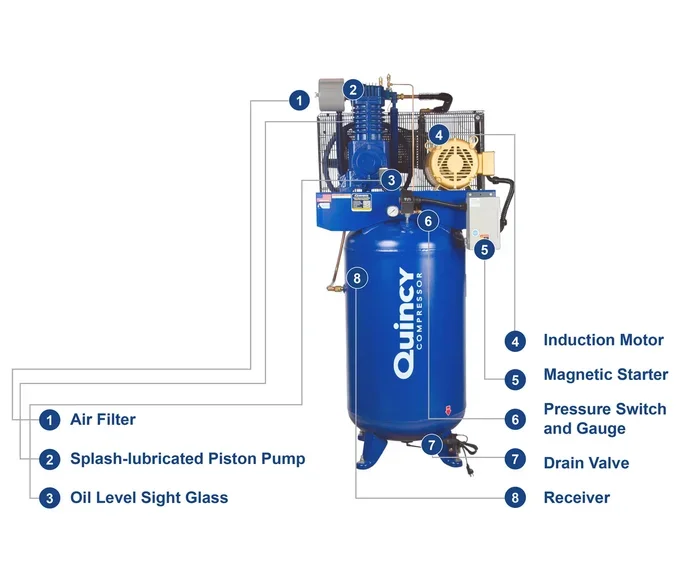
- Drain the tank daily: Moisture builds up inside the tank after every use. Open the drain valve and let the water out before storing the compressor.
- Check the oil level regularly: If you have an oil-lubricated model, check the oil before each use and change it every 500 hours of operation.
- Clean the air filter: A clogged air filter reduces airflow and forces the motor to work harder. Clean or replace it monthly if you paint frequently.
- Inspect hoses and fittings: Look for leaks, cracks, or loose connections. Even a small leak wastes air and reduces your CFM at the gun.
- Store in a dry place: Moisture and humidity damage compressor components over time. Keep your machine in a dry, covered area.
Final Thoughts on Choosing the Right Compressor
Finding the minimum size air compressor for painting a car comes down to matching your spray gun’s CFM and PSI requirements with a compressor that can deliver consistently. A 30-gallon tank with 14 CFM at 40 PSI is the baseline most painters recommend. From there, adjust based on your gun size, painting style, and how often you work on cars.
Do not rush the purchase. Take the time to research your spray gun, measure your available power, and choose a compressor that gives you room to grow. A slightly larger compressor today saves you from upgrading later.
Remember that the compressor is only one part of the equation. Proper paint technique, a clean environment, and good maintenance all contribute to a flawless finish. But with the right machine in your garage, you are already ahead of most beginners.
If you are also thinking about power backup or want to understand runtime for extended sessions, you might find our article on how long can a generator run helpful for planning longer painting marathons when using engine-driven equipment.
Invest in quality, maintain your equipment, and enjoy the satisfaction of a paint job you are proud of. The right compressor makes all the difference.
Frequently Asked Questions
Can I paint a car with a 20-gallon air compressor?
A 20-gallon compressor can handle small panels like a single door or hood, but it will struggle with full-body painting. The tank empties too quickly and the compressor cycles too often, causing pressure drops. For best results on a full car, go with a 30-gallon tank or larger.
What CFM do I need for HVLP spray painting a car?
Most HVLP spray guns require between 9 and 15 CFM depending on the nozzle size. A 1.3mm nozzle needs about 9 to 11 CFM, while a 1.5mm nozzle needs 11 to 14 CFM. Always choose a compressor that delivers at least 20% more CFM than your gun requires for consistent performance.
Is an oil-free compressor good enough for car painting?
Yes, oil-free compressors work well for car painting, especially for beginners. They are low maintenance and won’t contaminate your paint with oil vapor. However, they may not deliver as much sustained CFM as oil-lubricated models. For occasional painting, an oil-free 30-gallon compressor is a solid choice.
How long does it take to fill a 30-gallon compressor tank?
Fill time depends on your compressor’s horsepower and motor speed. A typical 3-horsepower compressor fills a 30-gallon tank from empty to full in about 2 to 3 minutes. Once the tank is full, you have enough stored air to spray several car panels before the compressor needs to kick back on.
Do I need a 240-volt outlet for a car painting compressor?
Not necessarily. Many 30-gallon compressors run on standard 120-volt household outlets. However, larger compressors with higher CFM outputs may require 240-volt power. Check the compressor’s electrical requirements before purchasing and make sure your garage has the right outlet available.
What is the difference between a pancake and a hot dog compressor for car painting?
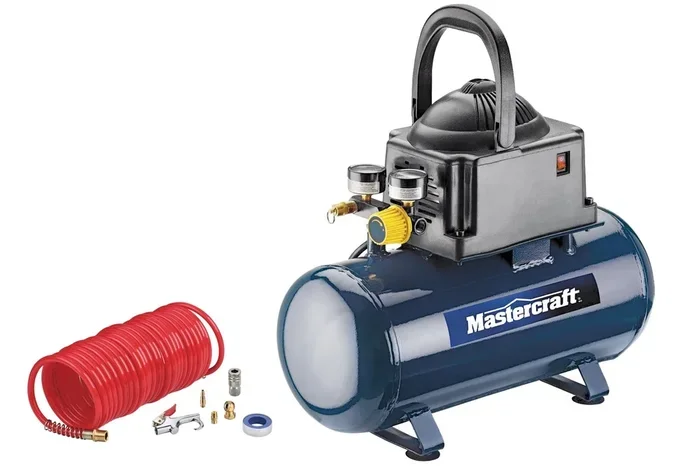
A pancake compressor has a flat, round tank and is typically small and portable. A hot dog compressor has a vertical cylindrical tank. Both designs usually have smaller tanks (6 to 20 gallons) and lower CFM outputs. For car painting, neither is ideal. You will want a larger horizontal tank compressor with at least 30 gallons and 14 CFM or more for reliable results.