How to Choose the Best APA 7th Edition Citation Generator
Choosing the right APA 7th edition citation generator can save you hours of tedious formatting work. The best tools handle in-text citations, reference lists, and even complex sources like journals and websites with ease. This guide walks you through the features, pitfalls, and top picks so you can make a confident choice.
This is a comprehensive guide about apa 7th edition citation generator.
Key Takeaways
- Accuracy matters most: A reliable APA 7th edition citation generator must follow the latest manual rules precisely.
- Free tools have limits: Paid options often offer better source support and error checking.
- Ease of use saves time: Look for intuitive interfaces and fast output.
- Check for updates: APA guidelines change, so your tool must stay current.
- Integration is key: The best generators plug directly into Word or Google Docs.
- Avoid common mistakes: Always double-check auto-generated citations before submitting.
[FEATURED_IMAGE_PLACEHOLDER]
Writing a research paper or a thesis can feel overwhelming. You have to gather sources, take notes, build an argument, and then format everything correctly. One of the most frustrating parts of academic writing is getting your citations right. The APA 7th edition citation generator exists to take that pain away. But with so many options out there, how do you know which one is worth your time?
This guide breaks down everything you need to consider when choosing a citation tool. We cover key features, common mistakes, and practical tips to help you find the best fit. Whether you are a student, a researcher, or a professional writer, the right citation generator can make your life much easier.
Think of a citation tool like a generator for your academic work. Just as a power generator converts fuel into electricity, a citation generator converts your source details into properly formatted references. The quality of the output depends entirely on the tool you choose. Let us walk you through what to look for.
What Is an APA 7th Edition Citation Generator?
An APA 7th edition citation generator is a software tool that automatically creates citations in the American Psychological Association format. This format is widely used in social sciences, education, and psychology. The 7th edition brought several updates, including new rules for websites, social media, and inclusive language.
These tools typically do two things. First, they create in-text citations. Second, they build a full reference list at the end of your paper. A good reference maker handles both tasks quickly and accurately.
How Does It Work?
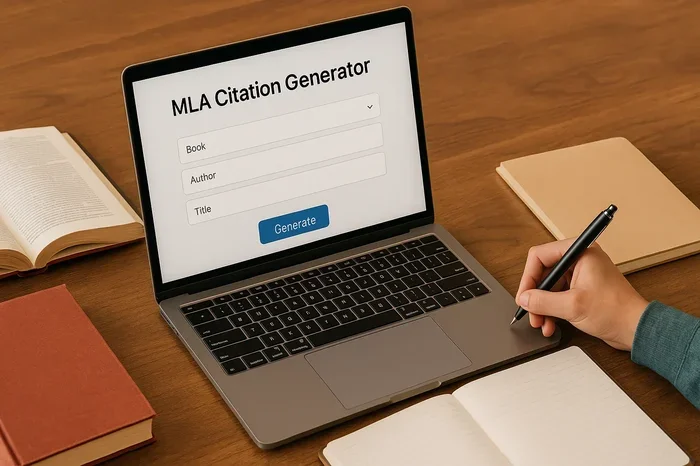
Most generators work the same way. You enter details about your source. This might include the author name, publication year, title, and URL. The tool then formats everything according to APA 7th edition rules. Some advanced tools let you import data directly from databases like PubMed or Google Scholar.
The process is simple. You fill in the blanks. The tool does the rest. This saves you from flipping through the APA manual every time you add a new source.
Why APA 7th Edition Matters
The 7th edition of the APA style guide introduced important changes. For example, it updated the way websites and online articles are cited. It also simplified the format for sources with multiple authors. Using an outdated citation style can cost you points on assignments or make your research look unprofessional.
Make sure your tool follows the 7th edition rules. Some older generators still use the 6th edition format. That can lead to errors and frustration. Always check that your APA format tool is up to date.
Key Features to Look For
Not all citation tools are created equal. Some are basic. Others are packed with powerful features. Here is what you should look for in a quality citation generator.
Accuracy and Reliability
This is the most important feature. Your tool must follow APA 7th edition rules exactly. Look for generators that are regularly updated to match the latest guidelines. A reliable citation machine will handle tricky sources like legal documents, interviews, and podcasts correctly.
Check user reviews before you commit. Other students and researchers can tell you a lot about a tool’s accuracy. If many users report errors, move on to another option.
Supported Source Types
A good generator should support many types of sources. Here are the most common ones you will need:
- Books and e-books
- Journal articles
- Websites and web pages
- Conference papers
- Theses and dissertations
- Social media posts
- Videos and podcasts
- Government reports
The more source types a tool supports, the more versatile it is. Some reference generators also handle non-traditional sources like emails, interviews, and TikTok videos. This is especially helpful for modern research.
Ease of Use
You do not want to spend more time figuring out the tool than writing your paper. Look for a clean and simple interface. The best formatting tools let you generate citations in just a few clicks. They also offer clear instructions and helpful tutorials.
If a tool feels clunky or confusing, it will slow you down. Trust your instincts. If something feels hard to use, there is probably a better option out there.
Top Things to Consider When Choosing
Choosing the right tool comes down to a few key factors. Let us walk through them.
Free vs Paid Tools
Many citation generators offer a free version. These can be great for basic needs. However, free tools often limit the number of citations you can create. They may also lack advanced features like plagiarism checking or cloud saving.
Paid tools usually offer more value. They support more source types, provide better accuracy, and often include additional writing tools. Think of it this way. A paid tool is like a generator that runs longer and more efficiently. You get more output for your investment.
Here is a quick comparison to help you decide:
- Free tools: Good for occasional use. Limited features. May have ads.
- Paid tools: Better accuracy. More source types. Often include extra writing features.
- Subscription models: Monthly or yearly plans. Look for money-back guarantees.
- One-time purchases: Pay once and use forever. Rare but valuable.
Integration with Writing Platforms
The best APA citation generator tools integrate directly with your writing platform. This means you can insert citations while you write, without switching between apps. Look for tools that work with Microsoft Word, Google Docs, or popular learning management systems like Canvas and Blackboard.
Integration saves a ton of time. Instead of copying and pasting citations manually, you can add them with a single click. It also reduces the chance of formatting errors.
Browser Extensions and Mobile Apps
Some tools offer browser extensions that let you grab citation data directly from web pages. This is incredibly handy when you are researching online. You simply click the extension, and it pulls the source details for you.
Mobile apps are another bonus. They let you create citations on the go. Whether you are in the library or on the bus, you can keep your reference list growing.
Common Mistakes to Avoid
Even the best tools can lead to errors if you are not careful. Here are common mistakes to watch out for.
Blindly Trusting Auto-Generated Citations
No tool is perfect. Auto-generated citations can still have errors. Always review each citation before adding it to your paper. Check for missing punctuation, incorrect capitalization, and wrong author name formatting.
Think of your citation generator as a helper, not a replacement for your own attention. A quick review can save you from embarrassing mistakes.
Using Outdated Style Rules
APA updates its guidelines from time to time. The 7th edition is the current standard. Some older tools still follow the 6th edition rules. This can lead to formatting inconsistencies. Always confirm that your tool is updated to the latest edition.
Ignoring Plagiarism Risks
A citation generator helps you format references correctly. But it does not check whether you have properly paraphrased or quoted your sources. Always make sure your writing is original and properly attributed. Consider using a tool that also includes a plagiarism checker.
Tips for Getting the Most Out of Your Citation Tool
Once you choose your tool, here are some tips to get the best results.
Start Early
Do not wait until the night before your deadline to start building your reference list. Add sources as you research. This keeps your list organized and saves you a huge headache later.
Keep a Source List
Maintain a running list of all the sources you plan to use. Include key details like author names, publication dates, and URLs. This makes it easy to feed information into your APA 7th edition citation generator without scrambling to find details later.
Export and Backup
Always export your reference list regularly. Use cloud storage or email it to yourself. This protects your work if the tool crashes or if you lose your session. Think of it like a generator that needs fuel to keep running. Your work needs backups to keep going.
Learn the Basics Yourself
Even with the best tool, it helps to understand the basics of APA style. Knowing how to format a journal citation versus a book citation makes you better at spotting errors. It also helps you in situations where the tool does not have a matching source type.
Conclusion
Finding the right APA 7th edition citation generator does not have to be stressful. Focus on accuracy, ease of use, and the features that matter most to your workflow. Whether you choose a free tool or invest in a paid one, the goal is the same. To make your academic writing faster, cleaner, and more professional.
Take the time to compare your options. Read reviews. Try out a few tools before committing. The right citation generator will feel like a well-wired generator powering your research. It keeps everything running smoothly so you can focus on what really matters. Your ideas and your writing.
Start today. Pick a tool that fits your needs. Build your reference list with confidence. And remember that the best tool is one that works for you, keeps up with the latest APA guidelines, and makes the citation process as painless as possible.
Frequently Asked Questions
What is an APA 7th edition citation generator?
It is a software tool that automatically creates citations in the American Psychological Association 7th edition format. It handles in-text citations and reference lists for all kinds of sources.
Are free citation generators accurate?
Many free generators are accurate for basic sources. However, they may struggle with complex or unusual source types. Always double-check the output against the official APA guidelines.
Can I use a citation generator for my thesis?
Yes. Most universities accept citations created by automated tools. Just make sure the tool follows APA 7th edition rules. Review each citation carefully before submitting your thesis.
How do I know if a citation generator is up to date?
Check the tool’s website or FAQ section. Look for mentions of APA 7th edition. Read user reviews to see if others have noticed outdated formatting. Reliable tools update their databases regularly.
Do citation generators work with Google Docs?
Many modern tools offer Google Docs integration. This lets you insert citations directly into your document as you write. Check the tool’s features list to confirm compatibility.
What should I do if a citation looks wrong?
Compare it to the official APA 7th edition manual or the APA Style website. Fix any errors manually. Also report the issue to the tool’s support team so they can improve their database.