Best Generator for Camping Your Ultimate Power Guide
Finding the best generator for camping means balancing power output, portability, noise level, and fuel type. Whether you run a small portable generator or a solar outdoor power station, this guide covers everything you need to choose reliable camping electricity for your next trip.
Key Takeaways
- Match your wattage needs: Calculate the total wattage of your camping appliances to avoid overloading your generator.
- Prioritize low noise levels: A quiet generator for camping keeps the peace and avoids disturbing fellow campers.
- Consider fuel type carefully: Gasoline, propane, and solar each offer different benefits depending on your trip length and setup.
- Portability matters: Lighter inverter generators are easier to transport and better suited for car camping or backpacking.
- Runtime is critical: Knowing how long your generator runs on a single tank helps you plan your power usage effectively.
- Clean power protects devices: An inverter or sine wave generator delivers safe electricity for sensitive electronics like laptops and phones.
📑 Table of Contents
- Best Generator for Camping Your Ultimate Power Guide
- Why You Need a Generator for Camping
- How to Choose the Best Generator for Camping
- Top Types of Generators for Camping
- Common Mistakes When Choosing a Camping Generator
- Quick Tips for Maximizing Your Camping Generator
- Expert Insights on Camping Power Solutions
- Conclusion
Best Generator for Camping Your Ultimate Power Guide
There is nothing worse than arriving at a beautiful campsite only to realize you have no power. Your phone is dying, your mini fridge won’t run, and the lights go dark the moment the sun sets. That is exactly why choosing the best generator for camping is so important. A good portable power source keeps your devices charged, your food fresh, and your trip comfortable.
But not all generators are created equal. Some run quietly enough for overnight use. Others pack enough wattage requirements to power large camping appliances. And fuel type plays a huge role in convenience, cost, and environmental impact. This guide walks you through every factor you need to consider before spending a dime.
We will break down portable generators, inverter models, solar options, and everything in between. By the end, you will know exactly which unit fits your camping style, budget, and power needs. Let us get into it.
Why You Need a Generator for Camping
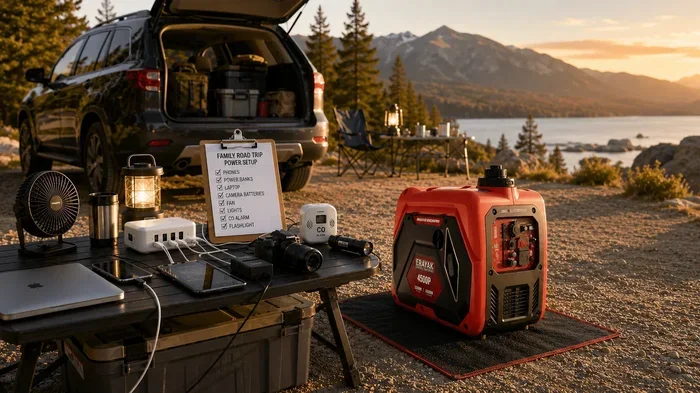
Modern camping looks a lot different than it did a decade ago. Today, campers rely on camping electricity for much more than just a phone charger. From CPAP machines to mini fridges, the demand for reliable outdoor power station solutions is higher than ever.
Common Uses for Camping Generators
Here are some typical reasons campers bring a generator along:
- Charging phones, tablets, and laptops
- Running mini fridges and coolers
- Powering CPAP or oxygen machines
- Running fans or small heaters
- Lighting up tents and campsites
- Powering cooking equipment like electric stoves
- Running cameras, drones, and other gear
If any of these sound familiar, a portable generator is probably a smart investment. Even if you are a casual weekend camper, having backup emergency power can make the difference between a great trip and a frustrating one.
When You Might Not Need One
That said, not every camper needs a generator. If you hike to remote sites and travel ultralight, a battery-powered generator or rechargeable power source might be enough. Solar panels paired with a power station can also handle light needs without the weight of fuel.
How to Choose the Best Generator for Camping
Picking the right unit comes down to a few key factors. Let us walk through each one so you can make an informed decision.
Wattage and Power Output
Wattage is the most important specification to understand. Every appliance you want to run draws a certain number of watts. Your generator needs to handle the total load without tripping or struggling.
There are two types of wattage to watch for:
- Starting watts: The extra power needed to kick on a motor or compressor. These surge numbers are higher than normal running levels.
- Running watts: The steady power needed to keep a device running after startup.
For example, a mini fridge might need 400 running watts but 1,200 starting watts. If you add a CPAP machine at 300 watts and a phone charger at 10 watts, your total load climbs fast.
Here is a quick comparison of common camping devices and their approximate wattage:
| Device | Running Watts | Starting Watts |
|---|---|---|
| Phone Charger | 5-15W | N/A |
| CPAP Machine | 30-60W | None |
| Mini Fridge | 300-400W | 800-1200W |
| Portable Fan | 20-50W | N/A |
| Electric Stove (Small) | 500-1200W | 1500-2000W |
| Laptop | 30-100W | N/A |
As a rule of thumb, add up your total running watts and then factor in a 20% buffer for safety. If you need a larger setup, you can also look into a generator for electricity that handles heavy-duty loads with ease.
Noise Level
Nobody wants to be the camper blasting noise across the site. Noise level is a critical factor, especially if you camp in organized campgrounds or shared areas.
Most traditional generators run between 70 and 90 decibels. That is about as loud as a vacuum cleaner. Not ideal at 2 a.m.
In contrast, quiet generator for camping models can operate at 50 to 65 decibels. Some ultra-quiet units drop below 50 dB, which is roughly the level of a quiet conversation.
Quick tip: Look for inverter models. These are specifically designed to run quietly while still delivering clean power. A sine wave generator also provides smoother electricity that is safer for sensitive electronics.
Portability and Weight
How often do you hike to your campsite? If you carry everything on your back, every ounce matters. A heavy fuel-powered unit might not be practical.
Here is a rough breakdown by type:
- Compact inverter generators: 20 to 50 pounds. Easy to carry in one hand.
- Mid-size portable generators: 50 to 100 pounds. Best for car camping with a vehicle nearby.
- Solar power stations: 10 to 40 pounds. Lightweight but limited by stored energy.
- Large standby-style units: 100+ pounds. Rarely used for camping, but great for base camps.
Consider a handle, a built-in wheel system, or a compact form factor. The easier it is to move, the more likely you will actually bring it along.
Fuel Type and Runtime
Fuel type affects everything from cost to convenience. Let us compare the three most common options.
Gasoline
Gasoline is the most widely available fuel. Most portable generators run on standard gas, and refueling is easy at any gas station. However, gasoline has a shelf life of about 6 to 12 months when stored properly. It also tends to be louder and less fuel-efficient than other options.
Propane
Propane burns cleaner and lasts indefinitely when stored. Many dual-fuel generators let you switch between gasoline and propane. The trade-off is lower energy density, meaning you burn through tanks faster. You may want to check how much natural gas does a generator use to better understand fuel consumption rates for different models.
Solar
Solar rechargeable power source options produce zero emissions and run silently. They are perfect for environmentally conscious campers. However, they depend on sunlight, so cloudy days or overnight use can be tricky without extra battery capacity.
Understanding generator runtime is also essential. A typical gasoline generator runs 8 to 12 hours on a full tank at 25% load. Some models extend to 15 or 20 hours with eco-mode. If you want long-lasting performance, check out our guide on how long does a generator battery last for detailed insights on battery-powered options.
Top Types of Generators for Camping
Not all generators fit every camping style. Here is a breakdown of the most popular categories and who they are best for.
Inverter Generators
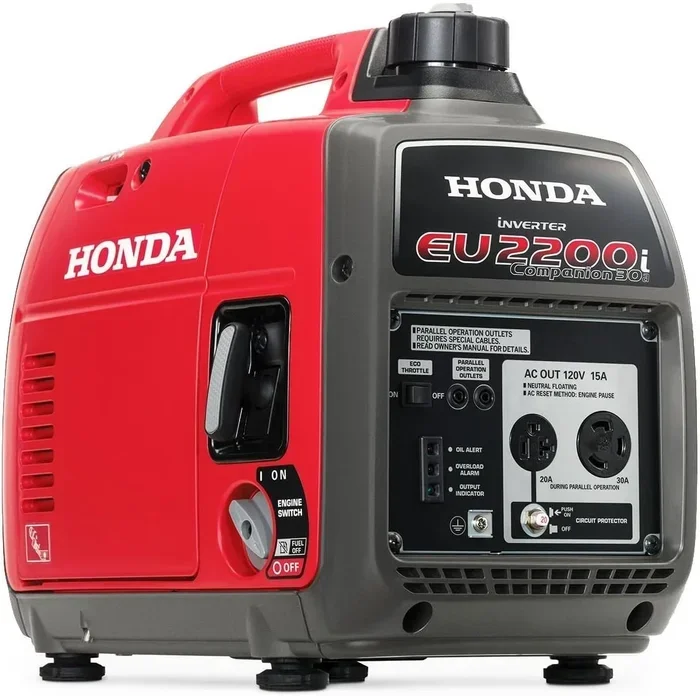
Inverter generators are the gold standard for campers. They adjust engine speed based on the load, which saves fuel and reduces noise. They also produce clean, stable electricity that is safe for laptops, phones, and other sensitive devices.
Key benefits include:
- Quiet operation (often under 60 dB)
- Fuel-efficient eco-mode
- Lightweight and compact designs
- Parallel capability for extra power when needed
The parallel capability feature is worth mentioning. Some inverter generators can link together for double the output. This gives you flexibility. Start with one unit for light camping and add a second for heavier loads.
Solar Generators and Power Stations
Solar generator systems use panels to capture energy and store it in a battery bank. They are ideal for car camping or base camps where you can set up panels in a sunny spot.
Pros include zero fuel costs, silent operation, and low maintenance. The downside is limited power capacity and longer recharge times. A 1,000Wh power station might run a mini fridge for 8 to 10 hours but take 6 to 8 hours to recharge via solar panels.
Traditional Portable Generators
These are workhorses. They deliver high wattage at lower prices. If you need to run heavy tools, large appliances, or multiple devices simultaneously, a traditional portable unit gets the job done.
The downsides are noise, weight, and fuel consumption. They are best suited for drive-in campgrounds where noise is less of a concern. Still, they offer excellent value for the power you get.
Dual-Fuel Generators
Dual-fuel models run on both gasoline and propane. This versatility is a big plus for campers who want backup fuel options. If you run out of gas, you can switch to a propane tank. Many campers find this setup gives them the best of both worlds.
Common Mistakes When Choosing a Camping Generator
Even experienced campers make mistakes when picking a generator. Here are a few pitfalls to avoid.
Underestimating Wattage Needs
Many people buy a generator based on price alone and regret it when they cannot power everything they need. Always calculate your total load before purchasing. Remember to account for starting watts on motor-driven appliances like fridges and pumps.
Ignoring Noise Complaints
Even if you do not care about noise, your neighbors might. Campgrounds often have quiet hours, and being a good neighbor goes a long way. Choose a quiet generator for camping with a decibel rating under 65 whenever possible.
Overlooking Weight and Size
A generator that is too heavy for your setup is useless. If you walk to your campsite, every pound counts. If you drive, weight is less of an issue, but portability still matters for moving the unit around your site.
Forgetting About Maintenance
Generators need regular care. Change the oil, replace air filters, and run the unit periodically to keep it in working order. A neglected generator may fail when you need it most. Store fuel properly and use fuel stabilizer during off-seasons.
Quick Tips for Maximizing Your Camping Generator
Once you have your unit, a few smart habits help you get the most out of it.
- Turn off eco-mode when needed: Eco-mode saves fuel but can limit power. Disable it when running high-draw appliances.
- Use parallel pairing wisely: Two small inverter generators linked together beat one large traditional unit for versatility.
- Position the generator downwind: This helps redirect exhaust and noise away from your tent.
- Keep fuel stored safely: Use approved containers and never refuel while the engine is running.
- Invest in a power management system: These help you distribute electricity efficiently across multiple devices.
- Monitor your load: Unplug devices when not in use to extend runtime and reduce strain on the unit.
Expert Insights on Camping Power Solutions
We asked a few seasoned campers and electricians what they recommend when it comes to camping electricity solutions. Here is what they had to say.
Start with a battery station, then add a small inverter generator. This expert tip is a game-changer. A battery station handles overnight needs quietly. The inverter generator covers daytime recharging and heavy loads. Together, they cover almost any scenario.
Another expert pointed out that fuel efficiency matters more than raw power. A unit that runs 15 hours on a single tank is more practical than one that outputs massive watts but only lasts 4 hours. Runtime directly impacts how much fuel you carry and how often you need to refuel.
Finally, always test your setup at home before heading out. Run everything you plan to use at the campsite. This reveals hidden issues like tripped breakers, insufficient wattage, or overloaded circuits before you are stuck in the middle of nowhere.
Conclusion
Choosing the best generator for camping comes down to understanding your power needs, camping style, and budget. Whether you go with a compact inverter, a solar power station, or a dual-fuel portable unit, the right choice makes every trip more comfortable and stress-free.
Take time to calculate your wattage requirements, compare noise level ratings, and evaluate fuel type options before buying. Do not fall for flashy marketing alone. Focus on runtime, portability, and the specific devices you plan to power.
With the right generator in your kit, you can enjoy modern convenience without giving up the outdoor experience. Happy camping, and may your power always hold out.
Frequently Asked Questions
What size generator do I need for camping?
For most campers, a 1,000 to 2,000-watt inverter generator handles phones, laptops, mini fridges, and fans easily. If you plan to run larger appliances like electric stoves or heaters, aim for 3,000 watts or more. Always calculate your total running and starting watts before choosing a model.
Are solar generators good for camping?
Solar generators are excellent for car camping and base camps where you can set up panels in direct sunlight. They run silently, produce zero emissions, and require very little maintenance. However, they have limited capacity and depend on weather conditions, so they may not suit extended trips without extra battery packs.
How loud is a quiet generator for camping?
Most camping-rated inverter generators operate between 50 and 65 decibels. That is roughly as loud as a normal conversation or a background television. Some premium models drop below 50 dB, making them barely noticeable at a campsite, especially at night during quiet hours.
Can I run a generator at a campground?
Most campgrounds allow generators but have rules about noise levels and operating hours. Typically, generators are not allowed during quiet hours, usually between 10 p.m. and 6 a.m. Always check the specific campground rules before you arrive to avoid fines or complaints from other campers.
How long does a camping generator run on one tank of gas?
A typical portable camping generator runs between 8 and 12 hours at 25% load on a full tank. Models with eco-mode or fuel-efficient engines can extend to 15 or even 20 hours. Runtime depends on the load you are drawing, so unplugging unused devices helps maximize each tank.
Is an inverter generator better than a regular generator for camping?
Yes, for most camping situations, an inverter generator is the better choice. It runs quieter, uses less fuel, and produces clean power that is safe for sensitive electronics like laptops and phones. Regular generators are better suited for heavy-duty construction or job site use where noise is less of a concern.