Best Solar Generator for RV to Fuel Your Wild Adventures
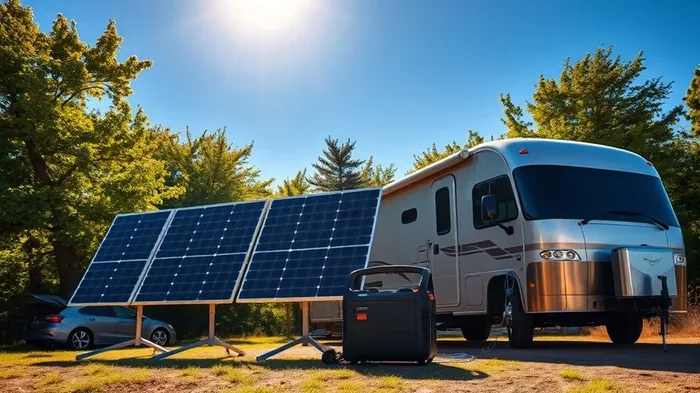
A best solar generator for RV transforms how you camp by giving you free, quiet, renewable power anywhere. The right solar generator for RV setup keeps your fridge running, charges your devices, and powers lights without hookups. We break down top models, sizing advice, and real-world tips so you can pick the perfect portable solar generator for your rig and adventures.
There is something magical about hitting the open road in an RV. You leave the noise behind. You breathe fresh air. And you wake up to mountains, lakes, or forests instead of traffic. But here is the thing. Without a solid power source, the adventure can fizzle fast. Your fridge stops cold. Your phone dies. Your lights go dark. That is exactly where a best solar generator for RV setup changes everything.
More campers are making the switch to solar power for RV every year. The reasons are simple. It is quiet. It is free after the upfront cost. And it gives you the freedom to camp almost anywhere. Whether you are boondocking in the desert or parked by a lake for the weekend, having a reliable RV solar panel system means you never have to choose between comfort and adventure.
In this guide, we will walk through everything you need to know. From understanding solar generator wattage to picking the right model for your rig, we have you covered. By the end, you will know exactly what to look for and which options stand out. Let us get into it.
Key Takeaways
- Right-sizing matters: Match your solar generator wattage to your RV’s actual power needs to avoid running out of juice.
- Battery capacity is king: Higher battery capacity solar means longer runtime for off-grid camping trips.
- Portability and power go hand in hand: The best portable power for camping units are lightweight but still deliver strong output.
- Solar panel efficiency counts: High-efficiency panels charge your solar generator for RV faster, even on cloudy days.
- Clean energy camping is the future: Switching to renewable energy for RV saves money and reduces your environmental footprint.
- Multiple charging options add flexibility: Look for units that support solar, wall outlet, and car charging.
📑 Table of Contents
- Why Every RVer Should Consider a Solar Generator
- How to Size a Solar Generator for Your RV
- Top Solar Generators for RVs in 2024
- What to Look for When Buying a Solar Generator
- Common Mistakes to Avoid When Setting Up Solar Power for Your RV
- Expert Tips for Maximizing Your Solar Generator’s Performance
- Final Thoughts: Finding Your Perfect Solar Generator for the Open Road
Why Every RVer Should Consider a Solar Generator
Solar generators are not just a trendy gadget. They solve a real problem that every RVer faces at some point. You want to stay off-grid longer. But your battery bank is draining. Traditional generators are loud, smelly, and annoying to neighbors. A portable solar generator eliminates all of that.
The beauty of clean energy camping is that you set up once and forget. The sun charges your panels. The panels feed your battery. And your battery powers your RV. It is a simple loop that works beautifully when sized correctly. Many campers report that after switching to RV off-grid living with solar, they never want to go back to gas generators.
Silent Power Anywhere
One of the biggest wins with a solar power station is the silence. You can camp in the mountains, in national parks, or on private land without disturbing anyone. Traditional generators rumble and shake. A solar setup runs so quietly you barely know it is working. This alone makes it worth considering for anyone who values peace and quiet while camping.
Save Money on Fuel and Hookups
Campground hookups cost money. Gas for a traditional generator costs money. A solar generator for RV costs money upfront, yes. But the payback is fast. After a few trips, the free energy from the sun covers your costs and then some. Over time, you save hundreds of dollars. That is money you can spend on better camping gear, food, or your next adventure.
Environmentally Friendly Camping
Let us be honest. We all love nature. But burning gas creates fumes and noise that do not belong in the wilderness. Green energy camping with solar means you leave zero emissions behind. You tread lightly. You enjoy the outdoors without harming it. That is a feeling that is hard to put a price on.
How to Size a Solar Generator for Your RV
Picking the right size is the most important decision you will make. Too small and you run out of power by dinner. Too big and you carry weight you do not need. Here is how to figure out your solar generator wattage needs without overcomplicating things.
Step 1: Calculate Your Daily Power Usage
Start by listing everything you plan to run in a typical day. Your refrigerator might use 60 to 80 watts and runs about 8 hours a day. That is roughly 480 to 640 watt-hours. LED lights use very little, maybe 10 to 20 watts total. A laptop charger pulls about 65 watts. A phone charger is around 15 watts. A microwave can spike to 1000 watts but you probably only use it for a few minutes.
Add it all up. Most RVers find they need between 1000 and 3000 watt-hours per day. That number tells you what battery capacity solar you need. Always aim a little higher than your estimate. You will thank yourself on cloudy days when panels charge slower.
Step 2: Match the Generator to Your Needs
Once you know your daily usage, look for a solar generator for RV that exceeds that number by at least 20 percent. If you use 1500 watt-hours a day, a unit with at least 1800 watt-hours of battery capacity gives you a comfortable buffer. This also accounts for solar generator runtime on days when you get less sun than expected.
Step 3: Check Your Roof Space for Panels
The panels you use matter just as much as the generator. More panel surface area means faster charging. If your RV has limited roof space, prioritize high-efficiency panels. These convert more sunlight into electricity even when the sky is partly cloudy. A good RV solar setup balances panel output with generator capacity so you are never left waiting too long for a recharge.
Top Solar Generators for RVs in 2024
The market has exploded with options in the last few years. Some units are built for tiny teardrop trailers. Others can handle a full-size fifth wheel. Here are the categories and standout options to consider.
Compact Units for Small RVs and Teardrops
If you have a small rig or travel solo, a compact portable solar generator is all you need. Look for units in the 500 to 1000 watt-hour range. These are lightweight, easy to move, and perfect for charging phones, running a small fridge, and powering LED lights. The Sun Joe Generator line offers some excellent compact options that are popular among small-RV owners and van lifers.
Mid-Size Systems for Family RVs
For a standard travel trailer or Class C motorhome, a mid-size unit in the 1500 to 3000 watt-hour range hits the sweet spot. These can handle a refrigerator, microwave, AC unit (for short periods), and all your electronics. They are still portable enough to move around but powerful enough to keep a family comfortable for several days off-grid.
Large-Scale Systems for Big Rigs and Full-Time Living
If you live full-time in your RV or have a large Class A motorhome, you need serious power for camping. Look at systems above 3000 watt-hours with multiple charging inputs. These units can run your air conditioning, microwave, washer, and everything else. They often pair with larger RV solar panel systems and can be expanded as your needs grow.
What to Look for When Buying a Solar Generator
Not all solar generators are created equal. Some are built for quick weekend trips. Others are engineered for long-term reliability. Here are the key features that separate the good from the great.
Battery Type and Lifespan
Most quality solar generators for RVs use lithium iron phosphate (LiFePO4) batteries. These last longer than standard lithium-ion batteries. They handle heat better and maintain performance over thousands of charge cycles. When comparing units, check the battery chemistry. LiFePO4 is the gold standard for off-grid camping power because of its durability and safety.
Multiple Charging Options
The best units let you charge in more than one way. Solar panels are the primary source, but having the option to charge from a wall outlet or your vehicle’s alternator adds huge flexibility. This is especially helpful when you are parked at a campground and need a quick top-up before hitting the road again. A versatile RV electrical system that supports multiple inputs gives you peace of mind.
Output Ports and Versatility
Check what devices you need to plug in. AC outlets handle larger appliances. USB ports charge phones and tablets. USB-C ports are great for newer laptops and cameras. Some generators even have 12V car outlets. The more diverse your output options, the more you can run without adapters or extra gear.
Weight and Portability
You will be moving this unit around, so weight matters. A powerful unit that weighs 80 pounds is not ideal if you need to carry it from your truck to your campsite. Look for a balance between battery capacity solar and portability. Wheels and handles make a big difference too.
Common Mistakes to Avoid When Setting Up Solar Power for Your RV
Even the best solar generator for RV setup can fall short if you make avoidable mistakes. Here is what to watch out for.
Underestimating Your Power Needs
This is the number one mistake new RV off-grid living enthusiasts make. They buy a generator based on what they think they need, not what they actually use. The result is a dead battery by midday. Always track your usage for a few days before buying. Be honest about what you run and how often.
Ignoring Panel Efficiency
A great generator with poor panels is like a sports car with a weak engine. You need both to work together. High-efficiency panels charge faster and produce more power per square foot. If your roof space is limited, invest in the best panels you can afford. This directly impacts your solar generator runtime and overall satisfaction.
Skipping the Maintenance
Solar systems are low-maintenance, but they are not zero-maintenance. Keep your panels clean. Check connections for corrosion. Monitor battery health regularly. A little care goes a long way in making sure your portable solar generator lasts for years and thousands of camping trips.
Not Planning for Bad Weather
Clouds happen. Rain happens. Even the most efficient solar panel efficiency drops on overcast days. Always have a backup plan. This could mean a slightly larger battery bank, a backup charging method, or simply adjusting your power usage on cloudy days. Planning ahead keeps you from getting stuck without power.
Expert Tips for Maximizing Your Solar Generator’s Performance
Getting the most out of your best solar generator for RV setup is about more than just buying the right unit. Small habits and smart decisions make a big difference over time.
Angle your panels for maximum sun exposure. The sun moves across the sky throughout the day. Adjusting your panels to face the sun directly can boost charging speed by 20 to 30 percent. Even a simple tilt adjustment makes a noticeable difference.
Use energy-efficient appliances in your RV. LED bulbs, efficient refrigerators, and low-power electronics all reduce your daily draw. The less power you need, the longer your solar generator for RV lasts between charges. This is especially important for extended off-grid trips.
Monitor your battery levels regularly. Most modern units have apps or displays that show your remaining charge. Check these throughout the day. Catching a low battery early gives you time to adjust usage or reposition panels for better charging.
Consider your generator for electricity needs holistically. Your solar generator is just one part of your overall electrical generator strategy. Some RVer’s keep a small gas backup for emergencies. That is fine. Just make sure your solar setup handles 90 percent of your needs so the backup rarely gets used.
Think about how long does a generator battery last when making your purchase. Lithium batteries generally last 3000 to 5000 cycles before significant degradation. That means years of reliable service if you take care of them. Understanding this helps you make a confident investment.
Final Thoughts: Finding Your Perfect Solar Generator for the Open Road
The right best solar generator for RV setup opens up a whole new world of camping. You gain freedom. You cut costs. You reduce your impact on the environment. And you never have to worry about running out of power in the middle of nowhere.
Start by understanding your power needs. Size your system correctly. Choose quality components that will last. And remember, the goal is to enhance your adventures, not complicate them. A well-chosen portable solar generator becomes a trusted companion on every trip. It works silently in the background while you enjoy the scenery, the campfire, and the peace of mind that comes with knowing you are self-sufficient.
Whether you are a weekend warrior or a full-time RVer, solar power has something to offer. The technology keeps getting better and more affordable every year. So take the leap. Do your research. Pick the right solar generator for RV setup, and fuel your wild adventures with the power of the sun.
Frequently Asked Questions
How much does a solar generator for an RV cost?
Costs vary widely depending on capacity and features. Small units start around $500, while larger systems can run $2000 to $5000 or more. The Sun Joe Generator line offers affordable options for most RV owners. Think of it as an investment that pays for itself over time through saved fuel and campground fees.
Can a solar generator power an RV air conditioner?
Yes, but only larger units with sufficient wattage and battery capacity. A 3000-watt-hour or higher system can handle a small AC unit for short periods. For extended AC use, you need a high-capacity solar generator wattage setup and efficient panels. Always check the unit’s continuous output rating before assuming it can handle your AC.
How long does it take to charge a solar generator fully?
Charging time depends on panel size, sunlight, and battery capacity. A full charge with good sun typically takes 4 to 8 hours. On cloudy days, it can take longer. The solar generator runtime and charging speed are both important factors to consider when choosing your system.
Do I need to be off-grid to use a solar generator?
Not at all. Solar generators work great at campgrounds with hookups too. They provide silent backup power and reduce your reliance on shore power. Many RVer’s use them daily even when they have access to electricity. It is about having options and flexibility wherever you park.
What size solar generator do I need for a Class C motorhome?
A Class C motorhome typically needs 1500 to 3000 watt-hours of battery capacity for comfortable off-grid living. This depends on your appliance usage and how long you stay off-grid. Calculate your daily watt-hour needs first, then choose a unit that exceeds that number by 20 percent for a comfortable buffer.
Are solar generators worth it for RVing?
Absolutely. They save money on fuel and hookups, provide silent clean power, and give you the freedom to camp almost anywhere. The initial cost is offset quickly by ongoing savings. For anyone serious about RV off-grid living, a quality solar generator is one of the best investments you can make.