Difference Between Single and Two Stage Air Compressor
A single stage air compressor uses one piston to compress air in a single pass, while a two stage compressor uses two pistons for higher pressure and efficiency. Understanding this difference helps you pick the right machine for your shop, garage, or job site. Two stage models deliver more CFM at higher PSI, making them ideal for heavy-duty tasks.
Choosing the right air compressor can feel overwhelming. There are so many types, sizes, and brands on the market. But the biggest decision you will face is this: single stage or two stage?
These two designs serve very different purposes. A single stage compressor works great for home garages and light DIY projects. A two stage compressor shines in professional shops and industrial settings. Knowing the difference saves you money, time, and frustration.
In this guide, we break down everything you need to know. We compare how each type works, what they cost, and which one fits your needs. By the end, you will know exactly which compressor to buy.
Key Takeaways
- Single stage compressors are simpler, lighter, and more affordable for light to medium tasks.
- Two stage compressors deliver higher pressure, better efficiency, and longer tool run times.
- CFM and PSI ratings are the two most important specs to compare between compressor types.
- Duty cycle matters greatly for continuous-use applications and industrial work.
- Maintenance needs differ between single and two stage models due to extra components.
- Cost differences are significant, with two stage units costing more upfront but saving money long term.
- Matching your compressor to your air tools and electrical supply ensures peak performance.
📑 Table of Contents
- What Is a Single Stage Air Compressor?
- What Is a Two Stage Air Compressor?
- Key Differences Between Single and Two Stage Compressors
- Which Compressor Type Is Right for You?
- Maintenance Tips for Both Compressor Types
- Common Mistakes to Avoid When Buying a Compressor
- Expert Insights: Single vs Two Stage Compressor Performance
- Key Takeaways
- Conclusion
What Is a Single Stage Air Compressor?
A single stage air compressor uses one piston to compress air. The piston moves up and down inside a single cylinder. As it moves, it draws in air and then pushes it through to the output valve. This happens in just one stroke or “stage.”
The compressed air goes directly into the air tank or to the tool. There is no second step in the process. This makes single stage units simpler in design and easier to understand.
How a Single Stage Compressor Works
Here is the basic process in simple steps:
- The compressor motor turns on and drives the piston.
- The piston moves down, pulling air into the cylinder through an intake valve.
- The piston moves up, compressing the air inside the cylinder.
- The compressed air pushes through a discharge valve into the air tank.
- The air pressure builds up until the motor shuts off at the set PSI.
That is it. One cylinder. One stroke. One pass. This simple design is why single stage compressors are so popular for home use and light-duty work.
Common Uses for Single Stage Compressors
You will find single stage compressors in many settings. They are perfect for tasks that do not need extremely high pressure. Here are common uses:
- Home garages for inflating tires and running basic air tools.
- DIY woodworking projects using nail guns and staplers.
- Small auto shops for spray painting and light sanding.
- Portable jobs where you need to move the unit around easily.
- Inflatable mattress and pool toy inflation.
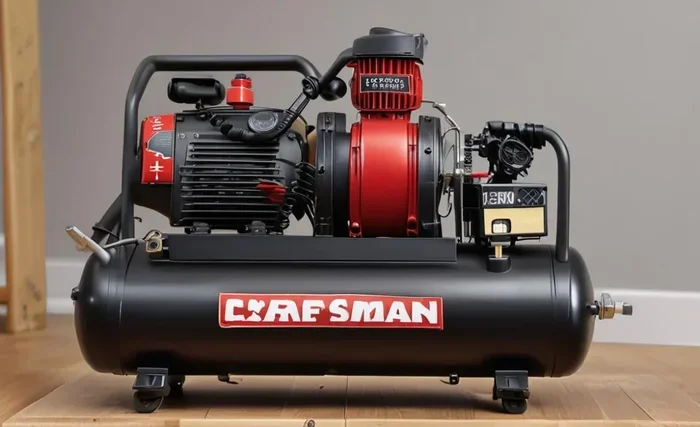
Most portable air compressor models you see at hardware stores are single stage. They are affordable, easy to carry, and simple to maintain. If you only need compressed air for occasional tasks, this is likely all you need.
What Is a Two Stage Air Compressor?
A two stage air compressor uses two pistons working together. The first piston compresses the air partially. Then the air passes through an intercooler to reduce heat. The second piston compresses it again to reach the final air pressure.
This two-step process is why it is called “two stage.” The extra step makes a big difference in performance and efficiency.
How a Two Stage Compressor Works
Here is how the two stage process works step by step:
- The first piston (low pressure stage) compresses air to about 50-70 PSI.
- The air flows through an intercooler which removes heat between stages.
- The cooled air moves to the second piston (high pressure stage).
- The second piston compresses the air again to reach the final PSI rating.
- The fully compressed air enters the air tank or goes directly to the tool.
The intercooling step is critical. It reduces the temperature of the air between stages. This means less heat buildup, better compression efficiency, and a longer machine life. Cooler air also holds less moisture, which is better for your air tools.
Common Uses for Two Stage Compressors
Two stage compressors are built for demanding work. They are the go-to choice for professionals who need reliable, continuous air delivery. Here are typical uses:
- Professional auto body shops running multiple spray guns at once.
- Industrial manufacturing lines that need constant compressed air.
- Heavy-duty woodworking with pneumatic nailers and sanders running all day.
- Dental and medical offices that require clean, dry compressed air.
- Large construction sites where multiple workers use air tools simultaneously.
If you run a busy shop or need your compressor running for hours at a time, a two stage unit is the right choice. The extra cooling and dual-piston design handles continuous duty cycles much better.
Key Differences Between Single and Two Stage Compressors
Now let us get into the real comparison. Understanding these differences helps you make the best decision for your situation.
Compression Process
The most obvious difference is the number of compression stages. A single stage compressor compresses air once. A two stage compressor compresses air twice with cooling in between. This simple difference creates a ripple effect across every other performance metric.
Maximum PSI Output
Single stage compressors typically max out around 120 to 150 PSI. That is plenty for most home and light shop tasks. Two stage compressors can reach 175 PSI to 200 PSI or more. This higher pressure is essential for heavy-duty air tools and industrial equipment.
CFM and Air Delivery
CFM stands for cubic feet per minute. It measures how much air flow your compressor delivers at a given PSI. Two stage compressors generally deliver higher CFM because the second stage adds more air volume. This means you can run more air tools at the same time without the pressure dropping.
Duty Cycle
The duty cycle tells you how long a compressor can run before it needs to cool down. A typical single stage compressor has a 50% duty cycle. That means it runs for 5 minutes and rests for 5 minutes. Two stage compressors often have a 100% duty cycle. They can run continuously without overheating. This is a huge advantage for professional work.
Heat Management
Compressing air generates heat. More compression means more heat. A single stage compressor builds up more heat in one pass. A two stage compressor cools the air between stages, reducing heat buildup. Less heat means less wear on internal parts. It also means less moisture in your compressed air lines.
Size and Weight
Single stage compressors are smaller and lighter. They have fewer parts and a simpler design. This makes them easy to move around a garage or job site. Two stage compressors are bigger and heavier because they have two cylinders, an intercooler, and more plumbing. They are not as portable but they are built for stationary shop use.
Price Comparison
Single stage compressors cost less upfront. A good home model might run $300 to $800. Two stage compressors cost more, often $1,000 to $5,000 or more. But remember, the higher price comes with better efficiency and longer life. Over time, a two stage unit may save you money on energy bills and repairs.
When you are shopping for a compressor, you also need to think about your power supply. If you are running your compressor on a generator or off-grid setup, make sure your power source can handle the electrical load. For example, if you need to run a 30 amp RV air conditioner or other heavy appliance on a generator, check out our guide on what size generator for 30 amp RV air conditioner to make sure your setup is adequate.
Energy Efficiency
Two stage compressors are more energy efficient. The intercooling step reduces the work the motor must do in the second stage. This means lower electricity costs over time. For businesses that run compressors 8 hours a day or more, the energy savings add up fast.
Also consider your home or shop electrical setup. If you are planning to power multiple heavy devices including a refrigerator and freezer, you need to understand your total power draw. Visit our article on what size generator to run refrigerator and freezer for practical advice on sizing your electrical system.
Which Compressor Type Is Right for You?
Choosing between a single stage and two stage compressor depends on your needs. Let us break it down by user type.
Choose a Single Stage Compressor If
- You are a homeowner doing occasional DIY projects.
- You only need to run one or two air tools at a time.
- Your tasks require less than 150 PSI.
- You need a portable compressor you can move around easily.
- You have a limited budget for your initial purchase.
- You use the compressor a few hours per week at most.
Choose a Two Stage Compressor If
- You run a professional shop or business.
- You need to run multiple air tools simultaneously.
- Your work demands more than 150 PSI consistently.
- You need a high duty cycle for continuous operation.
- You want better energy efficiency and lower long-term costs.
- You work with heavy-duty industrial air tools daily.
Still not sure? Think about your typical workload. If you use your compressor for 2 hours a week to inflate tires and sand a project, a single stage unit is perfect. If you run a body shop with three spray booths running all day, you need a two stage machine.
The pump type also matters. Both single and two stage compressors can use oil-lubricated or oil-free pumps. Oil-lubricated pumps last longer but require more maintenance. Oil-free pumps are lower maintenance but may wear out faster under heavy use.
Maintenance Tips for Both Compressor Types
No matter which type you choose, regular maintenance keeps your air compressor running smoothly. Here are essential tips for both single stage and two stage compressors.
For Single Stage Compressors
- Drain the air tank after every use to prevent moisture buildup and rust.
- Check the oil level regularly if you have an oil-lubricated model.
- Inspect the intake filter and clean or replace it when dirty.
- Listen for unusual sounds like rattling or grinding that signal wear.
- Tighten fittings periodically to prevent air leaks that reduce efficiency.
For Two Stage Compressors
- Check the intercooler for blockages or leaks between stages.
- Monitor both cylinders for even wear and proper sealing.
- Change the oil more frequently since two stage units run hotter overall.
- Inspect the second stage valve for signs of heat damage or carbon buildup.
- Keep the discharge lines clear to maintain proper air flow and pressure.
Proper maintenance extends the life of any compressor significantly. A well-maintained single stage unit can last 10+ years. A well-maintained two stage unit can last 15+ years or more.
Common Mistakes to Avoid When Buying a Compressor
Many buyers make avoidable mistakes when shopping for a pneumatic compressor. Here are the most common ones to watch out for.
Underestimating CFM Needs
Buyers often look only at PSI and ignore CFM. But air flow matters just as much. If your air tools need 5 CFM and your compressor only delivers 4 CFM, your tools will not perform properly. Always add a 20-30% buffer to your total CFM requirement.
Ignoring the Duty Cycle
A low duty cycle compressor will keep shutting off during heavy work. This causes frustration and reduces productivity. If you need continuous operation, always choose a unit with a 100% duty cycle rating.
Buying Based on Price Alone
The cheapest single stage compressor may save you money now but cost you more in repairs later. Look for quality components, a solid warranty, and good reviews from real users. Sometimes spending a bit more upfront saves hundreds in the long run.
Forgetting About Electrical Requirements
Two stage compressors draw more power than single stage units. Make sure your shop has the right electrical supply. A 240V circuit is often required for larger two stage models. If you are setting up a new shop, consult an electrician before purchasing.
Expert Insights: Single vs Two Stage Compressor Performance
Industry professionals consistently recommend two stage compressors for commercial use. The compression efficiency and lower operating temperatures give them a clear edge in demanding environments. However, single stage compressors remain the best choice for most homeowners and hobbyists.
According to compressor manufacturers, the average two stage compressor uses about 15-20% less energy than a comparable single stage unit running the same tasks. Over a year of heavy use, these savings can offset the higher purchase price.
The air delivery consistency of two stage models is also superior. Because the intercooler reduces air temperature between stages, the final output is drier and more stable. This is especially important for painting, where moisture in the air line can cause defects.
For most DIY enthusiasts and home users, a single stage compressor provides everything they need. The simplicity of the design means fewer things can go wrong. Maintenance is straightforward and parts are widely available.
If you are still deciding, consider this rule of thumb: buy the compressor that matches your actual workload, not your dream workload. Most people overestimate what they need and end up with a machine that sits idle most of the time.
Key Takeaways
- Single stage compressors use one piston and one compression pass, ideal for light to medium tasks.
- Two stage compressors use two pistons with intercooling, delivering higher pressure and efficiency.
- PSI and CFM ratings are the key specs that determine which compressor fits your needs.
- Duty cycle differences make two stage units better for continuous, heavy-duty work.
- Cost is higher for two stage models but the long-term efficiency savings justify the investment.
- Maintenance requirements are greater for two stage units due to more components.
- Matching your compressor to your actual workload prevents overspending and underperformance.
Conclusion
The difference between single stage and two stage air compressor designs comes down to how air is compressed and delivered. A single stage compressor handles the job in one pass. It is simple, affordable, and perfect for home use and light shop work. A two stage compressor adds a second compression pass with intercooling. This delivers higher pressure, better efficiency, and the ability to run continuously.
Your choice depends on your specific needs. Think about what air tools you use, how often you use them, and what air pressure they require. If you are a weekend DIYer, a single stage unit will serve you well. If you run a professional shop, investing in a two stage compressor pays off in productivity and savings.
Take time to compare CFM ratings, PSI limits, and duty cycle before you buy. Read reviews, talk to other professionals, and choose a reputable brand. The right air compressor makes every job easier and more enjoyable.
Remember, there is no single best compressor for everyone. The best compressor is the one that matches your needs, fits your budget, and delivers reliable compressed air when you need it most.
Frequently Asked Questions
Can I use a single stage compressor for professional work?
Yes, but only for light professional tasks. If you run a small shop with minimal air tool usage, a single stage unit can work. However, for heavy continuous use, a two stage compressor is the better choice. It will handle longer duty cycles and higher demands without overheating.
How long does a single stage air compressor last?
A well-maintained single stage compressor can last 10 to 15 years. Regular maintenance like draining the tank, checking oil levels, and replacing filters makes a big difference. Usage frequency also plays a role. A unit used occasionally will last much longer than one used daily.
Are two stage compressors louder than single stage models?
Not necessarily. Noise depends more on the motor type, housing design, and vibration dampening than the number of stages. However, two stage compressors tend to be larger and may produce more overall sound due to their bigger motors. Many models come with sound enclosures to reduce noise.
What does CFM stand for in air compressors?
CFM stands for cubic feet per minute. It measures the volume of compressed air the compressor delivers at a specific PSI. Higher CFM means more air flow, which allows you to run more tools simultaneously or use tools that require a lot of air.
Do I need an intercooler on a single stage compressor?
No. Single stage compressors do not have an intercooler because air is only compressed once. Intercoolers are exclusive to two stage designs where they cool the air between the first and second compression stages. Adding an intercooler to a single stage unit is not practical or beneficial.
Is it worth upgrading from a single stage to a two stage compressor?
It depends on your usage. If you find your single stage compressor constantly overheating, shutting off, or failing to keep up with your tools, upgrading to a two stage model is worth it. The improved efficiency and continuous operation capability make a noticeable difference for serious work.