Fridge Compressor Not Running And How To Fix It Today
A fridge compressor not running is one of the most common and frustrating refrigerator problems. This guide covers the top reasons your compressor has stopped working, from a faulty start relay to refrigerant leaks and thermostat issues. You will learn simple diagnostic steps, practical repair tips, and expert advice on when to call a professional. We also share prevention tips to keep your compressor running smoothly for years to come.
You walk into the kitchen and notice something is wrong. Your fridge feels warm, the food is not staying cold, and you hear an unusual silence where a hum should be. A fridge compressor not running is one of the most alarming things a homeowner can face. Without the compressor doing its job, your entire cooling system comes to a halt.
The good news? In many cases, the fix is simpler than you think. You do not always need an expensive technician or a brand-new unit. This guide walks you through every possible cause, every diagnostic step, and every repair option you need to know. Whether you are a complete beginner or a handy DIYer, you will find practical solutions that work. Let us get your fridge cooling again.
Key Takeaways
- Start Relay Failure: A bad start relay is the most common reason a fridge compressor not running occurs.
- Overload Protector: A tripped overload protector can shut down your compressor unexpectedly.
- Refrigerant Leaks: Low refrigerant levels prevent the compressor from starting properly.
- Thermostat Issues: A broken thermostat can stop sending power to the compressor.
- DIY Fixes Work: Many compressor problems can be diagnosed and fixed at home with basic tools.
- Know When to Call a Pro: Compressor replacement or refrigerant handling often requires a licensed technician.
- Prevention Matters: Regular cleaning and maintenance can prevent most compressor problems before they start.
📑 Table of Contents
- Understanding Why Your Fridge Compressor Is Not Running
- Top Reasons Your Fridge Compressor Is Not Running
- How To Diagnose a Fridge Compressor That Won’t Start
- Step-by-Step Fridge Compressor Repair Tips
- When To Call a Professional for Compressor Repair
- Preventing Future Compressor Problems
- Comparison Table: Common Causes and Fixes
- Expert Insights
- Key Takeaways
- Frequently Asked Questions
- Conclusion
Understanding Why Your Fridge Compressor Is Not Running
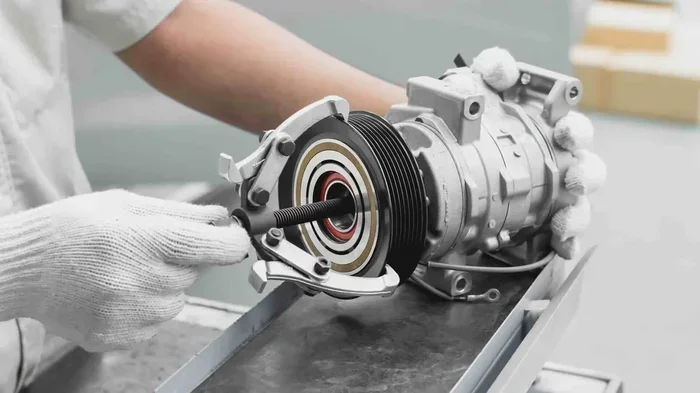
Before you start troubleshooting, it helps to understand what the compressor actually does. Think of it as the heart of your refrigerator. It pumps refrigerant through the system, keeping your food cold and your freezer frozen. When the refrigerator compressor stops working, the whole cooling cycle breaks down.
What Does a Fridge Compressor Do?
The compressor takes low-pressure gas from the evaporator and squeezes it into high-pressure gas. This process generates heat, which is then released through the condenser coils. The gas cools down and turns back into a liquid. That liquid flows through the expansion valve and absorbs heat from inside your fridge. This cycle repeats over and over to maintain the right temperature.
When the compressor not working, this entire loop stops. No cooling happens. Your fridge warms up, your food spoils, and you are left with a big problem. Understanding this basic cycle helps you see why even small component failures can cause big trouble.
Common Signs Your Compressor Has Stopped Working
Not sure if your compressor has actually stopped? Watch for these clear warning signs:
- The fridge is warm inside and the thermostat is set correctly.
- You hear no humming or buzzing sound from the back of the unit.
- The compressor clicks on and off repeatedly without staying running.
- The condenser fan is not spinning either.
- You notice a burning smell or hear a clicking noise when you first turn it on.
- Your fridge is running non-stop but still not cooling properly.
If you notice any of these symptoms, your fridge compressor not running is likely the root cause. The next step is figuring out exactly why it stopped.
Top Reasons Your Fridge Compressor Is Not Running
There are several reasons a compressor might fail to start. Some are simple and cheap to fix. Others require more advanced repairs. Let us look at each one in detail.
Faulty Start Relay
The start relay is a small device that gives the compressor motor the initial boost it needs to kick on. Without a working relay, the compressor simply will not start. This is the most common reason for a fridge compressor not running and the easiest to fix.
You can test the start relay by unplugging the fridge, pulling it away from the wall, and locating the relay at the back of the compressor. Shake it gently. If you hear rattling inside, the relay is bad. You can also use a multimeter to check for continuity. A relay with no continuity needs to be replaced. The good news is start relays are inexpensive and simple to swap out.
Overload Protector Issues
The overload protector is a safety device that shuts off the compressor if it draws too much current or overheats. Sometimes it trips for no obvious reason and refuses to reset. When this happens, your compressor not working is not the actual problem. The protector is just doing its job too well.
To check the overload protector, locate it near the compressor at the back of the fridge. Unplug the unit first. Use a multimeter to test for continuity. If the protector shows no continuity, it has failed and needs replacement. If it passes the test, the real issue is elsewhere in the system.
Refrigerant Leaks
Refrigerant is the lifeblood of your cooling system. Over time, small leaks can develop in the refrigerant lines. When refrigerant levels drop too low, the compressor may not start or may run but fail to cool properly. Refrigerant leak repair requires a licensed technician because handling refrigerant involves special certifications and equipment.
Signs of a refrigerant leak include oil spots around the compressor, hissing sounds from the fridge, and ice buildup on the evaporator coils. If you suspect a leak, it is best to call a professional. Attempting to refill refrigerant yourself can be dangerous and may violate environmental regulations.
Thermostat Problems
The thermostat controls when the compressor turns on and off. If the thermostat is broken or stuck, it may never send the signal for the compressor to start. This is one of the most overlooked causes of a fridge compressor not running.
Testing the thermostat is straightforward. Turn the thermostat dial to the coldest setting and listen for a click. If you hear nothing, the thermostat may be faulty. Use a multimeter to check for continuity at various temperature settings. No continuity means the thermostat needs to be replaced. Thermostats are affordable and usually easy to install.
Compressor Motor Failure
In the worst-case scenario, the compressor motor itself has burned out. This can happen due to age, electrical surges, or years of wear and tear. A dead motor means the compressor cannot run at all. You will typically hear a loud hum followed by a clicking sound as the unit tries and fails to start.
Motor failure is the most expensive repair. In many cases, the cost of a new compressor plus installation is close to the price of a brand-new fridge. We will discuss replacement costs in detail later in this guide.
Capacitor Failure
The capacitor stores electrical energy and sends it to the compressor motor during startup. A failed capacitor means the compressor gets no boost and will not start. Capacitor failure is common in older refrigerators and is one of the easier fridge compressor repair tasks you can handle yourself.
To test the capacitor, unplug the fridge and discharge the capacitor safely. Use a multimeter set to capacitance mode. Compare the reading to the rating on the capacitor label. If the reading is significantly lower, the capacitor is bad and needs replacing. Always handle capacitors with care since they can hold a dangerous charge even when the fridge is unplugged.
How To Diagnose a Fridge Compressor That Won’t Start
Diagnosing the problem correctly saves you time, money, and frustration. Follow these steps in order to narrow down the cause.
Listen for Clicking or Humming Sounds
Your ears are your best diagnostic tool. When you press the fridge power button, listen carefully. A single click followed by silence often points to a start relay or capacitor problem. Repeated clicking usually means the compressor is trying to start but failing. A continuous hum with no cooling suggests the compressor is running but something else is wrong, like a refrigerant issue.
Take notes on what you hear. This information will help you or a technician pinpoint the exact problem faster.
Check the Electrical Connections
Loose or corroded wiring can prevent the compressor from receiving power. Unplug the fridge and pull it out. Inspect the wires connected to the compressor, start relay, and overload protector. Look for frayed wires, burn marks, or loose connectors. Tighten any loose connections and replace any damaged wires. Sometimes the fix is as simple as reseating a wire that has come loose.
Test the Start Relay and Capacitor
As mentioned earlier, use a multimeter to test both the start relay and the capacitor. These two components work together to get the compressor running. If either one fails, the compressor will not start. Testing both takes only a few minutes and requires no special skills beyond basic multimeter use.
Measure the Voltage at the Compressor
If the relay and capacitor both test fine, check whether power is actually reaching the compressor. Use a multimeter to measure the voltage at the compressor terminals. You should see the rated voltage (usually 120V for standard household fridges). No voltage means the problem is upstream, likely in the thermostat, main control board, or wiring harness.
Step-by-Step Fridge Compressor Repair Tips
Once you have identified the problem, you can start fixing it. Here are the most common repairs for a fridge compressor not running situation.
Reset the Overload Protector
Sometimes the overload protector simply needs a reset. Unplug the fridge and let it sit for at least 30 minutes. This allows the compressor to cool down. Plug it back in and listen for the compressor to start. If it starts and runs normally, the overload protector tripped due to a temporary overload. If it trips again immediately, the protector or the compressor itself has a deeper problem.
Replace the Start Relay
Replacing the start relay is one of the easiest and most affordable repairs. Here is how to do it:
- Unplug the fridge and pull it away from the wall.
- Remove the back panel to access the compressor.
- Locate the start relay, usually a small box plugged into the side of the compressor.
- Remove the relay by pulling it straight out or unscrewing any mounting clips.
- Take the old relay to your local appliance parts store and find a matching replacement.
- Plug the new relay into the same connector.
- Replace the back panel, plug in the fridge, and test.
This repair typically costs under $30 for the part and takes about 15 minutes. It solves the problem in a large percentage of cases where the fridge compressor not running issue is caused by a relay failure.
Clean the Condenser Coils
Dirty condenser coils can cause the compressor to overheat and shut down. Dust, pet hair, and debris build up on the coils over time, reducing their ability to release heat. When the compressor gets too hot, the overload protector trips and the compressor stops.
Cleaning the condenser coils is simple. Unplug the fridge, locate the coils (usually at the back or underneath), and use a coil brush or vacuum attachment to remove dust and debris. Do this every six months as part of your regular fridge maintenance routine. Clean coils help the compressor run cooler and last longer.
Replace the Thermostat
If your thermostat is faulty, replacing it can restore power to the compressor. The thermostat is usually located inside the fridge behind a control panel. Remove the old thermostat by disconnecting the wires and pulling it out. Install the new one in reverse order. Make sure to match the wire connections exactly. After installation, test the fridge at different temperature settings to confirm the compressor cycles on and off correctly.
Replace the Capacitor
If the capacitor has failed, swapping it out is a straightforward job. Always discharge the capacitor before handling it. Remove the old capacitor, note the wire connections, and install the new one with the exact same wiring. Capacitors are inexpensive and widely available at appliance parts stores.
When To Call a Professional for Compressor Repair
Not every repair is a DIY job. Some problems require the skills and tools of a trained technician. Knowing when to call for help saves you from costly mistakes and dangerous situations.
Signs You Need Expert Help
Call a professional if you notice any of the following:
- The compressor is running but your fridge is still not cooling. This could indicate a refrigerant leak or internal compressor damage.
- You smell burning insulation or see scorch marks near the compressor. Electrical issues can be dangerous.
- The compressor makes loud grinding or knocking noises. This suggests internal mechanical failure.
- You have tested the relay, capacitor, and overload protector, and all test fine. The problem may be deeper inside the compressor itself.
- You are uncomfortable working with electrical components. Safety should always come first.
Compressor Replacement Cost Considerations
When the compressor motor has failed, replacement is often the only option. The compressor replacement cost typically ranges from $500 to $1,200, including parts and labor. In some cases, especially with older models, this cost approaches the price of a new refrigerator.
Before committing to a replacement, get a detailed quote from at least two licensed technicians. Ask whether the repair is covered by your warranty. Also consider the age of your fridge. If it is more than 10 years old, a new energy-efficient model might save you money on electricity bills in the long run.
Preventing Future Compressor Problems
Prevention is always better than repair. A few simple habits can keep your compressor healthy and extend the life of your refrigerator significantly.
Regular Maintenance Tips
- Clean the condenser coils every six months to prevent overheating.
- Keep the fridge at least two inches away from the wall for proper airflow.
- Do not overfill the fridge. Air needs to circulate for proper cooling.
- Check the door seals regularly. Worn gaskets let warm air in, forcing the compressor to work harder.
- Avoid placing hot food directly into the fridge. Let it cool first to reduce the cooling load.
- Set the thermostat to the recommended temperature, usually between 37 and 40 degrees Fahrenheit.
Best Practices for Longevity
A well-maintained compressor can last 15 to 20 years or more. The key is consistency. Make fridge compressor troubleshooting part of your seasonal home maintenance routine. Pay attention to any changes in performance, unusual sounds, or temperature fluctuations. Catching small problems early prevents them from becoming big, expensive repairs.
Also, make sure your fridge has proper ventilation around it. Placing it near a heat source like an oven or in direct sunlight forces the compressor to work overtime. A cool, well-ventilated location helps the compressor run efficiently and last longer.
Comparison Table: Common Causes and Fixes
| Problem | Symptom | Fix | Cost |
|---|---|---|---|
| Faulty Start Relay | Compressor clicks but does not start | Replace start relay | $10-$30 |
| Tripped Overload Protector | Compressor shuts off after a few seconds | Reset or replace protector | $10-$40 |
| Bad Capacitor | No humming sound, compressor silent | Replace capacitor | $10-$25 |
| Thermostat Failure | No power to compressor at all | Replace thermostat | $30-$80 |
| Refrigerant Leak | Compressor runs but no cooling | Call professional for repair | $200-$1,000 |
| Compressor Motor Burnout | Loud humming, clicking, no start | Replace compressor or fridge | $500-$1,200 |
Expert Insights
Experienced appliance technicians agree that most fridge compressor not running issues come down to just three components: the start relay, the overload protector, and the capacitor. These three parts are inexpensive and easy to replace. Before you spend money on a service call, check these three items first.
One technician shared a common scenario. A homeowner calls a repairman because their fridge is not cooling. The repairman replaces the start relay for $20 and the compressor starts working again. The homeowner pays $20 instead of a $300 service call. This story happens more often than you might think. A little basic knowledge can save you a lot of money.
Another expert tip is to always unplug the fridge before working on any internal components. Electrical safety is not something to take lightly. Even a standard 120V outlet can deliver a dangerous shock. When in doubt, turn off the circuit breaker that supplies power to the fridge.
Key Takeaways
- Start Relay Failure: A bad start relay is the most common reason a fridge compressor not running occurs.
- Overload Protector: A tripped overload protector can shut down your compressor unexpectedly.
- Refrigerant Leaks: Low refrigerant levels prevent the compressor from starting properly.
- Thermostat Issues: A broken thermostat can stop sending power to the compressor.
- DIY Fixes Work: Many compressor problems can be diagnosed and fixed at home with basic tools.
- Know When to Call a Pro: Compressor replacement or refrigerant handling often requires a licensed technician.
- Prevention Matters: Regular cleaning and maintenance can prevent most compressor problems before they start.
Frequently Asked Questions
Why is my fridge compressor not running but the light is on?
This usually means the compressor has lost power due to a failed relay, capacitor, or overload protector. The light runs on a separate circuit, so it can still work even when the compressor is dead. Check the start relay and capacitor first since these are the most common and easiest fixes.
Can a fridge compressor not running be caused by a power outage?
Yes, sometimes a power outage can trip the overload protector or cause a voltage spike that damages the compressor. After a power outage, unplug the fridge for 30 minutes and plug it back in. If the compressor still does not start, one of the internal components likely failed during the outage.
How much does it cost to fix a fridge compressor not running?
The cost depends entirely on the cause. A start relay replacement costs $10 to $30. A capacitor costs $10 to $25. A thermostat runs $30 to $80. However, a full compressor replacement can cost $500 to $1,200. Always start with the cheapest and easiest fixes first.
Is it worth replacing a compressor in an old fridge?
It depends on the age and condition of the fridge. If your fridge is over 10 years old and needs a new compressor, the repair cost may be close to the price of a new energy-efficient model. Compare the repair quote against the cost of a replacement and make your decision based on long-term value.
Can low refrigerant cause a fridge compressor not running?
Yes, low refrigerant can prevent the compressor from starting or cause it to run poorly. Modern compressors have built-in protection that shuts them off when refrigerant levels are too low. If you suspect a leak, a licensed technician needs to repair the leak and recharge the system.
How do I know if my compressor is running but not cooling?
If you hear the compressor humming but the fridge is warm inside, the problem is likely a refrigerant leak or a clogged expansion valve. The compressor is working but the cooling system cannot circulate refrigerant properly. This type of issue almost always requires professional diagnosis and repair.
Conclusion
A fridge compressor not running does not have to mean disaster. Most of the time, the fix is simple, affordable, and something you can handle yourself. Start with the basics. Check the start relay, test the overload protector, and inspect the capacitor. These three components account for the majority of compressor startup failures.
If those fixes do not solve the problem, move on to the thermostat and electrical connections. Keep a record of what you test and what you find. This information is invaluable if you eventually need to call a professional.
Remember that prevention is your best long-term strategy. Clean the condenser coils regularly, keep the fridge well-ventilated, and set the thermostat correctly. These simple habits keep your compressor running efficiently and extend the life of your refrigerator.
When all else fails, do not hesitate to call a licensed appliance technician. Some problems, like refrigerant leaks and compressor motor burnout, require professional tools and expertise. The key is to stay calm, work through the steps systematically, and know when to ask for help. Your fridge will be back to keeping your food cold in no time.