Harbor Freight Inverter Generator Ultimate Buyer Guide
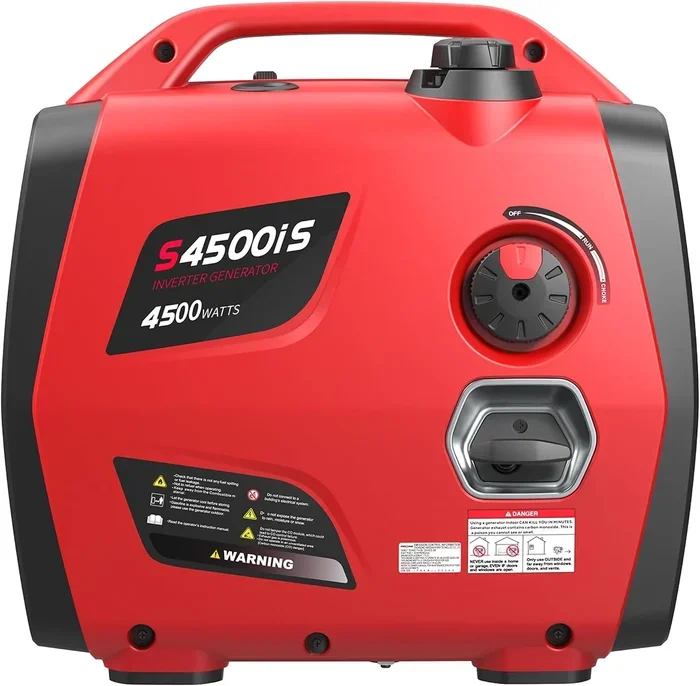
A harbor freight inverter generator delivers clean, stable power for your home, RV, or camping trips. These units are lightweight, fuel-efficient, and whisper-quiet compared to traditional generators. Our buyer guide covers the top models, key features, wattage options, and real-world performance tips. Whether you need backup power for essentials or a reliable companion for outdoor adventures, this guide helps you make the best choice.
A harbor freight inverter generator is one of the smartest purchases you can make for reliable, on-demand power. Unlike conventional generators that produce raw, unstable energy, inverter models clean up the electricity before it reaches your devices. This means your laptops, phones, and TVs stay safe while running on generator power.
Harbor Freight has built a strong reputation for offering quality tools at prices that won’t break the bank. Their inverter generator lineup follows that same philosophy. You get solid performance, modern inverter technology, and a price tag that makes sense for both casual users and serious preppers.
In this guide, we walk you through everything you need to know. We compare models, explain key specs, and share practical tips so you can buy with confidence. Let’s dive in.
Key Takeaways
- Clean Power Output: Inverter generators produce safe, stable electricity for sensitive electronics like laptops and phones.
- Fuel Efficiency: These units use less fuel than conventional generators, saving you money over time.
- Portability: Harbor Freight inverter generators are lightweight and easy to move around.
- Quiet Operation: Most models run at 50-65 decibels, making them ideal for camping and residential use.
- Parallel Capability: Many Harbor Freight models allow you to link two units for more power when needed.
- Affordable Pricing: Harbor Freight offers inverter generators at competitive prices compared to other brands.
- Multiple Wattage Options: Choose from models ranging from 1,000 watts to 7,500 watts depending on your needs.
📑 Table of Contents
- What Is a Harbor Freight Inverter Generator?
- Why Choose a Harbor Freight Inverter Generator?
- Top Harbor Freight Inverter Generator Models
- Key Features to Look For
- Harbor Freight Inverter Generator vs. Other Brands
- Maintenance Tips for Your Harbor Freight Inverter Generator
- Common Mistakes to Avoid
- Expert Tips for Getting the Most Out of Your Harbor Freight Inverter Generator
- Final Thoughts
What Is a Harbor Freight Inverter Generator?
A harbor freight inverter generator is a portable power unit that uses advanced electronics to convert raw AC power into clean DC power, then back to stable AC output. This process eliminates power surges and voltage fluctuations that can damage sensitive electronics.
Traditional generators run at a constant speed, usually 3,600 RPM, to produce 60 Hz power. Inverter generators, on the other hand, adjust their engine speed based on the load. When you’re running just a few lights, the engine slows down. When you plug in a heavy appliance, it speeds up. This variable speed design is what makes inverter generators so fuel-efficient.
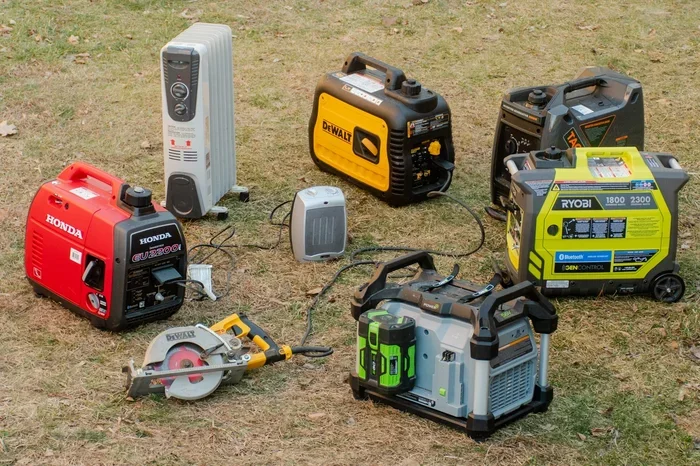
Harbor Freight carries several inverter generator brands and models. You’ll find units from well-known manufacturers that meet the brand’s quality standards. The lineup includes small portable units for camping trips and larger models that can handle home backup power needs.
How Inverter Technology Works
The magic behind these units lies in the inverter process. First, the engine generates raw AC power. Then a rectifier converts that power to DC. Finally, an inverter module converts the DC back into clean AC power with a smooth sine wave.
This clean sine wave is crucial. Standard generators produce a rough, distorted sine wave that can harm delicate electronics. Inverter generators produce power that’s nearly identical to what you get from a wall outlet. That’s why they’re perfect for charging laptops, powering medical equipment, and running home theater systems.
Why Choose a Harbor Freight Inverter Generator?
There are plenty of reasons to consider a harbor freight inverter generator for your power needs. Let’s break down the biggest advantages.
Portability and Lightweight Design
Most Harbor Freight inverter generators weigh between 40 and 80 pounds. That’s significantly lighter than conventional generators of similar size. Many models come with built-in handles and, in some cases, wheels for easy transport.
You can carry a smaller Harbor Freight inverter generator to your campsite with one hand. The lightweight design also makes it easy to store in a garage or shed without taking up too much space. For people who need to move their power source frequently, this portability is a game-changer.
Fuel Efficiency
Fuel efficiency is where inverter generators really shine. Because the engine adjusts to the load, you use only the fuel you need. A Harbor Freight inverter generator can run 8 to 12 hours on a single tank of gas at 25% to 50% load.
Compare this to a conventional generator, which guzzles fuel even when running light loads. Over weeks of use, the fuel savings really add up. If you’re using your generator for extended power outages or long camping trips, you’ll appreciate the longer runtime per gallon.
Want to learn more about fuel consumption for different generator types? Check out our article on how much natural gas a generator uses for detailed comparisons.
Quiet Operation
Nobody wants a generator that sounds like a jet engine. Harbor Freight inverter generators are designed to run quietly. Most models produce between 50 and 65 decibels at a standard 25% load.
To put that in perspective, a normal conversation is about 60 decibels. So a Harbor Freight inverter generator running at a whisper is roughly as loud as a quiet conversation. This makes it ideal for camping, tailgating, and residential use where noise complaints are a real concern.
Clean Power for Sensitive Electronics
The clean power output of an inverter generator is its biggest selling point. Total harmonic distortion (THD) on Harbor Freight inverter models typically stays below 3%. That’s well within the safe range for laptops, smartphones, cameras, and other sensitive devices.
With a conventional generator, the high THD can slowly damage your electronics over time. Inverter generators eliminate this risk entirely. You can plug in your expensive equipment without worrying about power surges or waveform distortion.
Top Harbor Freight Inverter Generator Models
Harbor Freight offers several inverter generator models to suit different needs and budgets. Here’s a look at what you can expect from their lineup.
Small Portable Models (1,000–2,000 Watts)
The smaller Harbor Freight inverter generators are perfect for camping trips, RV adventures, and powering a few essential devices during an outage. These compact units typically weigh under 50 pounds and fit easily in a car trunk.
You can run a laptop, charge your phone, power a small fan, and keep the lights on with a 1,000 to 2,000-watt model. They’re ideal for solo campers, small RVs, and anyone who needs basic power on the go.
Medium-Sized Models (2,500–3,500 Watts)
The mid-range Harbor Freight inverter generators offer more versatility. These units can handle larger loads like a refrigerator, microwave, or power tools. They’re great for homeowners who need backup power for essential circuits.
Many models in this range include a 12V DC outlet for charging batteries, USB ports for phones and tablets, and multiple AC outlets for household devices. The runtime on a full tank typically ranges from 8 to 12 hours at moderate load.
Larger Models (4,000–7,500 Watts)
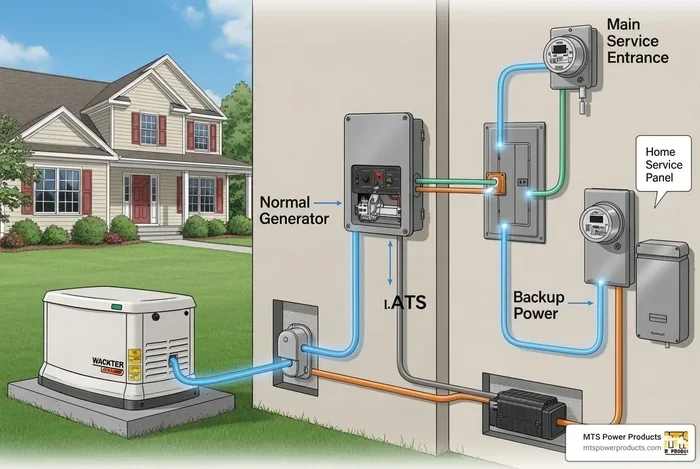
For serious power needs, Harbor Freight offers larger inverter generators with 4,000 to 7,500 watts of capacity. These models can power an entire RV, run construction tools, or keep your essential home appliances running during a blackout.
Many of the larger Harbor Freight inverter generators feature parallel capability. This means you can connect two identical units to double your power output. It’s a smart and affordable way to scale up your power without buying a massive single unit.
If you’re shopping for a larger setup, also consider exploring what’s available in the broader electrical generator market to compare your options.
Key Features to Look For
Not all harbor freight inverter generator models are created equal. Here are the key features to evaluate before making your purchase.
Wattage Capacity
Start by calculating your power needs. Add up the wattage of everything you plan to run simultaneously. Remember to account for surge wattage, which is the extra power needed to start motors like refrigerators and air compressors.
As a rule of thumb, choose a generator with at least 20% more capacity than your calculated total. This gives you a safety margin and prevents the unit from overloading.
Runtime
Runtime tells you how long the generator can run on a single tank of gas at a specific load level. Look for models that offer at least 8 hours at 25% to 50% load for practical use during overnight outages or full-day camping trips.
Parallel Capability
Parallel capability is a fantastic feature that lets you link two compatible generators together. This doubles your power output without the weight and bulk of a single large unit. Harbor Freight offers several models with this option, making it easy to scale up when you need more juice.
Outlets and Ports
Check the number and type of outlets on the generator. Look for multiple AC outlets, USB ports, and a 12V DC outlet. The more options you have, the easier it is to power different devices at the same time without extension cords and adapters.
Noise Level
Noise level is measured in decibels (dB). Lower numbers mean quieter operation. For residential use and camping, look for models rated at 60 dB or below. Harbor Freight inverter generators generally fall in the 50 to 65 dB range, which is impressively quiet for a generator.
Harbor Freight Inverter Generator vs. Other Brands
Harbor Freight inverter generators hold their own against bigger brands. Here’s how they compare in key areas.
| Feature | Harbor Freight | Honda | Champion |
|---|---|---|---|
| Price Range | $300–$1,200 | $800–$3,000+ | $400–$1,500 |
| Wattage Range | 1,000–7,500W | 1,000–7,500W | 1,000–7,500W |
| Noise Level | 50–65 dB | 48–60 dB | 52–67 dB |
| Fuel Efficiency | Excellent | Excellent | Very Good |
| Warranty | 2–5 years | 3–5 years | 3–5 years |
| Portability | Very Good | Excellent | Very Good |
| Parallel Capability | Available on many models | Available on select models | Available on many models |
Harbor Freight inverter generators offer excellent value for the price. You’re not paying for a premium brand name, but you are getting reliable inverter technology and solid build quality. For budget-conscious buyers, Harbor Freight is hard to beat.
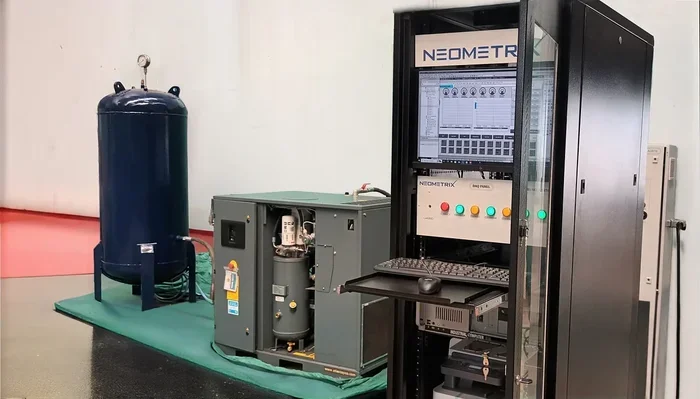
If you want to understand how your generator performs over time, it helps to know about generator testing methods that ensure your unit delivers consistent power output.
Maintenance Tips for Your Harbor Freight Inverter Generator
Keeping your generator in top shape ensures it starts every time you need it. Follow these simple maintenance tips for years of reliable service.
Regular Oil Changes
Change the oil after the first 20 hours of use, then every 100 hours or at least once per season. Fresh oil keeps the engine running smoothly and prevents premature wear. Harbor Freight sells compatible oil at their stores, making it easy to stay on top of this task.
Air Filter Maintenance
Check the air filter before each use. Clean or replace it when it looks dirty or clogged. A clogged air filter reduces engine performance and fuel efficiency. Most Harbor Freight generator air filters are washable and reusable.
Spark Plug Care
Inspect the spark plug every 100 hours of use. Clean the electrode and check the gap. Replace the spark plug annually or if you notice starting difficulties. A healthy spark plug ensures reliable ignition and smooth engine operation.
Fuel Stabilizer for Storage
If you store your generator for more than 30 days, add fuel stabilizer to the tank. Stabilized fuel prevents gum and varnish buildup in the carburetor. This simple step saves you from frustrating starting problems after long periods of storage.
Battery Maintenance
If your Harbor Freight inverter generator has a battery for electric start, keep it charged during storage periods. A generator battery can last several years with proper maintenance, but neglect can shorten its lifespan significantly.
Common Mistakes to Avoid
Even experienced users make mistakes with their generators. Here are the most common errors and how to avoid them.
- Overloading the generator: Plugging in too many devices can trip the breaker or damage the unit. Always stay within the rated wattage.
- Running on empty: Letting the fuel tank run dry can damage the carburetor. Refuel when the tank hits one-quarter full.
- Ignoring oil changes: Skipping oil changes leads to engine wear and eventual failure. Stick to the maintenance schedule.
- Using old fuel: Gasoline degrades within 30 days. Use fresh fuel or add stabilizer for stored units.
- Running indoors: Never operate a generator inside a garage, basement, or enclosed space. Carbon monoxide is deadly and odorless.
Expert Tips for Getting the Most Out of Your Harbor Freight Inverter Generator
Here are some insider tips from seasoned generator users that will help you get the best performance and longest lifespan from your unit.
Start with a test run. Before you actually need your generator during a power outage, run it for 15 to 20 minutes. This lets you verify it’s working properly and gives you time to address any issues.
Use heavy-duty extension cords. Cheap extension cords cause voltage drops and can damage your electronics. Look for cords rated for outdoor use with a gauge appropriate for your generator’s output.
Keep it dry. Operate your generator on a dry surface and protect it from rain. Water and electricity are a dangerous combination. A generator tent or canopy is a worthwhile investment.
Track your runtime. Keep a log of how many hours you run your generator. This helps you stay on top of maintenance intervals and gives you a clear picture of the unit’s overall health.
Consider a parallel kit. If you anticipate needing more power, buy a compatible parallel kit when you purchase your generator. It’s much easier to set up before you need it than scrambling to find one during an emergency.
Final Thoughts
A harbor freight inverter generator is a practical, affordable, and reliable choice for anyone who needs clean, portable power. Whether you’re camping in the woods, powering tools at a job site, or preparing for the next blackout, Harbor Freight has a model that fits the bill.
The combination of inverter technology, fuel efficiency, quiet operation, and competitive pricing makes these generators a standout value. You’re not sacrificing quality by choosing Harbor Freight. In many cases, you’re getting the same inverter technology found in premium brands at a fraction of the cost.
Take the time to assess your power needs, compare the models we’ve covered, and follow the maintenance tips in this guide. Your harbor freight inverter generator will serve you well for years to come. Power up with confidence and enjoy the peace of mind that comes with knowing you have a reliable source of clean, stable electricity whenever you need it.
Frequently Asked Questions
What makes a harbor freight inverter generator different from a regular generator?
A harbor freight inverter generator uses advanced electronics to produce clean, stable power with a smooth sine wave. Regular generators produce raw, fluctuating power that can damage sensitive electronics. Inverter models are also quieter, lighter, and more fuel-efficient than conventional generators.
Can I run my air conditioner on a harbor freight inverter generator?
It depends on the wattage of your AC unit and the generator model. Smaller window AC units can run on a 2,000 to 3,000-watt inverter generator. Central AC units typically require a much larger generator. Always check the starting and running wattage of your AC before connecting it to any generator.
How long does a harbor freight inverter generator run on a full tank?
Runtime varies by model and load level. Most Harbor Freight inverter generators run 8 to 12 hours at 25% to 50% load on a full tank. Smaller models may run 6 to 8 hours, while larger units can extend to 12+ hours at lighter loads.
Is it safe to use a harbor freight inverter generator for sensitive electronics?
Yes, it is very safe. Inverter generators produce power with less than 3% total harmonic distortion, which is well within the safe range for laptops, phones, TVs, and other sensitive electronics. The clean power output protects your devices from voltage spikes and waveform distortion.
Can I connect two harbor freight inverter generators together?
Many Harbor Freight inverter generator models support parallel capability, which lets you connect two identical units to double your power output. Check your specific model’s manual or product page to confirm parallel compatibility. You’ll need a parallel kit, which is often sold separately.
How often should I maintain my harbor freight inverter generator?
Change the oil every 100 hours or at least once per season. Check the air filter before each use and clean it as needed. Inspect the spark plug every 100 hours and replace it annually. Add fuel stabilizer if you store the generator for more than 30 days.