How Much Does a Home Generac Generator Cost in 2024
The cost of a home Generac generator ranges from about $1,000 for portable models to over $15,000 for whole-house standby systems. Your final price depends on the generator size, fuel type, installation needs, and added features like automatic transfer switches. This guide breaks down every cost factor so you can make a smart buying decision.
Power outages are more common than most homeowners realize. Storms, grid failures, and even wildlife can knock out electricity for hours or days. When the lights go out, a home Generac generator can keep your fridge running, your lights on, and your family comfortable. But before you buy one, the big question is: how much does it actually cost?
The answer is not as simple as picking a price tag. Generac makes dozens of models, from compact portable units to powerful whole-house standby systems. Each type comes with its own price range, installation needs, and ongoing costs. In this guide, we will walk you through every cost factor so you know exactly what to expect. Whether you need a small backup generator for a few appliances or a whole-house generator that powers everything, we have you covered.
Let us break down the numbers in plain language. No jargon. No confusing specs. Just clear, honest pricing information to help you make the best decision for your home and budget.
Key Takeaways
- Portable Generac generators cost between $1,000 and $3,500, making them ideal for temporary power needs and smaller budgets.
- Standby Generac generators range from $3,000 to $15,000+, offering automatic backup power for your entire home during outages.
- Installation costs add $1,500 to $5,000 depending on electrical work, fuel line setup, and local permit requirements.
- Fuel type matters — natural gas, propane, and diesel models each have different upfront and ongoing costs.
- Generator size and kilowatt rating directly impact the price, so matching the unit to your home’s power needs is essential.
- Ongoing maintenance and fuel costs should factor into your total ownership budget, not just the purchase price.
- A Generac generator can increase your home’s resale value by making it more attractive to buyers in outage-prone areas.
📑 Table of Contents
- Understanding Generac Generator Types and Their Price Ranges
- What Drives the Cost of a Home Generac Generator?
- Installation Costs: What to Expect
- Ongoing Costs of Owning a Generac Generator
- How to Choose the Right Generac Generator for Your Home
- Common Mistakes to Avoid When Buying a Home Generac Generator
- Expert Insights: Is a Generac Generator Worth the Investment?
- Conclusion
Understanding Generac Generator Types and Their Price Ranges
Generac offers several categories of generators. The type you choose is the single biggest factor in your total cost. Let us look at each category and what you can expect to pay.
Portable Generac Generators ($1,000 – $3,500)
Portable generators are the most affordable option. They run on gasoline or propane and can power essential devices during an outage. These units typically range from 3,000 to 7,500 watts. You plug appliances directly into the generator using extension cords.
Popular models like the Generac GP3500 cost around $1,000 to $1,500. Larger portable units with more wattage push closer to $3,000 or $3,500. These are great for camping, job sites, and short-term power needs at home.
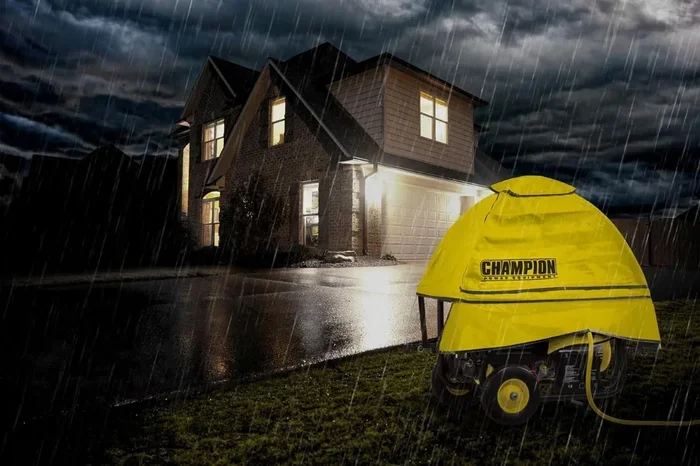
The main limitation is that portable generators cannot power your entire house. They also require manual setup each time you need them. And they should never be used indoors due to carbon monoxide risks.
Portable Standby Generators ($3,000 – $6,000)
These sit between portable and full standby units. They are larger and more powerful than regular portables but do not offer the full automatic convenience of a whole-house system. Some models include a basic transfer switch for safer operation.
The Generac Guardian series in the smaller size range falls into this category. These units typically deliver 7,000 to 10,000 watts. They can handle your essentials — refrigerator, lights, furnace blower, and a few other circuits.
Whole-House Standby Generac Generators ($6,000 – $15,000+)
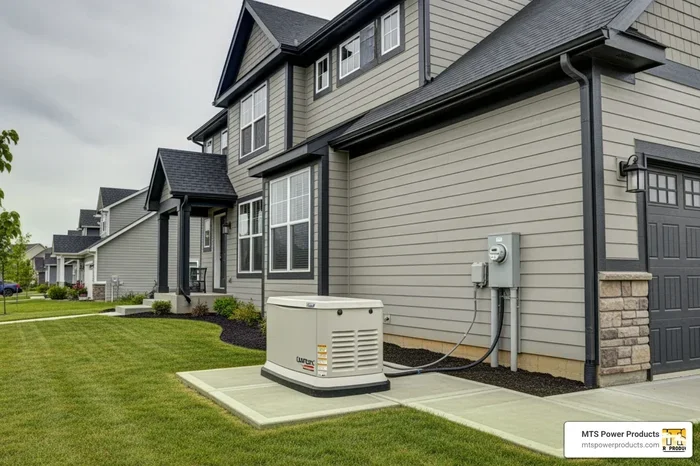
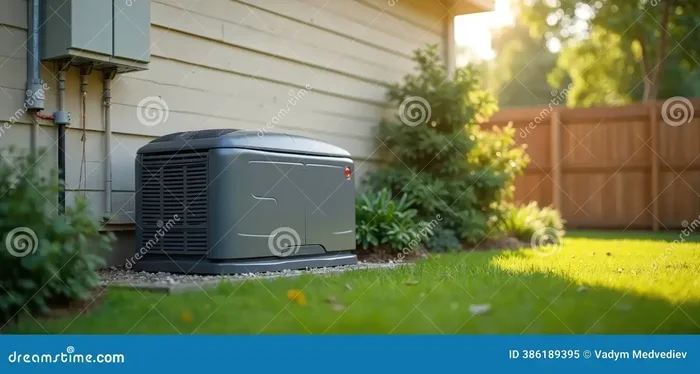
Whole-house standby generators are the premium option. They connect directly to your home’s electrical system and kick on automatically when the power goes out. No manual setup required.
Small whole-house units start around $6,000 to $8,000. Mid-range models between 12,000 and 20,000 watts cost $8,000 to $12,000. Large home units that can power everything — including central air conditioning — can reach $15,000 or more. The Generac 24kW and 22kW models are among the most popular for full-home coverage.
| Generator Type | Wattage Range | Approximate Cost (Unit Only) | Best For |
|---|---|---|---|
| Portable | 3,000 – 7,500 W | $1,000 – $3,500 | Temporary power, camping, essentials |
| Portable Standby | 7,000 – 10,000 W | $3,000 – $6,000 | Essentials with partial automation |
| Whole-House Standby | 12,000 – 24,000+ W | $6,000 – $15,000+ | Full home backup, automatic operation |
What Drives the Cost of a Home Generac Generator?
Several factors influence the final price tag. Understanding these helps you avoid surprises and budget accurately.
Kilowatt Rating and Power Capacity
The bigger the generator, the higher the price. Kilowatt rating determines how many appliances and circuits the unit can handle. A small 7,500-watt generator costs far less than a 24,000-watt system. The key is matching the size to your actual needs. Buying oversized means wasting money. Buying undersized means not enough power during an outage.
Fuel Type
Generac generators run on different fuels, and each has cost implications:
- Natural Gas: Most convenient for whole-house units. Connects to your existing gas line. No need to refuel. Slightly higher upfront cost for the generator and installation.
- Propane: Common in areas without natural gas service. Requires a propane tank. Fuel costs can fluctuate with market prices.
- Diesel: Less common for home use but available. Excellent fuel efficiency and long engine life. Higher purchase price.
- Gasoline: Used in portable models. Affordable upfront but requires regular fuel storage and refilling.
Installation Requirements
The generator unit itself is only part of the equation. Generator installation cost can add $1,500 to $5,000 or more. Factors include:
- Electrical panel upgrades needed
- Fuel line installation (natural gas or propane)
- Concrete pad or mounting surface
- Automatic transfer switch setup
- Local permit and inspection fees
- Distance from the house to the unit
Brand and Model Features
Not all Generac models are priced the same. Higher-end units include features like Wi-Fi monitoring, quieter operation, and longer warranty periods. The Generac QuietSource series, for example, costs more than standard Guardian models but runs significantly quieter. These extra features add value but also increase the upfront cost.
Warranty and Support
Generac offers varying warranty coverage. Standard warranties typically cover 3 to 5 years. Extended warranty plans cost extra but can save you money on repairs down the road. Generac warranty terms vary by model, so always check the specific coverage before purchasing.
Installation Costs: What to Expect
Installation is often the part homeowners underestimate. The generator unit looks affordable until you add the setup costs. Here is a realistic breakdown.
Basic Installation ($1,500 – $3,000)
A basic installation works when your home already has a compatible electrical panel and a nearby natural gas or propane line. The installer connects the generator, sets up the transfer switch, and ensures everything meets code. This is the most common scenario for homes in suburban areas with existing utility connections.
Complex Installation ($3,000 – $5,000+)
Complex installations happen when your home needs electrical upgrades, a new gas line, or a custom mounting pad. Older homes with outdated panels often fall into this category. Also, if the unit must be placed far from the house or the gas meter, labor costs increase.
Quick Tip: Always get at least three installation quotes. Prices vary widely by region and contractor. Ask each installer for a detailed written estimate that includes all materials, labor, and permit fees.
Permit and Inspection Fees
Most local governments require permits for generator installations. These fees range from $50 to $300 depending on your area. Inspections ensure the installation is safe and code-compliant. Factor this into your budget early.
Ongoing Costs of Owning a Generac Generator
The purchase and installation are not the only costs. Owning a generator involves ongoing expenses that affect your long-term budget.
Fuel Costs
A whole-house standby generator uses natural gas or propane continuously during an outage. On a typical day-long outage, a 22kW unit might use 3 to 5 therms of natural gas. At average gas rates, that could cost $3 to $8 per day of operation. Propane usage is similar but depends on tank size and local propane prices.
Portable generators burn gasoline, which is more expensive per hour of operation. A portable unit running at half load might use 0.5 to 1 gallon per hour.
Maintenance Expenses
Regular maintenance keeps your generator running reliably. Annual maintenance costs typically range from $150 to $300. This includes:
- Oil changes
- Air filter replacement
- Spark plug inspection
- Battery check
- General system diagnostic
Some homeowners buy extended service plans from their installer. These plans often cover annual maintenance and priority service during emergencies. They are worth considering if you want peace of mind.
Generator Maintenance Cost Over Time
Over a 10-year ownership period, budget roughly $1,500 to $3,000 for routine maintenance. Major repairs are rare with proper upkeep but can cost $500 to $1,500 if needed. Replacing the battery every 2 to 3 years adds another $100 to $200 each time.
How to Choose the Right Generac Generator for Your Home
With so many options, choosing the right generator can feel overwhelming. Here is a practical approach to narrowing your choices.
Step 1: Calculate Your Power Needs
Make a list of the essential items you want to run during an outage. Typical essentials include:
- Refrigerator (700 watts)
- Freezer (400 watts)
- Furnace blower (600 watts)
- Lights (200-400 watts total)
- Sump pump (1,000 watts)
- Wi-Fi router (20 watts)
Add up the wattage. Then add a 20% buffer for startup surges. This gives you your minimum kilowatt requirement.
Step 2: Set Your Budget
Decide how much you are willing to spend on the unit plus installation. Remember that a cheaper portable generator may not provide the comfort and convenience of a standby system. Think about what matters most to your household during a power outage.
Step 3: Consider Your Fuel Source
If your home already has natural gas service, a natural gas standby generator is the most convenient option. If you are off the gas grid, propane or a portable gasoline unit makes more sense. Your local fuel availability and costs should guide this decision.
Step 4: Think About Resale Value
A Generac whole-house generator can increase your home’s resale value. Many homebuyers in areas prone to storms and outages view a backup generator as a major selling point. The investment can pay for itself over time through both comfort and property value.
Common Mistakes to Avoid When Buying a Home Generac Generator
Avoiding these common pitfalls can save you money and frustration.
Buying the Wrong Size
Und sizing is the most common mistake. A generator that is too small will overload and shut down during use. Always calculate your needs carefully and choose a unit that meets or slightly exceeds your requirements.
Ignoring Installation Quality
A cheap installation job can lead to safety hazards, code violations, and poor performance. Hire a licensed and experienced installer. Do not let the lowest bid win if it means cutting corners.
Forgetting About Noise
Generators can be loud. If you have close neighbors or local noise ordinances, look for quieter models. Generac offers sound-attenuated options that run much more quietly than standard units.
Skipping the Transfer Switch
A transfer switch is essential for standby generators. It safely disconnects your home from the grid while the generator runs. Skipping this component is dangerous and often violates electrical codes.
Not Budgeting for Ongoing Costs
The purchase price is only the beginning. Fuel, maintenance, and occasional repairs add up. Budget for these costs before you buy so there are no surprises later.
Expert Insights: Is a Generac Generator Worth the Investment?
Homeowners who have experienced extended power outages almost always say the same thing: a generator is worth every penny. A home backup generator does more than keep the lights on. It protects your food, your electronics, your heating or cooling system, and your family’s comfort and safety.
For homes in areas with frequent storms or unreliable power grids, a standby generator is not a luxury. It is a practical necessity. Generac has built a strong reputation for reliability and performance in the emergency power supply market. Their units are designed to handle harsh conditions and provide consistent power when you need it most.
The home generator sizing process is the most important step. Take the time to assess your needs honestly. Consult with a qualified installer if you are unsure. Getting the right unit from the start saves money, frustration, and ensures your family stays powered through any outage.
Conclusion
The cost of a home Generac generator varies widely depending on the type, size, fuel source, and installation complexity. Portable units start around $1,000 and offer basic power for essentials. Whole-house standby systems can reach $15,000 or more but provide complete automatic backup for your entire home.
Installation adds $1,500 to $5,000 to your total cost. Ongoing fuel and maintenance expenses are additional but manageable. When you factor in the comfort, safety, and potential increase in home value, a Generac generator is a smart investment for many homeowners.
The key is to plan carefully. Calculate your power needs, set a realistic budget, and work with a trusted installer. With the right approach, you will have reliable backup power for years to come. Do not wait for the next outage to realize you need a generator. Make the decision now and keep your home running no matter what.
Frequently Asked Questions
What is the average cost of a home Generac generator in 2024?
The average cost ranges from $1,000 for a basic portable unit to $15,000 or more for a whole-house standby system. Most homeowners spend between $4,000 and $10,000 for a standby generator with professional installation. Your exact cost depends on the model size, fuel type, and local installation rates.
Can I install a Generac generator myself to save money?
While some portable models can be set up by a handy homeowner, whole-house standby generators require professional installation. Electrical work, gas line connections, and transfer switch setup all involve safety risks and local code requirements. Hiring a licensed installer ensures safe, code-compliant operation and protects your warranty.
How much does Generac generator installation cost?
Installation costs typically range from $1,500 to $5,000. Basic installations with existing utility connections cost less. Complex installations requiring electrical panel upgrades or new gas lines cost more. Always get multiple quotes and ask for a detailed breakdown of all fees.
What size Generac generator do I need for my home?
The right size depends on how many appliances and circuits you want to power during an outage. List your essential items, add up their wattage, and include a 20% buffer for startup surges. A professional installer can also perform a load calculation to recommend the ideal size for your home.
Do Generac generators increase home value?
Yes, a Generac standby generator can increase your home’s resale value. Buyers in areas prone to power outages view a backup generator as a valuable feature. It signals that the home is prepared for emergencies and offers ongoing comfort and protection.
How much does it cost to run a Generac generator during a power outage?
Running costs depend on the fuel type and outage duration. A 22kW natural gas standby generator might use 3 to 5 therms per day, costing $3 to $8 daily. Propane usage is similar. Portable gasoline generators use more fuel per hour and can cost $5 to $15 per day depending on load and local fuel prices.