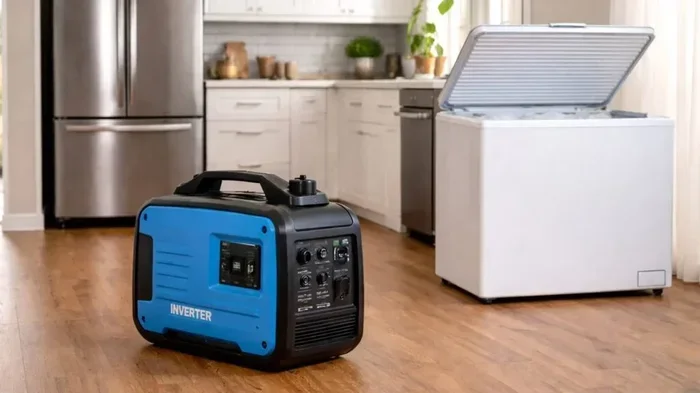
How to Plug In Generator to House Safely and Easily
Knowing how to plug in generator to house properly keeps your family safe and your lights on during a power outage. This guide covers everything from transfer switches to generator inlet boxes, so you can set up backup power the right way. We break down each step with simple instructions, safety tips, and common mistakes to avoid. Whether you own a portable generator or a standby unit, you will find practical advice that works for your home.
Key Takeaways
- Always use a transfer switch or interlock kit: This is the safest and most code-compliant way to connect a generator to your home’s electrical system.
- A generator inlet box makes plugging in easier: It provides a clean, permanent connection point outside your house for heavy-duty cords.
- Never backfeed through a wall outlet: This dangerous practice can electrocute utility workers and damage your wiring.
- Match your generator wattage to your load: Overloading a generator causes shutdowns and can damage both the unit and your appliances.
- Carbon monoxide is a silent killer: Always run your generator outdoors, far from windows, doors, and vents.
- Test your setup before you need it: A quick dry run before storm season ensures everything works when it matters most.
📑 Table of Contents
- How to Plug In Generator to House: A Complete Safety Guide
- Understanding Your Generator Setup
- The Transfer Switch: Your Best Option for Safe Connection
- How to Use a Generator Inlet Box
- Step-by-Step: Plugging In Your Generator
- Safety Tips You Cannot Skip
- Common Mistakes to Avoid
- Expert Insights on Generator Installation
- Key Takeaways
- Conclusion
How to Plug In Generator to House: A Complete Safety Guide
Power outages are more common than most people think. Storms, grid failures, and even wildlife can knock out electricity for hours or days. When the lights go out, a generator becomes your lifeline. But plugging a generator into your house the wrong way can be dangerous. That is why knowing how to plug in generator to house the right way matters so much.
This guide walks you through every step of connecting a portable generator or standby unit to your home. You will learn about transfer switches, inlet boxes, and the safest methods for backup power. We also cover common mistakes that homeowners make and how to avoid them. By the end, you will feel confident about setting up your generator safely and correctly.
Whether you are a first-time generator owner or looking to improve your setup, this article has you covered. We keep things simple and practical, so you can focus on protecting your home and family. Let us dive in.
Understanding Your Generator Setup
Before you plug anything in, you need to understand what you are working with. Not all generators are the same, and not all homes are wired identically. Taking a few minutes to learn the basics saves time, money, and potentially lives.
Types of Generators for Home Use
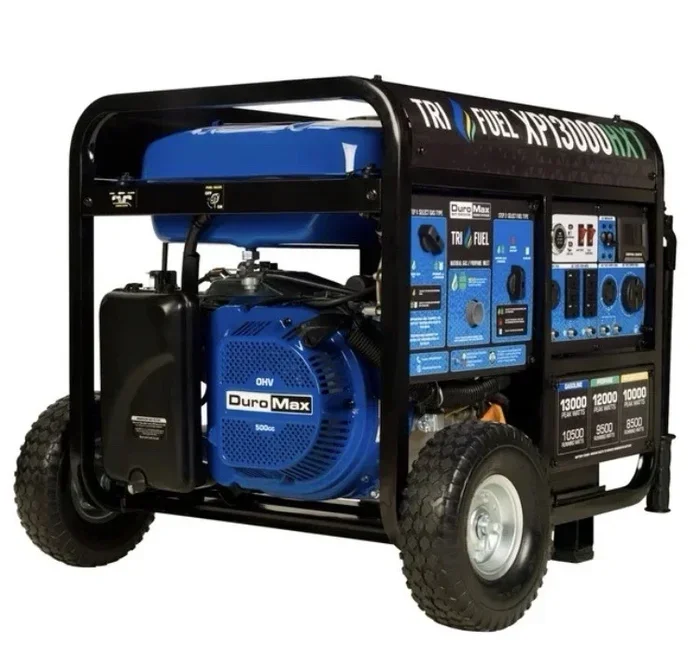
There are two main types of generators that homeowners use for backup power. Portable generators are smaller, run on gasoline or propane, and can be moved around easily. They typically range from 3,000 to 10,000 watts. Standby generators are larger, permanently installed outside your home, and kick on automatically when power goes out. They run on natural gas or propane and can power your entire house.
Portable generators are more affordable and easier to store. Standby generators cost more but offer greater convenience and capacity. Your choice depends on your budget, power needs, and how long outages typically last in your area.
Understanding Wattage and Load
Every generator has a wattage rating. This tells you how much electrical power it can produce at one time. Your home appliances also have wattage requirements. A refrigerator might need 700 watts to run but 2,200 watts to start. A furnace blower could draw 400 watts. A sump pump might need 1,300 watts.
To figure out your total load, add up the wattage of everything you want to run at the same time. Always choose a generator with a wattage rating higher than your total load. This prevents overloading, which can trip breakers, damage appliances, or harm the generator itself.
Your Home’s Electrical Panel
Your home has a main electrical panel that distributes power to every circuit. Understanding how this panel works helps you plan your generator connection. Most homes have a 200-amp panel, but older homes may have 100-amp or 150-amp panels. The panel size determines how much power your generator can safely feed into your home.
You should also know where your main breaker is located. This is the master switch that cuts power to the entire house. It plays a key role in safe generator operation, and we will talk more about it in the sections ahead.
The Transfer Switch: Your Best Option for Safe Connection
If you want the safest and most professional way to connect a generator to your house, a transfer switch is the answer. This device sits between your generator and your electrical panel. It allows you to switch your home’s power source from the utility grid to the generator without any risk.
What Is a Transfer Switch?
A transfer switch is an electrical device installed next to your main panel. It has a simple lever or knob that lets you choose between utility power and generator power. When the power goes out, you start the generator, plug it into the switch, and flip the lever. Your home now runs on generator power. When utility power returns, you flip the lever back and unplug the generator.
There are two types of transfer switches. A manual transfer switch requires you to operate it by hand. An automatic transfer switch detects power loss and starts the standby generator on its own. Automatic switches are convenient but cost more and require a standby generator.
Why a Transfer Switch Is Essential
The biggest reason to use a transfer switch is generator safety. Without a transfer switch, there is a risk of backfeeding. Backfeeding happens when generator power flows backward through your panel and into the utility lines. This can electrocute lineworkers who are trying to restore power. It can also fry your generator and your home wiring.
A transfer switch prevents backfeeding completely. It isolates your home from the grid when the generator is running. This protects you, your family, and the utility workers. Most local electrical codes require a transfer switch for any permanent generator connection. Check with your local building department before installation.
Installing a Transfer Switch
Installing a transfer switch is not a DIY job for most homeowners. You need a licensed electrician to handle the wiring and panel modifications. The electrician will install a dedicated circuit breaker in your panel for the generator. They will also mount the transfer switch near your panel and run wiring between the two.
The cost of a transfer switch installation typically ranges from $500 to $1,500, depending on your panel type and local labor rates. A manual transfer switch costs less than an automatic one. But the investment is well worth it for the peace of mind and safety it provides.
How to Use a Generator Inlet Box
An alternative to a full transfer switch is a generator inlet box. This device provides a convenient outdoor connection point for your generator cord. It is simpler to install and more affordable than a transfer switch, but it still offers a safe and practical solution.
What Is a Generator Inlet Box?
A generator inlet box is a small metal box mounted on the outside of your house. It has a special plug inside that matches the connector on your generator cord. You run a heavy-duty extension cord from the generator to the inlet box. Then you plug the cord into the inlet box, and power flows into your home through the wiring.
Inlet boxes come in different sizes and configurations. The most common types use a 30-amp or 50-amp twist-lock connector. The size you need depends on your generator’s output and the circuits you want to power.
Installing an Inlet Box
Installing an inlet box is easier than installing a transfer switch, but you should still hire a licensed electrician. The electrician will mount the box on an exterior wall, usually near your main panel. They will run a dedicated cable from the inlet box into the panel and connect it to a special breaker.
Some homeowners use an interlock kit instead of a transfer switch. An interlock kit is a mechanical device that prevents you from turning on the main breaker and the generator breaker at the same time. This prevents backfeeding and is a more affordable option than a full transfer switch. However, interlock kits do not offer the same convenience as a transfer switch.
Choosing the Right Inlet Box
When shopping for an inlet box, look for one that matches your generator’s output plug. If your generator has a 30-amp L14-30 plug, buy a 30-amp inlet box. If it has a 50-amp CS6375 plug, get a 50-amp inlet box. Using the wrong size can cause overheating and fire hazards.
Also, make sure the inlet box is rated for outdoor use. It should be weather-resistant and durable. Brands like Reliance Controls, Generac, and Reliance offer reliable options at different price points.
Step-by-Step: Plugging In Your Generator
Now that you understand the equipment, let us walk through the actual process of plugging in your generator. Whether you use a transfer switch, an inlet box, or a direct connection, the steps are similar. Follow each one carefully for a safe and successful setup.
Step 1: Read the Generator Manual
This sounds obvious, but many people skip it. Every generator is different, and the manufacturer provides specific instructions for safe operation. Read the manual before you do anything else. Pay attention to fuel requirements, oil capacity, starting procedures, and wattage limits.
Step 2: Position the Generator Safely
Place your generator outdoors, at least 20 feet from your house. The exhaust must point away from windows, doors, and vents. Carbon monoxide is a colorless, odorless gas that can kill you in minutes. Never run a generator in a garage, basement, or covered porch, even with the door open.
Set the generator on a level, dry surface. Use a generator tent or canopy if rain is expected, but never cover the unit while it is running. Keep the fuel tank away from any ignition sources, and let the engine cool before refueling.
Step 3: Connect the Generator Cord
Use a heavy-duty extension cord rated for outdoor use. The cord should match the amperage of your generator and inlet box. A 30-amp generator needs a 10-gauge cord rated for 30 amps. A 50-amp generator needs a 6-gauge cord rated for 50 amps.
Plug the cord into the generator first, then connect the other end to the inlet box or transfer switch. Make sure all connections are tight and secure. Never use a damaged or frayed cord. Inspect your cords regularly for wear and tear.
Step 4: Start the Generator
Turn on the fuel valve, set the choke, and pull the starter cord or press the electric start button. Let the generator run for a minute or two to warm up. Check the oil pressure light and listen for any unusual sounds. A healthy generator should run smoothly and quietly.
Step 5: Switch the Power Source
If you have a transfer switch, flip the lever to the generator position. If you have an inlet box, the power will flow into your panel once the cord is connected. Start with the most essential circuits first, such as the refrigerator, lights, and furnace blower.
Do not plug in every appliance at once. Add loads gradually and monitor the generator’s output. If the generator starts to stall or the lights dim, you may be overloading it. Turn off some devices and try again.
Step 6: Monitor and Maintain
While the generator runs, keep an eye on the fuel level, oil pressure, and load. Most generators have a wattage meter or LED display that shows current draw. Refuel only when the engine is cool, and never let the tank run completely dry.
When utility power returns, switch the transfer switch back to the utility position. Unplug the generator cord and let the generator cool before storing it. Run the generator for a few minutes under no load before putting it away for the season.
Safety Tips You Cannot Skip
Generator safety is not something to take lightly. A single mistake can lead to fire, electrocution, or carbon monoxide poisoning. Follow these rules every time you use your generator.
Carbon Monoxide Awareness
Carbon monoxide kills more people during power outages than the storm itself. Always run your generator outside and far from your home. Install carbon monoxide detectors on every floor of your house and test them monthly. If your detector alarms, get outside immediately and call emergency services.
Electrical Safety
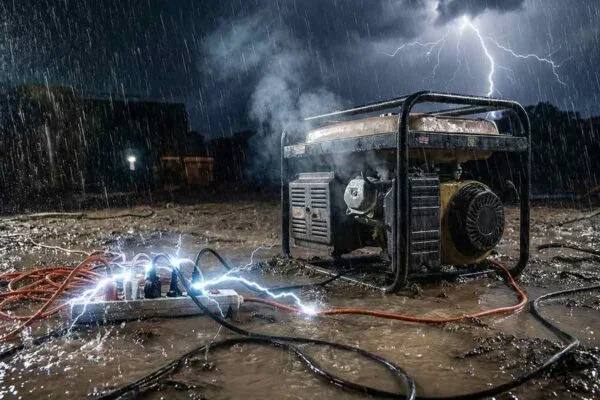
Never connect a generator directly to a wall outlet. This is called backfeeding, and it is extremely dangerous. Use a transfer switch, inlet box, or interlock kit instead. Make sure all connections are dry and protected from moisture. Wear rubber-soled shoes when handling generator cords.
Fire Prevention
Store fuel in approved containers away from the generator and your home. Wipe up any spilled fuel before starting the engine. Keep a fire extinguisher nearby, and never smoke near a running generator. Let the unit cool completely before storing it.
Grounding Your Generator
Most modern generators come with a grounding rod or grounding bolt. Check your manual to see if your generator needs a separate ground rod. Proper grounding protects you from electrical shock and prevents damage to your appliances.
Load Management
Do not exceed your generator’s rated wattage. Spread your loads across different circuits if possible. Use a watt meter to monitor your total draw in real time. If you are running a portable generator, prioritize essential circuits like refrigeration, medical equipment, and heating or cooling.
Common Mistakes to Avoid
Even experienced homeowners make mistakes when setting up a generator. Learning from other people’s errors saves you time, money, and risk. Here are the most common blunders and how to avoid them.
Using the Wrong Extension Cord
Not all extension cords are created equal. A thin, lightweight cord will overheat and melt when carrying heavy loads. Always use a cord rated for the amperage of your generator. Check the cord’s wire gauge and length before connecting anything.
Ignoring the Transfer Switch
Some homeowners skip the transfer switch to save money. This is a dangerous shortcut. Without a transfer switch, there is no way to prevent backfeeding. You put yourself, your family, and your neighbors at risk. Spend the money on a proper transfer switch or interlock kit.
Overloading the Generator
It is tempting to plug in everything at once during a power outage. But overloading causes the generator to shut down or, worse, overheat and start a fire. Make a list of essential loads before the outage and stick to it.
Forgetting to Maintain the Generator
A generator that sits unused for months can develop problems. Old fuel gum up the carburetor. Oil breaks down over time. Batteries lose charge. Run your generator under load for at least 15 minutes every month to keep it in good working order. Replace the oil and filter at least once per season.
Placing the Generator Too Close to the House
It might seem convenient to run the generator right next to the garage door, but this is a mistake. Exhaust fumes contain deadly carbon monoxide. Keep the generator at least 20 feet from any opening, including windows, doors, and vents. Point the exhaust away from your home and your neighbors’ homes.
Expert Insights on Generator Installation
We spoke with licensed electricians and generator technicians to get their top tips for homeowners. Here is what the experts want you to know.
Always hire a professional for panel modifications. Even if you are handy with tools, electrical work requires a license in most areas. A licensed electrician ensures your installation meets local codes and is safe for your family.
Invest in a transfer switch if you plan to use your generator often. The upfront cost is higher, but the safety, convenience, and code compliance make it worth it. Many homeowners find that a transfer switch pays for itself the first time it saves them from a costly electrical repair.
Test your setup before storm season. Do not wait for the first power outage to try your generator for the first time. Run it at least once a month and make sure everything works. This also gives you time to fix any problems before you really need the backup power.
Consider a whole-house standby generator for long outages. If you live in an area prone to extended blackouts, a standby generator is a game-changer. It powers your entire home automatically and runs on natural gas, so you never have to worry about refueling.
Key Takeaways
- Always use a transfer switch or interlock kit: This is the safest and most code-compliant way to connect a generator to your home’s electrical system.
- A generator inlet box makes plugging in easier: It provides a clean, permanent connection point outside your house for heavy-duty cords.
- Never backfeed through a wall outlet: This dangerous practice can electrocute utility workers and damage your wiring.
- Match your generator wattage to your load: Overloading a generator causes shutdowns and can damage both the unit and your appliances.
- Carbon monoxide is a silent killer: Always run your generator outdoors, far from windows, doors, and vents.
- Test your setup before you need it: A quick dry run before storm season ensures everything works when it matters most.
Conclusion
Learning how to plug in generator to house safely is one of the most valuable skills a homeowner can have. Power outages happen when we least expect them, and a properly connected generator keeps your family comfortable and safe. From transfer switches to inlet boxes, there are several ways to make the connection. The most important thing is to do it safely and according to code.
Never skip the transfer switch or interlock kit. Never backfeed through a wall outlet. And always run your generator outdoors in a well-ventilated area. These rules are not suggestions, they are requirements for your safety.
Take the time to understand your generator, your electrical panel, and your power needs. Invest in the right equipment, hire a licensed professional when needed, and test your setup regularly. When the next storm rolls through, you will be glad you did the work ahead of time. Stay prepared, stay safe, and keep your home powered no matter what comes your way.
Frequently Asked Questions
Can I plug a generator directly into a wall outlet?
No. Plugging a generator directly into a wall outlet is called backfeeding, and it is extremely dangerous. It can electrocute utility workers and damage your home wiring. Always use a transfer switch, generator inlet box, or interlock kit instead.
What size generator do I need for my house?
The size depends on your power needs. Add up the wattage of the appliances and circuits you want to run. A 5,000 to 7,500-watt portable generator can handle essentials like a refrigerator, lights, and a furnace blower. A 20,000-watt standby generator can power most of your home.
How far should a generator be from my house?
Place your generator at least 20 feet from your house. The exhaust must point away from windows, doors, and vents. Carbon monoxide is odorless and deadly, so distance and ventilation are critical for safety.
Do I need an electrician to install a generator?
Yes, for most installations. A licensed electrician should handle any panel modifications, transfer switch wiring, or inlet box installation. This ensures your setup meets local electrical codes and is safe for your family.
What is the difference between a transfer switch and an interlock kit?
A transfer switch is a dedicated device that switches your home between utility power and generator power. An interlock kit is a simpler, more affordable mechanism that prevents both breakers from being on at the same time. Both prevent backfeeding, but a transfer switch offers more convenience and flexibility.
How often should I test my generator?
You should test your generator at least once a month. Run it under load for 15 to 30 minutes to keep the engine and electrical components in good condition. Testing also lets you catch problems early, before you need the generator during a real emergency.