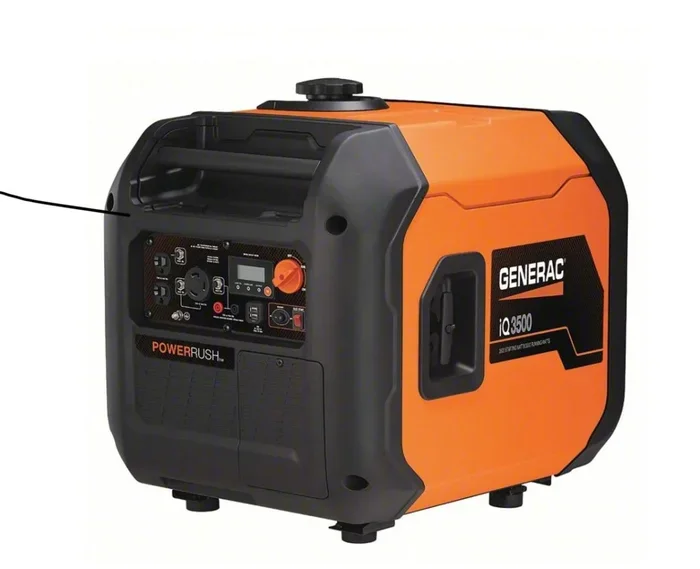
What Can a 5000 Watt Generator Run During Power Outages
A 5000 watt generator can power most essential household appliances during a blackout, from refrigerators and lights to sump pumps and small HVAC systems. Understanding running watts vs starting watts is the key to using your generator safely without tripping breakers. This guide breaks down exactly what a 5000 watt generator can handle, how to manage power loads, and practical tips for getting the most out of your backup power setup.
Power outages are more common than most people think. Storms, grid failures, and even wildlife can knock out electricity for hours or days. When the lights go out, a 5000 watt generator becomes your best friend. But here is the real question: what exactly can a 5000 watt generator run?
The answer depends on a few factors. The type of appliances you want to power, the starting watts needed, and how you manage your load all play a role. This guide will walk you through everything you need to know about using a 5000 watt generator during a power outage. You will learn what it can handle, what it cannot, and how to get the most from every gallon of fuel.
Whether you live in a house or an apartment, whether you need backup power for a few hours or several days, understanding your generator’s limits is essential. Let us dive in and make sure you are fully prepared for the next blackout.
Key Takeaways
- A 5000 watt generator handles essentials: fridge, lights, fans, sump pump, and small electronics comfortably.
- Starting watts matter: motor-driven appliances need extra power at startup, so plan accordingly.
- Power management is crucial: stagger heavy appliances to avoid overloading the generator.
- Fuel choice affects runtime: gasoline, propane, and dual-fuel options each have pros and cons.
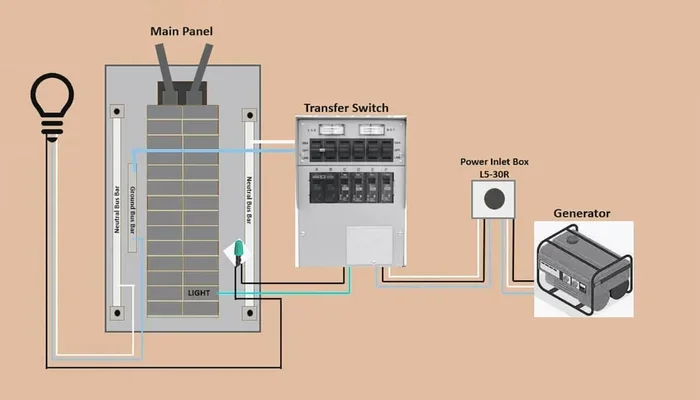
- A transfer switch adds safety: it prevents backfeeding and makes switching to generator power seamless.
- Know your wattage needs: add up appliance wattages before buying or running anything on the generator.
- Never overload the generator: it can damage both the generator and your appliances.
📑 Table of Contents
- How a 5000 Watt Generator Works
- What Household Appliances Can a 5000 Watt Generator Run
- Starting Watts vs Running Watts: Why It Matters
- Best Uses for a 5000 Watt Generator
- How to Choose the Right 5000 Watt Generator
- Common Mistakes People Make With a 5000 Watt Generator
- Quick Tips for Getting the Most From Your 5000 Watt Generator
- Conclusion
How a 5000 Watt Generator Works
Before we list what a 5000 watt generator can run, it helps to understand how it works. A generator converts fuel energy into electrical energy. The wattage rating tells you how much power the unit can produce at one time. A 5000 watt generator can supply up to 5000 watts of continuous power under normal conditions.
Running Watts vs Starting Watts
Here is where things get tricky. Some appliances need a burst of extra power to start up. This is called starting watts or surge watts. A refrigerator, for example, might use 700 running watts but need 2200 watts to start the compressor. A 5000 watt generator can handle that surge, but only if nothing else is drawing heavy power at the same time.
Running watts are the steady power an appliance uses once it is up and running. Most household devices fall into this category. Fans, lights, and phone chargers all use consistent, low levels of power. Motor-driven tools and compressors are the biggest offenders when it comes to starting watt spikes.
Fuel Types for a 5000 Watt Generator
Most 5000 watt generators run on gasoline. This is the most common fuel type and the easiest to find at any hardware store. However, propane and dual-fuel models are also popular. Propane burns cleaner and stores longer, which makes it great for emergency preparedness.
Dual-fuel generators let you switch between gasoline and propane. This gives you flexibility during a long outage. If you run out of gasoline, you can switch to propane and keep your essential appliances running. Each fuel type has its own runtime, so check the manufacturer’s specs before you buy.
What Household Appliances Can a 5000 Watt Generator Run
This is the section most people want to read. The truth is, a 5000 watt generator can power a surprising number of household items. Let us break it down by category so you can plan your power usage during an outage.
Kitchen Appliances
The kitchen is where most of your power-hungry devices live. Here is what a 5000 watt generator can handle in the kitchen:
- Refrigerator: about 700 running watts, 2200 starting watts. A must-have during any outage.
- Microwave: 1000 to 1200 watts. Great for quick meals and reheating leftovers.
- Coffee maker: 800 to 1200 watts. A morning essential for many households.
- Toaster: 800 to 1500 watts. Works fine but uses a lot of power at once.
- Dishwasher: 1200 to 2400 watts. Run it sparingly to save fuel.
- Electric stove burner: 1000 to 2000 watts per burner. One burner at a time is the safest approach.
The key here is power management. You probably cannot run the microwave, toaster, and coffee maker all at the same time. Stagger your usage. Run the coffee maker first, wait a few minutes, then use the microwave. This keeps your total load under 5000 watts.
Living Room and Electronics
Keeping your living room powered during an outage makes the experience much less stressful. A 5000 watt generator handles most entertainment and lighting needs easily:
- Television: 100 to 400 watts depending on size and type.
- Laptop: 50 to 100 watts. Perfect for working from home during an outage.
- Phone chargers: 5 to 20 watts each. Very low power draw.
- Tablet charger: 10 to 25 watts.
- Wi-Fi router: 5 to 20 watts. Keep your internet alive if possible.
- LED lights: 5 to 15 watts per bulb. A string of LED lights uses very little power.
- Fan: 50 to 100 watts. Helps with cooling in warm weather.
These devices add up, but they are nowhere near the 5000 watt limit. You could run a TV, a laptop, several phone chargers, a few LED lights, and a fan all at the same time with plenty of power left over.
Heating and Cooling
Temperature control is one of the biggest concerns during a power outage. Here is what a 5000 watt generator can do for heating and cooling:
- Window air conditioner: 500 to 1500 running watts, 2000 to 3000 starting watts. A small window unit works well on a 5000 watt generator.
- Space heater: 750 to 1500 watts. But be careful. A space heater plus other appliances can quickly eat up your wattage.
- Sump pump: 800 to 1300 running watts, 2000 to 2900 starting watts. Critical for basement flood prevention.
- Central HVAC fan: 500 to 700 watts for the blower. The compressor draws much more, so a full central AC unit usually exceeds 5000 watts.
A small window AC unit in one room is a smart choice. It keeps you comfortable without draining the generator. A space heater can warm a small area efficiently. Just remember to keep the total load balanced.
Laundry and Workshop Tools
If you need to run laundry or workshop tools during an outage, a 5000 watt generator can handle some of these, but not all at once:
- Washing machine: 500 to 1200 watts. Runs at moderate power.
- Dryer: 1800 to 5000 watts. A full electric dryer will likely overload a 5000 watt generator. Gas dryers are a better choice.
- Drill: 500 to 1000 watts. Works great on a portable generator.
- Circular saw: 1200 to 1800 watts starting. Manageable but uses a big chunk of your capacity.
- Air compressor: 1000 to 2000 watts starting. Use it one tool at a time.
For workshop use, prioritize one tool at a time. Do not try to run a saw and a compressor simultaneously. You will trip the generator or risk damaging your equipment.
Starting Watts vs Running Watts: Why It Matters
This topic deserves its own section because it trips up so many people. A 5000 watt generator does not mean you can plug in 5000 watts of appliances and expect smooth operation. The starting watt demand of motor-driven appliances can exceed the generator’s capacity, even if the running watts are well within limits.
Appliance Starting Wattage Examples
Here are some real-world examples of starting watts for common appliances. Keep these numbers in mind when planning your power usage:
- Refrigerator: 2200 starting watts, 700 running watts
- Freezer: 2000 starting watts, 500 running watts
- Window AC unit (10,000 BTU): 3000 starting watts, 1000 running watts
- Sump pump: 2900 starting watts, 1300 running watts
- Well pump: 2000 to 3500 starting watts, 800 to 1500 running watts
- Garbage disposal: 1400 starting watts, 400 running watts
As you can see, a refrigerator and a sump pump starting at the same time would need 5100 watts combined. That exceeds a 5000 watt generator’s surge capacity. This is why power management and staggering appliance startups are so important.
How to Calculate Your Total Load
Follow these steps to calculate your total power needs during an outage:
- List every appliance you want to run.
- Find the running watts and starting watts for each one. Check the label or manual.
- Add up all the running watts.
- Identify the highest single starting wattage among your appliances.
- Add that highest starting wattage to the total running watts.
- If the result is under 5000, you are good to go.
This simple calculation prevents overloads and keeps your generator running safely. Many people skip this step and then wonder why their generator shuts off unexpectedly. A little planning goes a long way.
Best Uses for a 5000 Watt Generator
A 5000 watt generator shines in specific scenarios. It is not meant to power an entire house, but it can keep your most essential systems running during an outage. Here are the best use cases.
Home Backup for Essentials
Most homeowners use a 5000 watt generator to keep critical systems alive. This includes the refrigerator, a few lights, the furnace blower, and a sump pump. This setup covers the basics and keeps food safe and the basement dry.
You can also run a window AC unit in one room, a television, and charge your devices. It is not the same as full power, but it makes a power outage much more bearable. The key is to focus on what you truly need and avoid plugging in unnecessary devices.
RV and Camping Power
A 5000 watt generator is a popular choice for RV owners. It can run an RV air conditioner, microwave, refrigerator, and all the charging ports for phones and laptops. It provides enough power for comfortable camping without being too heavy to tow.
Many RVers prefer dual-fuel models for longer trips. Propane is easier to store and find at campgrounds, while gasoline gives you more flexibility at gas stations. A 5000 watt unit strikes a great balance between power and portability.
Job Site Power
Contractors and DIY enthusiasts love the versatility of a 5000 watt generator. It can power several tools at a job site, including saws, drills, sanders, and air compressors. You just need to be smart about running them one at a time or in small combinations.
For job site use, consider a generator with a strong frame and good wheel system. You will be moving it around, and portability matters. Look for models with built-in outlets for both 120V and 240V tools if needed.
How to Choose the Right 5000 Watt Generator
Not all 5000 watt generators are created equal. There are important differences between models that affect performance, runtime, and noise level. Here is what to look for when shopping.
Inverter vs Conventional Generators
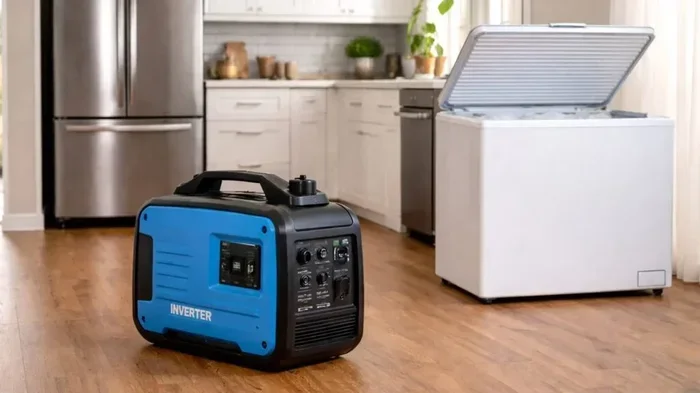
Inverter generators produce cleaner, more stable power. They are ideal for sensitive electronics like laptops, TVs, and smartphones. They are also quieter and more fuel-efficient. The downside is that they usually cost more than conventional models.
Conventional generators are more affordable and often offer higher raw wattage. They work well for heavy-duty appliances and tools. However, the power output is less stable, which can be a concern for delicate electronics.
For most households, an inverter-style 5000 watt generator is the better choice. The clean power protects your appliances, and the quiet operation is a bonus during long outages.
Runtime and Fuel Tank Size
Runtime matters more than you might think. A generator that runs for only 4 hours on a tank of gas will need constant refueling during a long outage. Look for models that offer at least 8 to 12 hours of runtime at 50% load.
Some 5000 watt generators come with large fuel tanks or the option to connect an external fuel tank. This extends runtime significantly and reduces the need for constant refueling. Check the runtime specs before you buy.
Noise Level
Nobody wants a loud generator disrupting the neighborhood during an outage. Modern inverter models run at around 50 to 60 decibels, which is about as loud as a normal conversation. Conventional generators can exceed 70 decibels, which is noticeable and potentially annoying.
If noise is a concern, look for generators rated at 60 decibels or lower. Many manufacturers list the noise level in the product specifications. A quieter generator also means fewer complaints from neighbors if you need to run it for extended periods.
Common Mistakes People Make With a 5000 Watt Generator
Even experienced users make mistakes when operating a 5000 watt generator. Avoid these common errors to stay safe and get the most from your unit.
Overloading the Generator
The most common mistake is plugging in too many appliances at once. People see a 5000 watt rating and assume they can use all 5000 watts continuously. But starting watts, cable losses, and inefficiencies mean you should stay at 80% capacity or below. That gives you a safe operating limit of about 4000 watts.
Skipping the Transfer Switch
Plugging a generator directly into your home’s outlets is dangerous and often illegal. It can backfeed electricity into the grid, creating a lethal hazard for utility workers. A transfer switch connects the generator safely to your home’s electrical panel. It is a worthwhile investment for anyone who plans to use a generator regularly.
Running a Generator Indoors
This cannot be stressed enough. A generator must always be operated outdoors, at least 20 feet from your home. Carbon monoxide from the exhaust is deadly and has no smell or color. Never run a generator in a garage, basement, or shed, even with the door open.
Neglecting Maintenance
A 5000 watt generator needs regular maintenance to perform when you need it most. Change the oil after every 50 hours of use. Replace the air filter annually. Use fuel stabilizer if you store the generator for long periods. A well-maintained generator starts reliably and runs efficiently.
Quick Tips for Getting the Most From Your 5000 Watt Generator
Here are some practical tips that will help you use your generator smarter and safer:
- Make a power plan before the outage: Know which appliances you will run and in what order.
- Use a wattage meter: Plug it into an outlet to see real-time power usage of each device.
- Start with the heaviest loads first: Give motor-driven appliances time to start up before adding smaller devices.
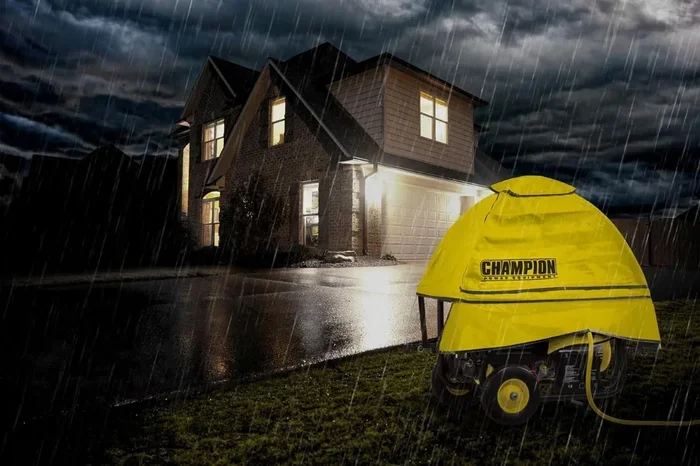
- Keep the generator dry: Operate it on a dry surface and use a generator tent or canopy in rainy conditions.
- Store fuel safely: Use approved containers and keep fuel away from the generator while it runs.
- Let the generator warm up: Run it for a minute before plugging in appliances.
- Monitor the fuel level: Refuel when the tank is at a quarter full to avoid running dry.
Conclusion
A 5000 watt generator is a versatile and reliable tool for handling power outages. It can run your refrigerator, lights, sump pump, window AC unit, electronics, and several smaller appliances without breaking a sweat. The key is understanding your wattage needs and managing your load wisely.
Remember to always check starting watts for motor-driven appliances, stagger heavy loads, and never exceed the generator’s capacity. With the right setup and a little planning, a 5000 watt generator keeps your home comfortable and safe during even the longest blackout.
Take the time now to make a power plan. Know what you need to run, calculate your total wattage, and invest in a quality unit that fits your needs. Preparation today means peace of mind tomorrow when the power goes out.
Frequently Asked Questions
Can a 5000 watt generator run a central air conditioner?
Most central AC units require more than 5000 watts to start and run. A 5000 watt generator can handle a small window AC unit or the fan portion of a central system, but it typically cannot power a full central air conditioner with the compressor running. Check the specific wattage requirements of your AC unit before attempting.
How long can a 5000 watt generator run continuously?
Runtime depends on the fuel tank size and load. Most 5000 watt generators run for 8 to 12 hours at 50% load on a full tank. Running at full capacity reduces runtime significantly. Always monitor your fuel level and refuel when the tank reaches a quarter full.
Can I run a refrigerator and a microwave on a 5000 watt generator at the same time?
Yes, but with caution. A refrigerator uses about 700 running watts with a 2200 starting watt surge. A microwave uses 1000 to 1200 watts. Together they are within the 5000 watt limit, but you should not run other heavy appliances simultaneously. Stagger the microwave and fridge compressor startup to avoid exceeding surge capacity.
Is a 5000 watt generator enough for a house during a power outage?
A 5000 watt generator can power essential circuits in a house, such as the refrigerator, lights, sump pump, and a few electronics. It cannot run an entire house with all appliances, heating systems, and multiple air conditioners. It is best used for selective backup power to keep the most critical systems running.
What is the difference between a 5000 watt generator and a 7500 watt generator?
A 7500 watt generator can handle more appliances at once, including larger air conditioners, electric water heaters, and multiple heavy-duty tools. A 5000 watt generator is more portable, affordable, and fuel-efficient. It is ideal for essentials and smaller loads, while a 7500 watt unit suits households with higher power demands.
Do I need a transfer switch for my 5000 watt generator?
Yes, a transfer switch is strongly recommended. It connects the generator safely to your home’s electrical panel and prevents backfeeding into the grid, which is dangerous for utility workers. A transfer switch also makes switching between grid power and generator power seamless and convenient during an outage.