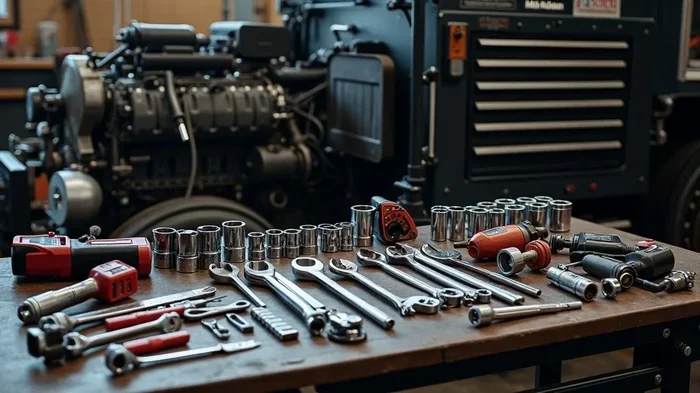
What Tools Does a Diesel Mechanic Need for Success
Every diesel mechanic needs a solid set of hand tools, power tools, diagnostic equipment, and heavy-duty gear to do the job right. The right tools make repairs faster, safer, and more efficient. This guide covers the must-have tools for any diesel technician, from beginner to pro.
Key Takeaways
- Hand tools are the foundation: A quality wrench set, socket set, and screwdrivers are non-negotiable for any diesel mechanic.
- Power tools save time and effort: Impact wrenches, air tools, and grinders handle the heavy-duty jobs that hand tools cannot.
- Diagnostic equipment is essential for modern diesel engines: Scan tools, multimeters, and electrical testers help you troubleshoot complex systems.
- Heavy-duty equipment handles big jobs: Engine hoists, hydraulic tools, and presses are needed for major repairs and overhauls.
- Organization matters just as much as the tools themselves: A good tool chest and proper maintenance keep your workspace efficient.
- Invest in quality over quantity: Durable tools from trusted brands last longer and perform better on the job.
📑 Table of Contents
- What Tools Does a Diesel Mechanic Need for Success
- Essential Hand Tools Every Diesel Mechanic Needs
- Power Tools That Make Diesel Work Easier
- Diagnostic Equipment for Modern Diesel Engines
- Heavy-Duty Equipment for Big Jobs
- Organizing and Maintaining Your Tool Collection
- Quick Tips for Building Your Diesel Mechanic Tool Kit
- Common Mistakes Diesel Mechanics Make With Their Tools
- Expert Insights on Building a Professional Tool Collection
- Final Thoughts on the Tools a Diesel Mechanic Needs
What Tools Does a Diesel Mechanic Need for Success
Working on diesel engines is demanding. These machines are tough, powerful, and complex. They need a mechanic who shows up prepared with the right gear. What tools does a diesel mechanic need to thrive in this trade? The answer goes far beyond a basic wrench and a screwdriver.
A diesel mechanic needs a full toolkit that covers everything from simple bolt tightening to advanced electronic diagnostics. Whether you are just starting out or looking to upgrade your existing setup, having the right tools makes all the difference. Diesel mechanic tools are not one-size-fits-all. They depend on the type of work you do, the vehicles you service, and your level of experience.
This guide breaks down every category of tools a diesel technician should own. We will walk through hand tools, power tools, diagnostic equipment, heavy-duty gear, and storage solutions. By the end, you will have a clear roadmap for building a complete and professional tool collection.
Essential Hand Tools Every Diesel Mechanic Needs
Hand tools are the backbone of any mechanic’s work. They are always there when you need them. They do not need electricity or compressed air. A diesel mechanic cannot skip this category. Hand tools for diesel mechanics form the foundation of every repair job.
Wrenches and Sockets
A good set of wrenches and sockets is the first thing you should buy. Diesel engines use large, heavy bolts. You need the right sizes to avoid stripping them. A socket set with both standard and metric sizes is essential.
Here is what you should have in your wrench collection:
- A combination wrench set from 8mm to 36mm
- Deep socket sets in standard and metric
- Open-end wrenches for tight spaces
- A torque wrench for precision tightening
- Breaker bars for stubborn bolts
- Allen keys and hex sockets
Pro tip: Invest in a quality torque wrench. Diesel engines have specific torque specs. Over-tightening can crack bolts or warp components. Under-tightening can cause parts to come loose during operation.
Screwdrivers and Pliers
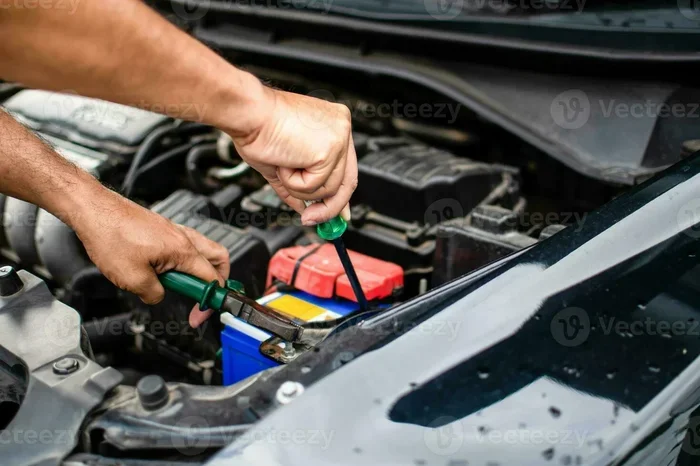
You also need a solid collection of screwdrivers and pliers. Diesel engines have plenty of screws and clips. A screwdriver set with both flathead and Phillips tips covers most jobs. Needle-nose pliers help you reach into tight spots. Locking pliers are great for gripping slippery bolts.
Do not overlook the small stuff. Snap ring pliers, wire strippers, and cable tools all have their place in a diesel repair toolkit. These small tools save you time and frustration on the job.
Power Tools That Make Diesel Work Easier
Diesel engines are not easy to work on by hand alone. Power tools for diesel mechanics speed up the job and reduce fatigue. They handle the tough jobs that hand tools simply cannot do efficiently.
Impact Wrenches and Air Tools
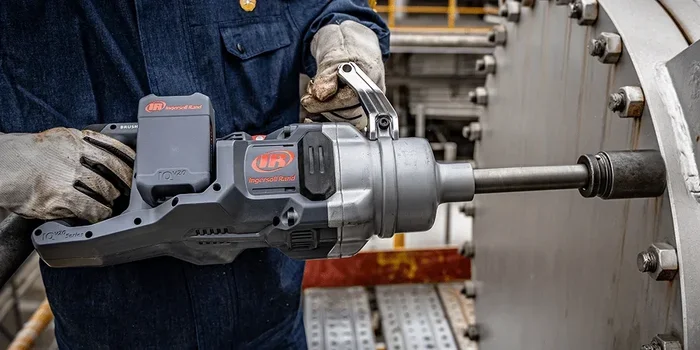
An impact wrench is a diesel mechanic’s best friend. It delivers high torque with minimal effort. You use it to loosen lug nuts, remove engine bolts, and tackle stuck fasteners. Both pneumatic and cordless options work well.
Pneumatic impact wrenches run on compressed air. They are powerful and lightweight. If you use an air compressor in your shop, you already know how important it is. What oil does an air compressor take is a common question among mechanics who want to keep their equipment running smoothly.
Here are the power tools you should consider adding to your collection:
- A 1/2-inch impact wrench for heavy-duty tasks
- A 3/8-inch impact wrench for lighter jobs
- A pneumatic drill for boring holes
- A die grinder for cutting and grinding
- A pneumatic ratchet for tight spaces
Air tools connect to your shop compressor. How does a 2 stage compressor work is worth understanding if you run a busy shop. Two-stage compressors deliver more air pressure and run cooler. They are ideal for shops that use pneumatic tools all day long.
Drills and Grinders
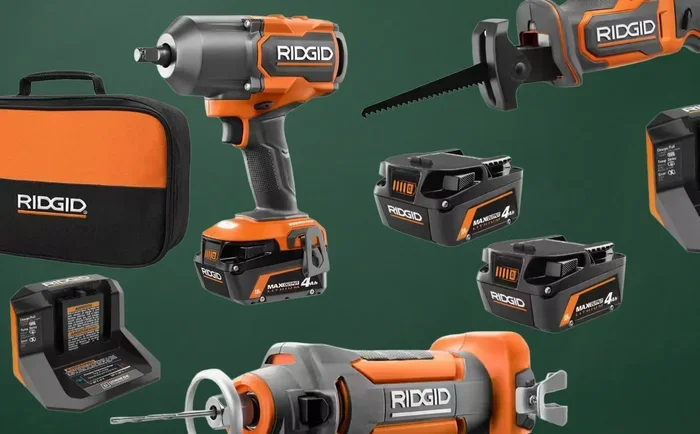
A cordless drill is a versatile addition to any mechanic’s cart. You use it for drilling holes, driving screws, and even removing bolts with the right bit. Angle grinders are perfect for cutting metal, grinding welds, and shaping parts.
When choosing power tools, look for durability. Diesel shop environments are harsh. Tools take a beating from daily use. Choose brands known for lasting performance and strong warranties.
Diagnostic Equipment for Modern Diesel Engines
Modern diesel engines are controlled by computers. They have sensors, filters, and electronic systems that older engines never had. Diagnostic tools for diesel mechanics are no longer optional. They are a necessity.
Scan Tools and Diagnostic Software
A good scan tool reads fault codes from the engine control module. It tells you what is wrong without guessing. Diesel diagnostic scanners range from basic code readers to advanced multi-system tools.
Here are the diagnostic tools every diesel mechanic should own:
- A diesel-specific OBD-II scan tool
- A multi-meter for electrical testing
- A pressure gauge set for fuel and oil systems
- A diagnostic software subscription for your laptop
- A diesel emission analyzer
Investing in a quality scan tool pays for itself quickly. It helps you diagnose problems in minutes instead of hours. Many professional shops use advanced software that covers multiple engine brands and models.
Multimeters and Electrical Testing
Diesel engines rely heavily on electrical systems. Glow plugs, fuel injectors, and sensors all need proper voltage to work. A digital multimeter is your go-to tool for checking circuits, testing sensors, and verifying connections.
You should also have a wiring diagram manual for the engines you work on. Electrical problems can be tricky. The right testing tools help you trace issues quickly and accurately. Compressor short cycling is one example of an electrical issue that can affect shop equipment too, so understanding diagnostics helps across the board.
Heavy-Duty Equipment for Big Jobs
Some diesel repairs require more than just wrenches and scanners. Large engines need lifting, pressing, and heavy support. Heavy-duty mechanic tools handle these demanding tasks safely and efficiently.
Engine Hoists and Stands
An engine hoist is essential for removing and installing diesel engines. These engines are extremely heavy. A hydraulic hoist lifts them safely off the vehicle frame. You should also have a sturdy engine stand to hold the engine while you work on it.
When choosing a hoist, consider the weight capacity. Most diesel engines weigh between 1,000 and 3,000 pounds. A hoist rated for at least 3,500 pounds gives you a safe margin.
Hydraulic Tools and Presses
Hydraulic tools make light work of heavy-duty jobs. A hydraulic press helps you press bearings, bushings, and gears. Hydraulic bolt stretchers remove bolts that are completely seized. These tools save your hands and your time.
Other heavy-duty equipment worth considering includes:
- A hydraulic floor jack rated for diesel vehicles
- Jack stands for safe lifting
- A diesel injector puller set
- A valve spring compressor
- A piston ring compressor
These tools are not cheap. But they are necessary if you want to handle serious diesel repairs. Many mechanics start with the essentials and build their collection over time.
Organizing and Maintaining Your Tool Collection
Having great tools is only half the battle. Keeping them organized and in good shape is just as important. A messy workspace slows you down. It also increases the risk of losing or damaging your tools.
Tool Chests and Storage Solutions
A quality tool chest is the centerpiece of any mechanic’s workspace. Look for one with deep drawers that hold full-size socket sets. Rolling tool carts are also great for moving your tools around the shop.
Consider these storage options:
- A top chest for frequently used tools
- A rolling cart for mid-sized equipment
- A wall rack for hanging wrenches and impact guns
- Drawer organizers for small parts and bits
- A separate cabinet for diagnostic equipment
Label everything. When your tools have a designated spot, you always know where to find them. This simple habit saves hours of searching during a busy workday.
Tool Maintenance Tips
Tools last longer when you take care of them. Keep your wrenches clean and free of rust. Wipe down pneumatic tools after each use. Check your air-powered tools for leaks and worn parts regularly.
Here are some simple maintenance habits that pay off:
- Clean your tools after every job
- Lubricate moving parts weekly
- Check air hoses for cracks or leaks
- Store tools in a dry environment
- Sharpen cutting tools regularly
- Replace worn sockets before they damage bolts
Taking five minutes at the end of each day to clean and organize your workspace goes a long way. Your tools will last for years, and your work will always be efficient.
Quick Tips for Building Your Diesel Mechanic Tool Kit
Building a complete tool kit takes time and money. You do not need to buy everything at once. Here are some quick tips to guide your purchases:
- Start with the essentials. Get a solid socket set, a torque wrench, and a good impact wrench first. These tools handle the majority of jobs you will encounter.
- Buy quality over quantity. A few high-quality tools outperform a drawer full of cheap ones. Look for brands with strong reputations in the industry.
- Think about the engines you work on. Different diesel engines have different needs. A truck mechanic may need different tools than a generator technician.
- Invest in diagnostic equipment early. Modern diesel engines are electronic. A good scan tool helps you work smarter, not harder.
- Organize as you go. Add storage solutions when you buy new tools. This prevents clutter from building up.
Common Mistakes Diesel Mechanics Make With Their Tools
Even experienced mechanics sometimes make tool-related mistakes. Avoiding these pitfalls keeps your tools in great shape and your work efficient.
Using the wrong size socket is one of the most common mistakes. It strips bolts and damages fasteners. Always match your socket to the bolt size exactly. Do not force a socket that does not fit.
Skipping tool maintenance is another big mistake. Dirty, rusty tools do not work as well. They can also damage the parts you are working on. A little regular maintenance goes a long way.
Buying cheap tools to save money often backfires. Low-quality tools break quickly, and you end up spending more to replace them. Invest in durable tools from trusted brands and you will save money over time.
Ignoring safety equipment is a mistake no mechanic should make. Gloves, safety glasses, and steel-toe boots protect you on the job. The right tools keep you safe while you work.
Expert Insights on Building a Professional Tool Collection
Experienced diesel mechanics know that your tools reflect your skill. A well-organized, complete toolkit gives you confidence on every job. It also helps you work faster and charge less time per repair.
Many veteran technicians recommend starting with a core set and expanding from there. Focus on the tools you use most often. As you gain experience, you will discover which additional tools make your work easier. Over time, your collection will grow into a professional-grade setup.
One piece of advice from seasoned mechanics: Always keep a spare set of common sockets and wrenches. Having backups means you never have to stop work because a tool is missing or broken.
Another expert tip is to attend trade shows and tool expos. These events let you test new tools before buying them. You can also find deals on high-quality equipment that would cost more through regular retail channels.
Final Thoughts on the Tools a Diesel Mechanic Needs
The question of what tools a diesel mechanic needs has a clear answer. You need a strong foundation of hand tools, a set of reliable power tools, modern diagnostic equipment, and heavy-duty gear for big jobs. Add good organization and regular maintenance, and you have everything you need to succeed.
Building your tool collection is a journey. Start with the essentials and grow your kit as your skills and job demands expand. Quality tools are an investment in your career. They make every job easier, faster, and more profitable.
Take the time to evaluate your current setup. Identify what you are missing and prioritize those purchases. A well-equipped mechanic is a confident mechanic. And confidence on the job leads to better results and happier customers.
Stay curious, keep learning, and never stop upgrading your toolkit. The diesel industry keeps evolving, and your tools should keep up with it. With the right equipment and the right knowledge, there is no limit to what you can achieve as a diesel mechanic.
Frequently Asked Questions
What is the most important tool for a diesel mechanic?
A quality socket set and torque wrench are the most important tools. You use them on nearly every job. They form the foundation of any diesel mechanic tool kit and handle the majority of repairs you will encounter daily.
How much should a diesel mechanic spend on tools?
Budget varies by experience level. Beginners should start with $500 to $1,500 for essential hand and power tools. As you take on more complex jobs, you will need to invest in diagnostic equipment and heavy-duty gear. Quality tools are an investment that pays off over time.
Do diesel mechanics need special diagnostic tools?
Yes, modern diesel engines rely on electronic systems. A diesel-specific scan tool and a digital multimeter are essential. These diagnostic tools for diesel mechanics help you read fault codes, test sensors, and troubleshoot electrical problems quickly and accurately.
Can I use regular mechanic tools on diesel engines?
Many hand tools are the same for both gasoline and diesel engines. However, diesel engines often require heavier-duty tools because of larger bolts and higher torque demands. Always check the specifications for the engine you are working on.
How often should I replace my mechanic tools?
Quality tools can last for decades with proper care. Replace worn sockets, damaged impact bits, and frayed air hoses as needed. Regular tool maintenance extends the life of your equipment and keeps your work efficient.
What brand of tools is best for diesel mechanics?
Popular brands among diesel mechanics include Snap-on, Craftsman, Mac Tools, and Proto. These brands offer durability and strong warranties. Choose tools that fit your budget and the demands of the work you do regularly.
=== CONCLUSION ===
Having the right tools for diesel mechanics is the key to success in this trade. From basic hand tools to advanced diagnostic equipment, every category plays an important role. Build your collection thoughtfully, maintain your tools regularly, and never stop learning. The right setup makes you faster, safer, and more confident on every job. Start with the essentials, expand as you grow, and enjoy the satisfaction of a job well done with the perfect tools in your hands.