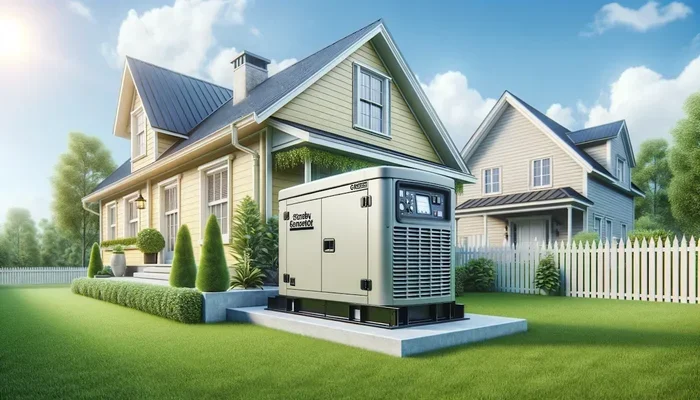
Where to Place a Generator Outside for Maximum Safety
Placing your generator in the right spot is one of the most important safety decisions you will make. This guide covers everything you need to know about where to place a generator outside, from proper distance requirements to weather protection and ventilation tips. You will learn practical advice, common mistakes, and expert insights to keep your family and home safe during every power outage.
Power outages can happen without warning. Storms, ice, or even simple grid failures can leave your home in the dark for hours or even days. When the lights go out, a generator becomes your lifeline. But here is the thing most people overlook: where to place a generator outside matters just as much as the generator itself. A poorly placed generator can be dangerous, inefficient, and even illegal. In this guide, we will walk you through everything you need to know about generator placement outside your home. You will learn the safest spots, the right distances, weather tips, and common mistakes to avoid. Let us get started.
Many homeowners buy a great generator but then make costly placement mistakes. They place it too close to the house, forget about ventilation, or leave it exposed to the elements. These errors can lead to carbon monoxide poisoning, fire hazards, and expensive damage to the unit. Proper generator placement outside is not just about convenience. It is about protecting your family, your home, and your investment. This article will give you clear, actionable advice on where to place a generator outside so you can feel confident and safe every time you fire it up.
Key Takeaways
- Keep generators at least 20 feet from your house to prevent carbon monoxide from entering your living space.
- Choose a flat, dry, and well-ventilated area away from windows, doors, and air vents.
- Always protect your generator from rain and moisture with a proper cover or ventilated enclosure.
- Check local regulations and permits before finalizing your generator placement outside.
- Never place a generator near air intakes or open windows to avoid deadly fumes entering your home.
- Use a generator pad or concrete slab to reduce noise, vibration, and keep the unit stable.
- Store fuel away from the generator in approved containers at least 20 feet from the unit.
📑 Table of Contents
- Why Generator Placement Matters
- Best Locations to Put a Generator Outside
- How Far Should a Generator Be From Your House
- Weather Protection and Generator Placement
- Common Mistakes to Avoid When Choosing a Generator Spot
- Expert Tips for Safe Generator Placement
- Comparing Generator Placement Options
- Final Thoughts on Generator Placement
Why Generator Placement Matters
You might wonder why the exact spot for your generator makes such a big difference. The truth is, generator placement outside affects safety, performance, and even your neighbors. A generator that is in the wrong place can send deadly fumes into your home, create noise complaints, or suffer damage from rain and debris. Let us break down why this decision deserves your full attention.
Safety First: Carbon Monoxide Risks
The biggest danger of a poorly placed generator is carbon monoxide, or CO. This gas is invisible and odorless. It can build up quickly and become lethal within minutes. Generators produce a significant amount of CO when they run. If you place your generator too close to windows, doors, or air vents, that poisonous gas can seep right into your living space. Outdoor generator safety starts with keeping the exhaust far away from any entry points to your home. Always remember that CO does not need a strong wind to travel indoors. Even on a calm day, it can find its way through small gaps and cracks in your walls and windows.
Performance and Efficiency
Where you place your generator also affects how well it works. A generator needs fresh air to run properly. If it is surrounded by walls, fences, or dense bushes, it may not get enough airflow. This can cause the engine to overheat, reduce its lifespan, and lower the power output. Proper generator ventilation requirements ensure the unit runs cool and efficient. Think of it like a person trying to breathe in a crowded, stuffy room. Your generator needs open space on all sides to breathe and perform at its best.
Protecting Your Investment
A generator is a significant investment. A portable unit might cost a few hundred dollars, while a standby or whole house generator can run into thousands of dollars. Placing your unit in a spot exposed to rain, standing water, or debris can cause serious damage over time. Rust, electrical shorts, and engine problems can all result from poor placement. Taking the time to find the right generator location outside will help your unit last for years and save you money on repairs and replacements.
Best Locations to Put a Generator Outside
Now that you understand why placement matters, let us talk about the best spots. There is no one-size-fits-all answer, but there are some general rules that apply to most homes. Here are the top locations to consider for where to place a generator outside.
On the Side of the House Away from Windows
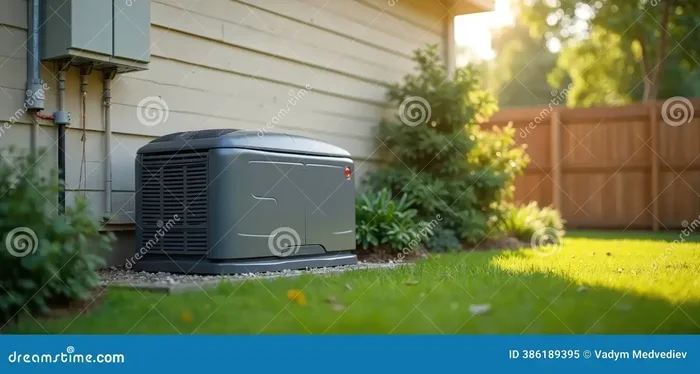
This is often the most practical spot for many homeowners. Choose the side of your house that has the fewest windows, doors, and vents. The back of the house is usually a great choice because it is away from where people gather. This spot also makes it easier to run extension cords or a transfer switch into the home. Just make sure the area is open and well-ventilated. Generator placement outside on the side of the house works well as long as you maintain proper distance from any openings and keep the exhaust pointed away from the building.
In the Backyard, Away from Property Lines
If you have a large backyard, placing your generator there can be an excellent option. It keeps the unit far from windows and doors on all sides. It also reduces noise inside the house. However, you need to be mindful of local setback requirements. Many cities require generators to be a certain distance from property lines, fences, and neighboring structures. Check your local generator setback requirements before you settle on a backyard spot. A good rule of thumb is at least five feet from property lines and 20 feet from any building or structure.
On a Concrete Pad or Generator Platform
Elevating your generator on a generator pad or concrete slab offers several benefits. It keeps the unit level, which helps with oil and fuel distribution. It also protects the generator from standing water during rain or flooding. A pad reduces vibration and noise, which is great for both you and your neighbors. You can build a simple concrete pad or buy a pre-made generator platform. Just make sure the pad is in a well-ventilated area and not trapped between walls or fences. A level surface also prevents fuel from pooling unevenly and reduces the risk of leaks.
Under a Covered Porch or Generator Enclosure
Rain and moisture are enemies of any generator. Placing your unit under a covered porch or inside a generator enclosure can protect it from the elements. However, there is a catch: the cover must not restrict airflow. A generator needs plenty of open space around it to breathe. If you use an enclosure, make sure it has open sides or ventilation holes. Never enclose a generator completely while it is running. The exhaust gases need somewhere to go safely, and a sealed enclosure can cause heat buildup and carbon monoxide accumulation.
How Far Should a Generator Be From Your House
Distance is one of the most critical factors in generator placement outside. Too close and you risk carbon monoxide entering your home. Too far and you may struggle with power cords and lose efficiency. Here is what you need to know about getting the distance right for your setup.
The 20-Foot Rule
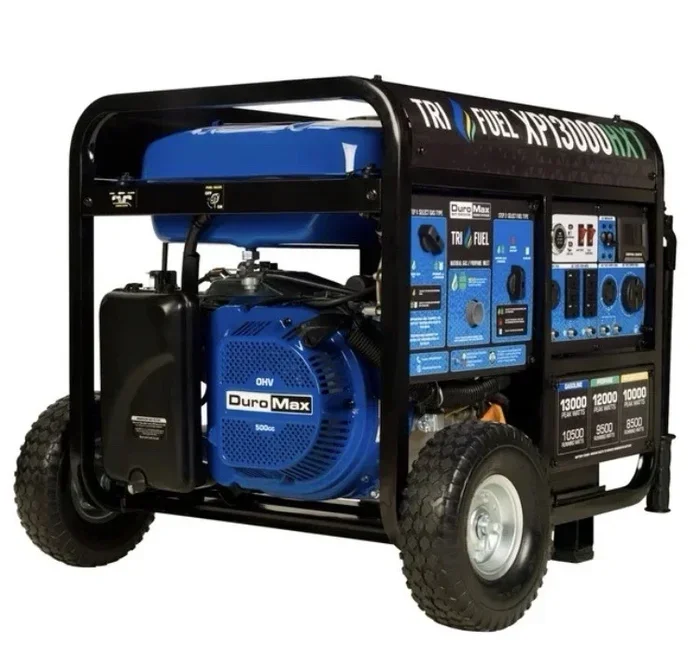
The most widely recommended guideline is to place your generator at least 20 feet away from your house. This distance helps prevent CO from reaching windows, doors, and vents. The exhaust should point away from the home and any neighboring properties. If you have a portable generator, this 20-foot rule is especially important because these units tend to be used closer to the house for convenience. Resist the temptation to place it closer just to shorten your extension cords. Safety always comes first, and a few extra feet of cord length is a small price to pay for peace of mind.
Local Building Codes and Regulations
While 20 feet is a good general rule, your local area may have specific generator placement regulations you need to follow. Many municipalities have their own setback requirements, noise ordinances, and placement rules. Some areas require permits for generator installation. Before you finalize your generator location outside, check with your local building department or fire marshal. They can tell you exactly how far your generator must be from property lines, structures, and windows. Following these rules keeps you safe and avoids fines or legal issues down the road.
Considering Wind Direction
Wind plays a big role in how far exhaust fumes travel. If you place your generator upwind from your house, the fumes will blow away from your home. If you place it downwind, the CO could drift right toward your windows and doors. Pay attention to the prevailing wind direction in your area. In most regions, winds tend to come from a specific direction depending on the season. You can check local weather patterns or simply observe which way the wind blows most often. Position your generator so the exhaust faces away from your home and neighbors for the safest generator placement outside.
Weather Protection and Generator Placement
Generators are designed to run outdoors, but they are not invincible. Rain, snow, ice, and extreme heat can all affect performance and safety. Protecting your generator from the weather is a key part of generator placement outside and ensures your unit lasts for many years.
Keeping Your Generator Dry
Water and electricity do not mix. While modern generators have some weather resistance, they are not waterproof. Standing water can damage the engine, electrical components, and fuel system. Rain can also cause short circuits or corrosion over time. The best way to keep your generator dry is to place it under a generator rain protection cover or canopy. Make sure the cover does not trap heat or block airflow. A pop-up canopy or a custom generator shelter works great. Never place your generator under a completely enclosed roof without ventilation openings on multiple sides.
Shade and Heat Management
Generators can run hot, especially during summer months. Placing your unit in direct sunlight for long periods can cause it to overheat. Try to find a spot that gets some natural generator shade during the hottest part of the day. Trees, awnings, or shade structures can help. Just make sure the shade does not block airflow or create a fire hazard from dry leaves and debris. Good generator weather protection means balancing shade with ventilation so the unit stays cool and runs efficiently.
Dealing with Snow and Ice
In colder climates, snow and ice can be a challenge for your generator setup. Snow can block exhaust vents and cause fumes to build up around the generator. Ice can make surfaces slippery, creating a safety hazard when you need to access the unit. Clear snow away from the generator before you start it. Make sure the ground is stable and not icy. You might also consider a heated or insulated generator enclosure for extremely cold conditions. Always check that the exhaust path is clear before running your generator in winter weather to maintain proper outdoor generator safety.
Common Mistakes to Avoid When Choosing a Generator Spot
Even well-meaning homeowners can make mistakes when deciding where to place a generator outside. These errors can lead to safety hazards, equipment damage, and even legal trouble. Here are the most common mistakes and how to avoid them.
Placing the Generator Too Close to the House
This is the number one mistake people make. It is tempting to place the generator right next to the house for easy access to extension cords and the electrical panel. But doing so puts your family at serious risk of CO poisoning. Even with windows closed, fumes can enter through small openings and gaps. Always follow the 20-foot rule and measure the distance carefully with a tape measure. Use a long, heavy-duty extension cord rated for outdoor use if needed to bridge the gap safely.
Ignoring Ventilation Requirements
A generator needs plenty of fresh air to run safely. Placing it in a tight corner between your house and a fence is a bad idea. The walls block airflow and cause the engine to overheat. Generator ventilation requirements call for open space on all sides. Leave at least three to five feet of clearance on every side of the generator. This allows for proper airflow and reduces the risk of overheating, which can shorten the lifespan of your unit significantly.
Forgetting About Noise
Generators can be loud. Placing your unit near your neighbor’s property line or bedroom window can cause noise complaints. Most generators produce between 60 and 80 decibels, which is similar to a busy street. If you want to reduce noise, consider placing the generator farther from your house or using a noise-reducing enclosure. Some people build a generator enclosure with sound-dampening materials. Just remember that any enclosure must have proper ventilation openings to prevent heat and fume buildup.
Placing the Generator on Uneven or Wet Ground
A generator needs a stable, level surface to operate safely. Placing it on a slope can cause fuel to leak and oil to pool unevenly. Wet or muddy ground can cause the unit to sink, tip over, or suffer electrical damage. Always place your generator on a flat, firm surface. A concrete pad, gravel area, or generator stand works well. Avoid placing it on grass or dirt that becomes soggy after rain, as this can also promote rust and corrosion on the unit’s underside.
Storing Fuel Too Close to the Generator
Fuel storage is an often-overlooked part of generator placement. Gasoline and other fuels are highly flammable. Storing fuel cans too close to a running generator creates a serious fire hazard. Keep fuel containers at least 20 feet away from the generator and any ignition sources. Store them in a cool, well-ventilated area away from direct sunlight. This is a simple step that greatly improves your outdoor generator safety and protects your home from fire risks.
Expert Tips for Safe Generator Placement
Now that you know the best locations and common mistakes, here are some expert tips to help you get the most out of your generator placement outside. These practical tips come from years of experience and can make a big difference in how safe and efficient your setup is.
Use a Transfer Switch for Permanent Installations
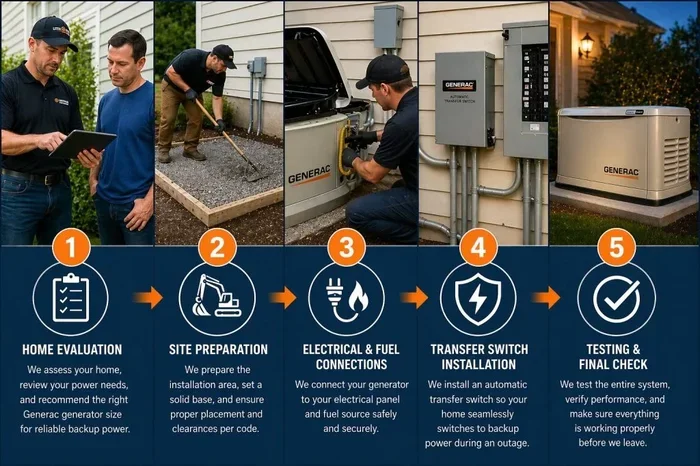
If you have a standby or whole house generator, a transfer switch is essential. This device connects your generator directly to your home’s electrical panel without the need for extension cords. It also prevents backfeeding, which is when electricity flows back into the power grid and can endanger utility workers. A licensed electrician should install the transfer switch and ensure your standby generator placement meets all local codes. A transfer switch makes your setup safer, more convenient, and more reliable during outages.
Create a Generator Safety Checklist
Before you finalize your placement, go through a generator safety checklist. Here are the key items to verify:
- Is the generator at least 20 feet from the house?
- Is the exhaust pointing away from windows and doors?
- Is the area well-ventilated on all sides?
- Is the surface flat and stable?
- Is the unit protected from rain and moisture?
- Are there no fire hazards nearby?
- Is the fuel stored at a safe distance?
- Have you checked local regulations and permits?
Going through this checklist before you set up your generator location outside can save you from costly mistakes and dangerous situations. It only takes a few minutes and can make all the difference.
Consider a Noise-Reducing Setup
Noise can be a real concern, especially if you have close neighbors or live in a residential area. Placing your generator on a rubber mat or anti-vibration pad can reduce noise significantly. You can also build a sound-dampening enclosure around the unit. Just remember that any enclosure must allow for proper airflow. Some homeowners even plant hedges or install fences around the generator area to help absorb sound. These generator noise reduction strategies can make your setup much more neighbor-friendly and keep everyone happy.
Test Your Setup Before You Need It
Do not wait for a power outage to test your generator placement. Run the generator for at least 30 minutes before you actually need it. Listen for unusual sounds, check for vibration, and make sure the exhaust is flowing freely. This test run will also help you identify any issues with your generator placement outside before they become real problems. It is much easier to fix a mistake during a test run than during a blackout when you need the power most.
Keep the Area Clean and Accessible
Your generator area should be clean, dry, and easy to access. Remove leaves, debris, and any flammable materials from around the unit. Make sure you can reach the generator quickly to start it or perform maintenance. A clutter-free area also reduces the risk of fire and improves airflow. Think of your generator spot as a small utility area that deserves regular attention and care. A little maintenance goes a long way toward keeping your unit running smoothly for years to come.
Comparing Generator Placement Options
To help you decide on the best setup for your home, here is a quick comparison of common generator placement outside options. Each has its pros and cons depending on your property size, budget, and local regulations.
| Placement Option | Pros | Cons |
|---|---|---|
| Side of the house (away from windows) | Easy access, short cord runs, convenient for starting | May still be close to windows, noise enters home |
| Backyard, open area | Far from windows, quieter, good natural ventilation | Longer cord runs, may need permits or inspections |
| Under covered porch or canopy | Weather protection, shaded, easy to access | Risk of restricted airflow if not designed properly |
| Generator enclosure or shed | Best weather protection, reduced noise significantly | Must have proper ventilation, higher setup cost |
| Concrete pad in open yard | Stable, level, good drainage, professional look | May be visible, needs sufficient distance from structures |
As you can see, each option has trade-offs. The best choice depends on your property size, local regulations, and personal preferences. The most important thing is to follow safety guidelines and never compromise on ventilation or distance from your home. A little extra planning upfront saves you from headaches and dangers later.
Final Thoughts on Generator Placement
Getting the placement of your generator right is one of the most important things you can do for your home and family. A well-placed generator provides reliable backup power while keeping everyone safe from CO, fire, and weather damage. Remember the key principles: keep it far from your house, ensure proper ventilation, protect it from the elements, and always follow local rules. Where to place a generator outside is not just a question of convenience. It is a safety decision that affects every member of your household. Take the time to plan your setup carefully, test it before you need it, and maintain it regularly. A little effort in the beginning goes a long way toward peace of mind when the power goes out. Your generator will work hard for you. Make sure its location works just as hard to keep you and your family safe.
Frequently Asked Questions
How far should a generator be from the house?
The general rule is to place your generator at least 20 feet away from your house. This distance helps prevent carbon monoxide from entering your home through windows, doors, and vents. Always check your local building codes for specific distance requirements in your area, as some regions have stricter rules.
Can I run a generator under a deck or porch?
You can run a generator under a deck or porch, but only if there is plenty of airflow. The exhaust must not be trapped, and the area must be well-ventilated on all sides. A fully enclosed space is dangerous because fumes can build up quickly and become lethal within minutes.
What is the best surface to place a generator on?
A flat, hard, and stable surface is best for generator placement. Concrete pads, gravel areas, or generator stands work well. Avoid placing your generator on grass, dirt, or uneven ground, as these can cause instability, fuel leaks, and moisture damage over time.
Do I need a permit to place a generator outside?
Many areas require permits for generator installation, especially for standby or whole house generators. Check with your local building department or fire marshal to learn about the rules in your area. Getting the right permits ensures your setup is safe, legal, and compliant with local codes.
How do I protect my generator from rain?
Use a weather-resistant cover, canopy, or custom generator enclosure to protect your unit from rain. Make sure the cover has open sides for proper ventilation. Never use a completely sealed cover while the generator is running, as this can trap heat and exhaust gases, creating a dangerous situation.
Can I place my generator next to a fence?
It is best to keep your generator at least five feet away from fences and property lines. Fences can block airflow and trap exhaust fumes, which increases safety risks. Check your local setback requirements, as many areas have specific rules about how close generators can be to boundaries and neighboring structures.