Labor Cost to Replace AC Compressor and Repair Tips
The labor cost to replace AC compressor typically ranges from $400 to $1,500, depending on your unit type, accessibility, and local HVAC rates. Most homeowners pay between $1,000 and $3,000 total for parts and labor combined. Understanding the breakdown helps you make informed decisions and avoid overpaying for AC compressor replacement.
Your air conditioner works hard to keep your home cool, and the compressor is the heart of the whole system. When it starts failing, you feel the heat fast. But here is the question everyone asks: what does it actually cost to fix it? The labor cost to replace AC compressor can vary a lot based on several factors, and knowing those factors puts you in a much better position.
This guide breaks down everything you need to know. We will walk through the average costs, what drives the price up or down, and how to decide between repair and full replacement. You will also find practical repair tips that can save you hundreds of dollars. Let us get into it.
Key Takeaways
- Average labor cost: $400 to $1,500 for professional compressor replacement.
- Total project cost: Usually $1,000 to $3,000 including parts and refrigerant.
- Replacement time: Most jobs take 4 to 8 hours depending on complexity.
- DIY is risky: Improper installation can void warranties and cause safety hazards.
- Signs of failure: Warm air, strange noises, and frequent tripping are red flags.
- Save money: Get multiple quotes and ask about seasonal discounts.
📑 Table of Contents
- What Is an AC Compressor and Why Does It Fail?
- Average Labor Cost to Replace AC Compressor
- Factors That Affect AC Compressor Replacement Cost
- DIY vs Professional AC Compressor Repair
- How to Save Money on AC Compressor Replacement
- When to Replace vs When to Repair
- Common Mistakes to Avoid
- Expert Insights on AC Compressor Longevity
- Final Thoughts on AC Compressor Replacement Cost
What Is an AC Compressor and Why Does It Fail?
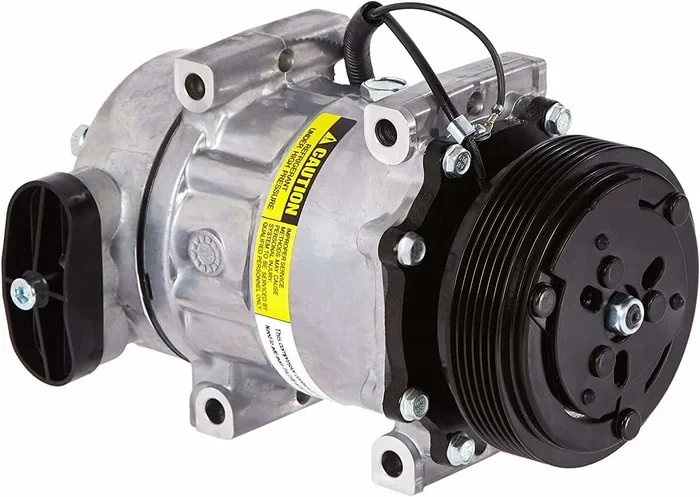
The AC compressor is the part of your air conditioning system that pumps refrigerant through the unit. It compresses the gas and pushes it through the coils so your home stays cool. Without a working compressor, your entire cooling system stops.
So why do compressors fail in the first place? There are several common reasons:
- Age: Most compressors last 10 to 15 years. Older units are more likely to fail.
- Dirty coils: When coils get clogged, the system works harder and wears out faster.
- Low refrigerant: A leak reduces pressure and forces the compressor to overwork.
- Electrical problems: Power surges or faulty wiring can damage the compressor motor.
- Blocked suction lines: Restricted airflow puts extra strain on the unit.
Recognizing compressor failure symptoms early can save you from a full breakdown. If your AC blows warm air, makes grinding or clicking noises, or keeps tripping the circuit breaker, call a technician right away. Catching the problem early often means a simpler and cheaper fix.
Average Labor Cost to Replace AC Compressor
Let us talk numbers. The AC compressor replacement cost for labor alone usually falls between $400 and $1,500. But the total cost, including parts and refrigerant, can range from $1,000 to $3,000 or more. Here is a closer look at what you can expect.
Labor Cost Breakdown by Unit Type
The type of AC system you have plays a big role in the final price. Different units require different levels of effort and expertise.
- Central air conditioner: $400 to $1,200 in labor. These are the most common systems in homes.
- Mini-split system: $300 to $800 in labor. Easier access often means lower costs.
- Window unit: $150 to $400 in labor. Simpler design, but replacement is often more practical than repair.
- Heat pump system: $500 to $1,500 in labor. These systems have more complex connections.
How Long Does the Replacement Take?
Most AC compressor replacement time ranges from 4 to 8 hours. A straightforward swap on an accessible unit might take just 4 hours. But if your system is hard to reach, has corroded connections, or needs additional repairs, the job could stretch longer.
Here is what the timeline typically looks like:
- Diagnosis and preparation: 30 minutes to 1 hour.
- Removing the old compressor: 1 to 2 hours.
- Installing the new compressor: 2 to 3 hours.
- Testing and refrigerant recharge: 1 to 2 hours.
Keep in mind that these are averages. Your local HVAC technician fees and the complexity of your setup will influence the actual time.
Factors That Affect AC Compressor Replacement Cost
Not all compressor replacements cost the same. Several factors can push the price higher or lower. Understanding these helps you avoid surprises on your bill.
1. Accessibility of the Unit
If your outdoor unit sits on a flat, easy-to-reach roof or ground level, the job is straightforward. But if it is on a second-story balcony, inside a tight crawl space, or surrounded by landscaping, the technician will need extra time and effort. This directly increases the AC compressor labor cost.
2. Refrigerant Type and Recharge
Older systems often use R-22 refrigerant, which is being phased out. This type costs significantly more than the newer R-410A refrigerant. If your system needs a full recharge, the refrigerant cost alone can add $200 to $500 to the total.
3. Brand and Model of Compressor
OEM (original equipment manufacturer) compressors cost more but come with warranties and guaranteed compatibility. Aftermarket or compatible compressors are cheaper but may not carry the same reliability. The brand of your AC unit also matters. Premium brands like Carrier or Trane tend to have pricier replacement parts.
4. Geographic Location
HVAC labor rates vary widely by region. Urban areas and places with a high cost of living typically charge more. A technician in a major city might bill $150 to $200 per hour, while someone in a rural area could charge $100 to $130 per hour.
5. Additional Repairs Needed
Sometimes the compressor failure causes damage to other parts. You might also need a new capacitor, contactor, or fan motor. These additional repairs can add $200 to $800 to the total bill.
| Factor | Low Impact Cost | High Impact Cost |
|---|---|---|
| Unit Accessibility | +$0 to $100 | +$200 to $400 |
| Refrigerant Recharge | +$100 | +$500 |
| Compressor Brand | +$200 | +$800 |
| Geographic Location | +$100 | +$300 |
| Additional Repairs | +$200 | +$800 |
The table above gives you a general idea of what to expect. Always ask your technician for a detailed written estimate before work begins.
DIY vs Professional AC Compressor Repair
Some homeowners wonder if they can save money by replacing the compressor themselves. It is a fair question, but the answer is more complicated than you might think.
Can You Replace an AC Compressor Yourself?
Technically, yes. But here is the reality: AC compressor replacement involves handling refrigerant, working with electrical components, and using specialized tools. In most states, handling refrigerant requires EPA certification. Doing the job without proper certification is actually illegal and can result in fines.
Even if you have the skills, you risk voiding your unit’s warranty. Most manufacturers require professional installation for compressor replacements. If something goes wrong down the road, you will have no coverage.
When Professional Help Is Essential
You should always hire a professional if:
- Your unit is under warranty.
- The compressor uses R-22 or another regulated refrigerant.
- The unit is hard to access.
- You notice electrical damage or burning smells.
- The system is part of a central AC compressor setup with complex wiring.
A licensed HVAC technician has the training, tools, and insurance to handle the job safely. The labor cost to replace AC compressor is worth the peace of mind that comes with professional work.
When a DIY Approach Might Work
There are a few minor repairs you can handle yourself without calling a technician. These include:
- Cleaning or replacing air filters.
- Clearing debris around the outdoor unit.
- Checking and resetting the circuit breaker.
- Inspecting visible wiring for damage.
These simple steps can sometimes solve cooling problems without any cost at all. But for anything involving the compressor itself, leave it to the pros.
How to Save Money on AC Compressor Replacement
Repairing or replacing an AC compressor does not have to drain your wallet. With the right approach, you can lower the AC unit repair cost significantly.
Get Multiple Quotes
Never accept the first quote you get. Contact at least three local HVAC companies and ask for a detailed breakdown of labor, parts, and refrigerant costs. Comparing quotes helps you spot fair pricing and avoid overcharges.
Ask About Seasonal Discounts
Many HVAC companies offer discounts during the off-season, typically in the fall and early spring. Scheduling your repair during these months can save you 10 to 20 percent. If your compressor is failing but not completely dead, ask the technician if a temporary fix can hold you over until the slower season.
Check Your Warranty Coverage
Before paying anything, check your warranty. Many AC compressor warranty policies cover parts for 5 to 10 years and compressors for up to 10 years. If your unit is still under warranty, the replacement cost could be significantly lower or even free.
Consider a Home Warranty Plan
If you do not have a manufacturer warranty, a home warranty plan might help. These plans typically cover HVAC repairs for a monthly or annual fee. They can save you hundreds of dollars on major repairs like compressor replacement.
Explore Financing Options
Some HVAC companies offer financing or payment plans for larger repairs. If the total cost is steep, ask about interest-free options or monthly payment plans. This can make the AC repair cost much more manageable.
Also, if you are considering a backup power solution for your home during repair downtime, check out the home generator cost options available to keep your home cool while the AC is down.
When to Replace vs When to Repair
One of the hardest decisions homeowners face is whether to replace or repair a failing compressor. Here are some guidelines to help you decide.
Repair When
- The unit is less than 8 years old.
- The repair cost is less than 50 percent of a new unit.
- The compressor failure is isolated and not caused by general system wear.
- Your system uses a common refrigerant that is easy to source.
Replace When
- The unit is over 10 to 15 years old.
- The repair cost exceeds $1,500 and the system is inefficient.
- The compressor failure is linked to broader system issues.
- Your unit uses R-22 refrigerant, which is expensive and hard to find.
Sometimes the smartest move is to replace the entire system rather than just the compressor. A new high-efficiency unit can cut your energy bills by 20 to 40 percent. If you are weighing this option, understanding what size generator to run a house can also help you plan for backup power during the transition.
The Role of Proper Installation
Whether you are repairing or replacing, proper installation is critical. A poorly installed compressor can fail again within months. Make sure your technician follows manufacturer guidelines and handles refrigerant properly. If electrical work is involved, such as connecting the unit to your home’s power supply, always rely on a licensed professional.
For homes that need temporary power during extended repairs, knowing how to safely connect a generator is important. You can learn more about wiring a generator to a breaker box to ensure safe and code-compliant setup.
Common Mistakes to Avoid
Even well-meaning homeowners make mistakes when dealing with AC compressor issues. Here are the most common ones and how to avoid them.
- Ignoring early warning signs: Warm air, strange noises, and higher energy bills are not things to ignore. Address them early to prevent costly damage.
- Skipping the diagnosis: Not every cooling problem is a compressor issue. A professional HVAC system diagnosis can confirm the real problem before you spend money.
- Choosing the cheapest option: The lowest bid is not always the best deal. Cheap work often leads to repeat repairs and higher costs down the road.
- Forgetting about maintenance: Regular maintenance keeps your compressor healthy. Skipping annual tune-ups shortens the lifespan of your entire system.
- Not getting everything in writing: Always get a written estimate and warranty details. Verbal agreements offer no protection if something goes wrong.
Avoiding these mistakes can save you time, money, and a lot of frustration.
Expert Insights on AC Compressor Longevity
HVAC professionals agree that prevention is the best medicine for compressor problems. Here is what the experts recommend:
- Change your filters every 1 to 3 months: Clean filters keep airflow steady and reduce strain on the compressor.
- Schedule annual maintenance: A professional tune-up catches small issues before they become big problems.
- Keep the outdoor unit clean: Remove leaves, dirt, and debris from around the condenser unit at least twice a year.
- Monitor refrigerant levels: Low refrigerant is one of the top causes of compressor failure. If you notice a drop, call a technician immediately.
- Use a surge protector: Power surges can fry the compressor motor. A surge protector adds an inexpensive layer of protection.
These simple habits can extend the life of your compressor by several years and reduce the likelihood of unexpected AC repair service calls.
For homeowners who want to protect their entire cooling system, a reliable backup power source can make a big difference during outages or extended repairs. Understanding what size generator to run a house ensures you stay cool and comfortable no matter what.
Final Thoughts on AC Compressor Replacement Cost
The labor cost to replace AC compressor is a significant expense, but it does not have to be overwhelming. By understanding the cost breakdown, knowing what factors drive the price, and following the repair tips in this guide, you can make a confident decision. Always get multiple quotes, check your warranty, and trust professional installation for the best results.
Remember, a failing compressor is not something to put off. The longer you wait, the more damage it can cause to the rest of your system. Address the problem quickly, and your wallet will thank you in the long run.
Frequently Asked Questions
How much does it cost to replace an AC compressor?
The total cost typically ranges from $1,000 to $3,000, with labor making up $400 to $1,500 of that amount. The final price depends on your unit type, refrigerant needs, and local labor rates.
Is it cheaper to repair or replace an AC compressor?
Repair is usually cheaper if the unit is under 8 years old and the failure is isolated. If the unit is older than 10 to 15 years or has multiple issues, full replacement often makes more financial sense.
How long does AC compressor replacement take?
Most replacements take between 4 and 8 hours. Simple jobs on accessible units can be done in half a day, while complex installations may require a full day or more.
Can I drive my AC with a failing compressor?
You can run the fan without the compressor, but you will not get cool air. Continuing to run a failing compressor can cause further damage and increase the total repair cost.
Does homeowner insurance cover AC compressor replacement?
Most standard policies do not cover wear-and-tear failures. However, if the compressor failure was caused by a covered event like a power surge or storm damage, you may be eligible for a claim.
How can I prevent my AC compressor from failing?
Regular maintenance is the best prevention. Change filters monthly, keep the outdoor unit clean, schedule annual professional tune-ups, and use a surge protector to shield the system from electrical damage.
=== CONCLUSION ===
The labor cost to replace AC compressor is an expense every homeowner should understand before the need arises. With labor costs typically ranging from $400 to $1,500 and total project costs between $1,000 and $3,000, being informed puts you in control. Use the tips in this article to get fair pricing, avoid common mistakes, and make the best decision for your home and budget. A well-maintained compressor keeps your home cool and your energy bills low for years to come.