PET Compressor Parts And How To Choose The Right One
PET compressor parts are essential components that keep your PET air compressor running smoothly and efficiently. Choosing the right parts ensures better performance, longer equipment life, and lower maintenance costs. This guide walks you through every key component, selection tip, and common mistake to avoid.
Running a PET bottle production line means you depend on your equipment every single day. When a critical component fails, the whole operation can grind to a halt. That is why understanding PET compressor parts is so important for plant managers, maintenance crews, and business owners alike.
Whether you are replacing a worn-out valve or upgrading your entire compressor system, choosing the right components makes all the difference. The wrong part can lead to downtime, wasted energy, and expensive repairs. The right part keeps everything running like clockwork.
In this guide, we will break down everything you need to know about PET compressor parts. You will learn what each component does, how to pick the best ones, and how to avoid costly mistakes. Let us get started.
Key Takeaways
- Know your parts: Understanding each PET compressor part helps you make smarter buying decisions.
- Match the specs: Always check compatibility with your compressor model before purchasing.
- Quality matters: Genuine or high-grade aftermarket parts last longer and perform better.
- Maintenance is key: Regular inspection and timely replacement prevent costly breakdowns.
- Buy from trusted sources: Reputable suppliers offer warranties and reliable support.
- Watch for red flags: Avoid common mistakes like ignoring tolerances or buying cheap knockoffs.
📑 Table of Contents
What Are PET Compressor Parts?
A PET compressor is a specialized air compressor used in the production of PET bottles and preforms. It compresses air to high pressures, which is then used in the stretching and blow-molding process. PET compressor parts are all the individual components that make up this machine.
These parts range from large structural pieces like the compressor head and cylinder to small but vital items like O-rings and gaskets. Each part plays a specific role in delivering clean, consistent, high-pressure air. Without any one of them working properly, the entire system suffers.
The quality of your compressor replacement parts directly affects how well your production line performs. Cheap or mismatched parts lead to leaks, pressure drops, and unexpected failures. On the other hand, well-chosen components boost efficiency and extend the life of your machine.
Why PET Compressor Parts Matter
Think of your compressor like a human body. If one organ fails, the whole system is affected. The same is true for your PET air compressor. A single worn piston ring can reduce efficiency by up to 15 percent. A faulty compressor valve can cause pressure inconsistencies that ruin your bottle quality.
Investing in quality compressor spare parts is not just maintenance. It is a smart business decision. Here is why:
- Reduced downtime: Reliable parts mean fewer unexpected breakdowns.
- Energy savings: Well-functioning parts keep your compressor running efficiently.
- Longer equipment life: Quality components reduce wear on other parts of the system.
- Consistent output: Your bottles come out uniform and defect-free.
- Lower repair costs: Preventing problems is always cheaper than fixing them.
Key Components of a PET Compressor
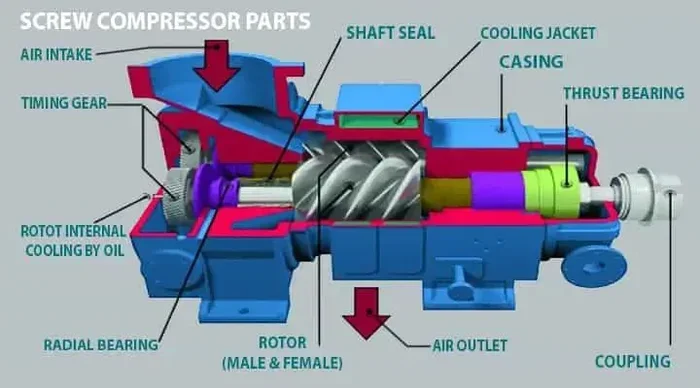
To choose the right parts, you first need to understand what makes up your compressor. Let us walk through the main air compressor components you will encounter.
Compressor Head Assembly
The compressor head assembly is the heart of your machine. It houses the valves, valve seats, and compression chambers. This is where the actual compression of air takes place. Over time, heat and pressure wear down the head, especially the valve plates and springs.
When shopping for a replacement compressor head assembly, make sure it matches your compressor brand and model exactly. Even small differences in valve port size can cause major performance issues.
Piston and Piston Rings
The piston moves up and down inside the cylinder to compress air. Piston rings for compressor create a seal between the piston and cylinder wall. This seal is what keeps compressed air from leaking back into the intake side.
Worn piston rings are one of the most common reasons PET compressors lose pressure. Signs of worn rings include:
- Drop in output pressure
- Increased oil consumption
- Visible smoke or vapor from the exhaust
- Longer warm-up times
Cylinder Liner
The compressor cylinder liner is the inner wall of the cylinder where the piston slides. It takes a lot of friction over time. A damaged liner can score the piston, leading to a chain of expensive repairs.
Always inspect your cylinder liner PET compressor during routine maintenance. Replacing a liner early is far cheaper than replacing a piston and cylinder head together.
Valve Kit
The compressor valve kit includes the intake and exhaust valves, valve plates, and springs. These tiny parts control the flow of air into and out of the compression chamber. If even one valve is stuck or worn, your compressor cannot maintain proper pressure.
Valve kits are considered consumable parts. They should be checked regularly and replaced as part of your scheduled maintenance plan.
Filter Elements
Clean air is critical for PET bottle production. Compressor filter elements remove moisture, oil, and contaminants from the compressed air. Clogged filters reduce airflow and can contaminate your bottles.
Most manufacturers recommend changing filter elements every 2,000 to 4,000 operating hours. However, if you work in a dusty environment, you may need to replace them more often.
Lubrication System Parts
Your PET compressor needs proper lubrication to run smoothly. Key lubrication parts include oil pumps, oil filters, and compressor lubricant itself. Without adequate lubrication, metal parts grind against each other, causing rapid wear and overheating.
Always use the lubricant type recommended by your compressor manufacturer. Using the wrong oil can damage seals and contaminate your production output.
Motor and Drive Components
The compressor motor components include the motor itself, coupling, belts, and V-belts. These parts transfer power from the motor to the compression mechanism. A failing motor or slipping belt can cause your compressor to underperform or shut down entirely.
Check belt tension regularly. A loose belt not only reduces efficiency but can also slip and cause overheating. Replace any cracked or frayed belts immediately.
How to Choose the Right PET Compressor Parts
Now that you know the main components, let us talk about how to choose the right ones. This is where many buyers make mistakes, so pay close attention.
Step 1: Identify Your Compressor Model
Before you buy anything, find your compressor model number and serial number. This information is usually on a nameplate attached to the machine. The model number tells you exactly which parts are compatible.
Never assume that parts from a similar-looking compressor will fit. Even compressors from the same manufacturer can have different specifications. Always cross-reference part numbers with your owner manual.
Step 2: Determine the Part Condition
Decide whether you need a brand-new part, a refurbished part, or an aftermarket compressor parts option. Here is a quick comparison:
| Option | Pros | Cons | Best For |
|---|---|---|---|
| Genuine OEM Parts | Perfect fit, full warranty, highest quality | Most expensive, longer lead times | Critical components, warranty-covered machines |
| Aftermarket Parts | More affordable, widely available | Quality varies by supplier | Non-critical parts, budget-conscious buyers |
| Refurbished Parts | Cost-effective, eco-friendly | Shorter lifespan, limited warranty | Temporary fixes, older machines |
For critical high-pressure compressor components like valve plates and cylinder liners, we strongly recommend genuine OEM parts. For less critical items like filter elements and O-rings, quality aftermarket options can save you money without sacrificing performance.
Step 3: Check Compatibility and Tolerances
This step is crucial and often overlooked. Every PET preform compressor has specific tolerances for each part. A valve plate that is even 0.1 millimeters too thick can change your compression ratio and ruin your bottle quality.
Always verify the following before ordering:
- Part number match from the original equipment manufacturer
- Material specifications (e.g., stainless steel vs. standard steel)
- Dimensional tolerances listed in the catalog
- Pressure rating compatibility with your system
- Temperature range the part can handle
Step 4: Evaluate the Supplier
Where you buy matters just as much as what you buy. A reliable supplier for compressor replacement parts should offer:
- Clear part descriptions with specifications
- Warranty or return policy
- Technical support for installation questions
- Positive reviews from other PET plant operators
- Fast shipping options for urgent replacements
Do not just go for the cheapest option online. A part that is significantly cheaper than market average is often a low-quality imitation. The savings upfront can cost you much more in downtime and repairs later.
Step 5: Consider Lead Times and Availability
In a production environment, time is money. When a part breaks, you need it fast. Before committing to a supplier, ask about their typical lead times and stock availability for reciprocating compressor parts and other common components.
Building a relationship with a local supplier who stocks popular PET bottle compressor parts can save you from emergency shipping fees and production delays.
Common PET Compressor Parts and Their Functions
Let us put it all together with a closer look at the most frequently replaced compressor performance parts.
Valve Plates and Springs
These small but powerful parts control airflow direction inside the compressor head. Intake valve plates draw air in during the downstroke, and exhaust valve plates push compressed air out during the upstroke. When they wear out, you lose pressure and efficiency.
Quick Tip: Keep a spare valve kit on hand. Replacing it during a scheduled shutdown is far cheaper than an emergency repair during production.
Oil Separator
The oil separator removes oil mist from the compressed air output. In PET bottle production, even tiny amounts of oil contamination can affect bottle clarity and food safety compliance. Replace your oil separator according to the manufacturer’s schedule.
Pressure Switch and Control Panel
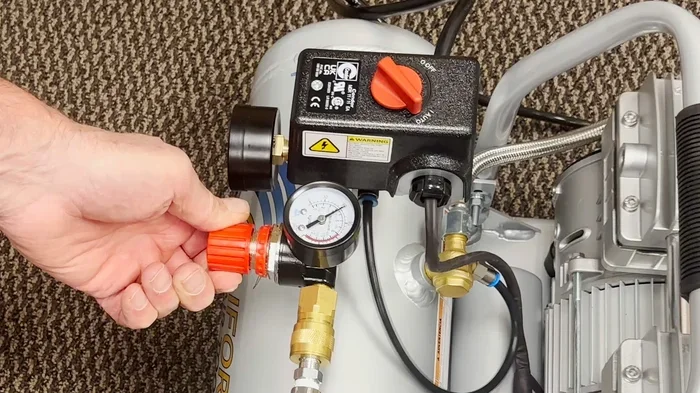
The pressure switch monitors system pressure and turns the compressor on or off as needed. A malfunctioning switch can cause the compressor to run continuously or fail to start. These electronic compressor motor components should be tested regularly as part of your maintenance routine.
Suction and Discharge Valves
These valves manage the flow of air at the intake and discharge stages. They are often the first parts to show wear because they deal with the most airflow. Inspect them during every maintenance cycle.
Maintenance Tips for PET Compressor Parts
Proper maintenance is the best way to get the most life out of your PET compressor parts. Here are some practical tips that real plant operators swear by.
Follow the Manufacturer’s Maintenance Schedule
Your compressor manual has a detailed maintenance schedule for a reason. It is based on thousands of hours of testing and real-world use. Following it keeps your warranty valid and your machine running at peak performance.
Set up a digital or paper log to track every maintenance task. Record part numbers, dates of replacement, and any observations. This log becomes invaluable when troubleshooting future issues.
Monitor Pressure and Temperature Regularly
Unusual pressure drops or temperature spikes are early warning signs of part failure. Install gauges at key points in your system and check them daily. A sudden change in your high-pressure compressor readings should trigger an immediate inspection.
Keep Parts Clean and Dry
Moisture is the enemy of compressor parts. Condensation inside the cylinder can cause rust and corrosion, which shortens the life of your cylinder liner PET compressor and other metal components. Make sure your condensate drains and air dryers are working properly.
Train Your Team
Your maintenance crew should know how to identify early signs of wear on every major part. A trained technician can spot a failing valve plate or a loosening belt before it becomes a major problem. Invest in regular training sessions.
Expert Insight
Industry veterans recommend a “predictive maintenance” approach for PET air compressor systems. Instead of waiting for parts to fail, use vibration analysis and thermal imaging to detect problems early. This strategy can reduce unplanned downtime by up to 40 percent.
Common Mistakes to Avoid
Even experienced operators sometimes make mistakes when choosing or maintaining compressor parts. Here are the most common ones:
- Skipping part numbers: Never assume a part is interchangeable without verifying the exact number.
- Ignoring gaskets and seals: These small parts cause the biggest leaks when overlooked.
- Delaying replacements: A part that is “still working” may be damaging other components.
- Using non-approved lubricants: Wrong lubricant can degrade seals and contaminate your product.
- Neglecting filter changes: Dirty filters force the compressor to work harder, wasting energy.
Where to Buy Quality PET Compressor Parts
Finding a trustworthy source for compressor spare parts can be challenging. Here are some reliable options:
- Original Equipment Manufacturer (OEM): The safest choice for critical components. You get parts designed specifically for your compressor.
- Authorized Distributors: These dealers carry genuine parts and often offer technical support and installation guidance.
- Specialized Industrial Suppliers: Companies that focus exclusively on compressor parts usually have the widest selection and best expertise.
- Online Marketplaces: Convenient for ordering, but always verify the seller’s reputation and return policy before purchasing.
When buying aftermarket compressor parts, look for suppliers who provide detailed specifications, material certifications, and customer reviews. A good supplier will also answer your technical questions and help you find the right fit.
Building a Long-Term Parts Strategy
Smart plant managers do not wait for parts to fail before ordering. Instead, they build a strategic inventory of commonly needed compressor replacement parts. This approach has several advantages:
- Faster repairs: You can fix problems immediately without waiting for shipping.
- Better pricing: Buying in bulk often comes with discounts.
- Reduced stress: You always have a backup plan when a part fails unexpectedly.
Start by identifying your most failure-prone parts based on your maintenance logs. Stock 2-3 units of each. Rotate your inventory to prevent old stock from degrading.
Conclusion
Choosing the right PET compressor parts is not complicated, but it does require attention to detail and a basic understanding of your equipment. From the compressor head assembly to the smallest O-ring, every part contributes to the performance and reliability of your PET bottle production line.
Follow the steps in this guide: identify your model, check compatibility, choose quality suppliers, and maintain your parts regularly. These simple practices will save you time, money, and headaches in the long run.
Remember, your compressor is only as good as its parts. Invest wisely, maintain consistently, and your production line will reward you with years of smooth, efficient operation.
Frequently Asked Questions
What are the most common PET compressor parts that need regular replacement?
The most commonly replaced parts include valve kits, piston rings, filter elements, and O-rings. These are considered consumable items and should be part of your regular maintenance schedule. Keeping spare units on hand can prevent unexpected production delays.
Can I use aftermarket PET compressor parts instead of OEM parts?
Yes, for many non-critical parts like filters, O-rings, and gaskets, quality aftermarket options work well and save money. However, for critical components like valve plates and cylinder liners, OEM parts are recommended to ensure proper fit and performance. Always verify the supplier’s reputation before purchasing aftermarket items.
How often should I inspect my PET compressor parts?
A thorough inspection should be performed at least every 500 to 1,000 operating hours. Daily checks of pressure gauges, temperature readings, and visible leaks can catch problems early. Refer to your compressor manual for the manufacturer’s specific inspection intervals.
What happens if I use the wrong PET compressor part?
Using an incompatible part can cause pressure leaks, reduced efficiency, overheating, and even catastrophic compressor failure. In PET bottle production, wrong parts can also contaminate your bottles, leading to quality control issues. Always verify part numbers and specifications before ordering.
How can I extend the lifespan of my PET compressor parts?
Regular maintenance, proper lubrication, clean operating environments, and timely replacements are the key factors. Avoid running the compressor beyond its rated capacity and address unusual noises or vibrations immediately. A well-maintained compressor can last 10 to 15 years or more.
Where can I find reliable suppliers for PET compressor parts?
Start with your compressor manufacturer’s authorized distributors. Specialized industrial suppliers and reputable online marketplaces are also good sources. Always check reviews, request specifications, and confirm warranty coverage before making a purchase. Building a relationship with a trusted local supplier is one of the best investments you can make.