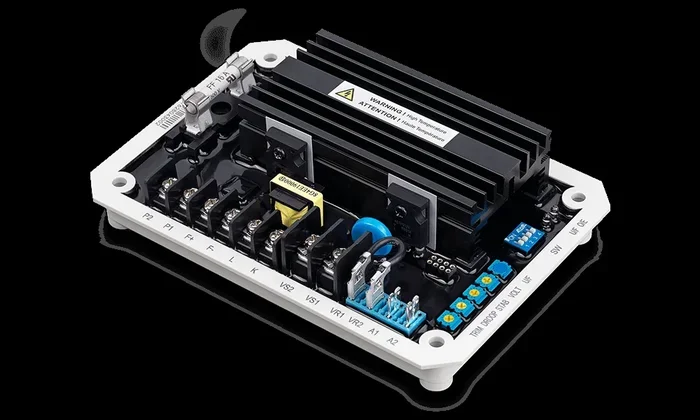
A voltage regulator controls generator output by design
A voltage regulator controls generator output by design to keep your electrical supply steady and safe. It adjusts voltage automatically so your tools and appliances run without damage. Understanding this process helps you pick the right generator and avoid costly repairs. Whether you own a portable or standby unit, voltage regulation is the hidden hero behind reliable power.
Have you ever wondered what keeps your generator from frying your favorite electronics? The answer lies in a small but mighty component called the voltage regulator. A voltage regulator controls generator output by design, ensuring the electricity your machine produces stays within safe limits. Without it, every surge and dip would wreak havoc on your appliances, tools, and entire electrical system.
Think of the voltage regulator as the brain of your generator’s electrical system. It constantly monitors output and makes real-time adjustments. This keeps voltage steady even when loads change. Whether you are powering lights during a blackout or running heavy tools on a job site, this component works silently in the background. In this article, we will break down exactly how this works and why it matters so much.
Understanding how a voltage regulator controls generator output gives you real power as a generator owner. You will know what to look for, what to maintain, and how to spot problems early. Let us dive into the design and mechanics behind this essential component.
Key Takeaways
- A voltage regulator keeps generator output stable by automatically adjusting voltage levels to match demand.
- Automatic Voltage Regulators (AVRs) are the most common type found in modern generators.
- Without proper voltage regulation, your appliances and electronics can suffer serious damage from power spikes.
- Several types of regulators exist, including electromechanical, digital, and static voltage regulators.
- Regular maintenance of your voltage regulator extends generator life and improves performance.
- Voltage instability often signals a failing regulator that needs immediate attention.
- Understanding how regulation works helps you troubleshoot problems and make smarter buying decisions.
📑 Table of Contents
- What Is a Voltage Regulator and Why Does It Matter?
- How a Voltage Regulator Controls Generator Output by Design
- The Core Components Inside a Voltage Regulator
- Types of Voltage Regulators Used in Generators
- Common Problems When Voltage Regulation Fails
- Tips to Keep Your Generator’s Voltage Stable
- Expert Insights on Voltage Regulation
- Key Takeaways
- Conclusion
What Is a Voltage Regulator and Why Does It Matter?
A voltage regulator is a device that manages the electrical output of a generator. Its main job is to keep voltage at a consistent level. Generators do not produce perfectly steady electricity on their own. The engine speed changes with load, and that changes the voltage. The regulator steps in to correct these fluctuations.
Why does this matter so much? Unstable voltage can destroy sensitive electronics. It can also shorten the life of motors and compressors. If you have ever seen a light bulb flicker on a generator, that is unregulated voltage at work. A good regulator eliminates that problem entirely.
Most generators come with a built-in regulator from the factory. However, older or budget models sometimes lack quality regulation. This is why knowing your machine matters. When you power your house with a generator, stable voltage is non-negotiable. It protects every device plugged into your system.
How Voltage Fluctuations Happen
Voltage changes happen for several reasons. When you add a heavy load, the generator engine slows down slightly. This drops the output voltage. When you remove a load, the engine speeds up and voltage rises. These swings happen constantly during normal operation.
The regulator detects these changes within milliseconds. It then adjusts the excitation current in the alternator. This process keeps output voltage locked at the target level. Without this rapid response, your power tools and home electronics would face constant stress.
How a Voltage Regulator Controls Generator Output by Design
The design of a voltage regulator is surprisingly elegant. At its core, it uses a feedback loop to monitor output voltage. This loop compares the actual voltage to a reference voltage. If there is a difference, the regulator adjusts the generator’s field current to correct it.
This feedback mechanism is what makes modern generators so reliable. The design ensures that whether you are running a single lamp or a full workshop of equipment, voltage stays constant. Let us look at the key design elements that make this possible.
The Feedback Loop Explained
The feedback loop is the heart of the regulation system. Here is how it works in simple steps:
- Sensing: A sensor measures the output voltage continuously.
- Comparison: The measured voltage is compared to the desired voltage.
- Adjustment: If the voltage is too high or too low, the regulator adjusts field current.
- Stabilization: The output settles back to the target voltage level.
This cycle repeats many times per second. The result is smooth, stable power delivery. When you check what a Generac generator runs on, you will find that voltage regulation is central to its design philosophy.
Why Design Matters for Output Stability
Not all regulators are created equal. Cheap regulators use basic designs that respond slowly. High-quality regulators use advanced circuits that react almost instantly. The design directly affects how well your generator handles sudden load changes.
If you are using a generator for sensitive electronics like computers or medical devices, design quality becomes critical. A poorly designed regulator may allow voltage spikes that damage your equipment. Always check the regulator specifications before purchasing a generator for important applications.
The Core Components Inside a Voltage Regulator
A voltage regulator contains several key parts that work together. Each component plays a specific role in maintaining steady output. Let us break down the most important ones.
1. The Sensing Circuit
The sensing circuit monitors the output voltage in real time. It uses small resistors and transformers to measure voltage levels accurately. This circuit feeds data back to the control unit. Without a precise sensing circuit, the regulator cannot make correct adjustments.
2. The Control Unit
The control unit acts as the brain. It receives voltage data from the sensing circuit and decides what action to take. In older generators, this is a simple mechanical circuit. In modern digital regulators, the control unit uses a microprocessor for precision control.
3. The Exciter Circuit
The exciter circuit adjusts the magnetic field inside the generator’s alternator. By increasing or decreasing field current, it controls output voltage. This is the actual mechanism that raises or lowers voltage. A strong exciter circuit means fast and accurate voltage correction.
4. The Reference Voltage Source
Every regulator needs a reference point. The reference voltage source provides a stable baseline. The control unit compares actual output against this reference. If the two do not match, adjustments begin immediately.
These four components work as a team. If any one fails, voltage regulation suffers. This is why regular inspection matters. When you wire a generator to a breaker box, proper voltage regulation ensures safe power distribution throughout your home.
Types of Voltage Regulators Used in Generators
Not all voltage regulators work the same way. Different designs suit different generator types and applications. Here are the most common types you will encounter.
Automatic Voltage Regulators (AVR)
AVRs are the most widely used type in portable and standby generators. They use electronic circuits to adjust voltage automatically. AVRs respond quickly to load changes and maintain stable output. Most modern generators come standard with an AVR built in.
The AVR design uses a small transformer to sense output voltage. It then varies the exciter winding current to maintain steady voltage. This type of regulator is reliable, affordable, and effective for most household and light commercial uses.
Digital Voltage Regulators
Digital regulators use a microprocessor to control voltage. They offer much faster response times than analog AVRs. Digital regulators can also provide diagnostic data and self-testing features. They are common in high-end and industrial generators.
If you need precision power for sensitive equipment, a digital regulator is the way to go. The microprocessor constantly analyzes voltage and makes micro-adjustments. This results in extremely clean power output with minimal fluctuation.
Electromechanical Voltage Regulators
Older generators sometimes use electromechanical regulators. These rely on moving parts like contact points and springs. They are less precise than electronic regulators but still effective for basic applications. You will find these in vintage or budget-friendly generator models.
These regulators work by physically adjusting the field current through a set of contacts. As voltage rises, a magnetic coil pulls the contacts apart. This reduces field current and lowers voltage. The process is mechanical and somewhat slower than electronic alternatives.
Static Voltage Regulators
Static regulators use solid-state components with no moving parts. They are highly reliable and last a long time. These regulators are common in large industrial generators. They provide excellent voltage stability under heavy loads.
Static regulators use components like thyristors and transistors to control voltage. Because there are no mechanical parts to wear out, they require very little maintenance. This makes them ideal for continuous-duty applications.
Common Problems When Voltage Regulation Fails
Even the best voltage regulators can develop problems over time. Recognizing the signs of a failing regulator helps you act fast. Ignoring voltage issues can lead to expensive damage.
Signs Your Regulator Is Not Working Properly
- Flickering lights: Lights that dim and brighten indicate unstable voltage.
- Overheating appliances: Devices running hotter than normal may receive too much voltage.
- Battery overcharging: In generator sets with batteries, overcharging signals a regulator fault.
- Voltage readings outside normal range: Use a multimeter to check output. Normal should be within 5% of rated voltage.
- Burning smell: A burnt odor near the regulator means internal damage has occurred.
What Causes Regulator Failure?
Several factors cause regulator failure. Heat is the biggest enemy. Generators get hot during operation, and prolonged heat degrades electronic components. Moisture and dust also cause corrosion and short circuits.
Overloading the generator is another common cause. When you run more devices than the generator can handle, the regulator works overtime. Eventually, this leads to burnout. Always check your generator capacity before connecting loads.
Age plays a role too. Regulators have a finite lifespan. If your generator is more than 10 years old, consider having the regulator inspected. When you run a generator for long periods, the regulator takes the most stress. Regular checks during extended use can prevent unexpected failures.
Tips to Keep Your Generator’s Voltage Stable
Maintaining stable voltage does not have to be complicated. A few simple habits can keep your regulator and generator running at peak performance.
1. Perform Regular Maintenance
Check your generator regularly. Clean the exterior and inspect connections. Tighten any loose wires. A clean, well-maintained generator regulates voltage more effectively. Schedule professional inspections at least once a year.
2. Do Not Overload the Generator
Every generator has a rated wattage. Stay within that limit. Overloading causes voltage drops and stresses the regulator. If you need more power, use a second generator or upgrade to a larger unit. When you determine what size generator to run a house, always add a safety margin for voltage stability.
3. Use a Quality Surge Protector
A surge protector adds an extra layer of protection. It catches voltage spikes that the regulator might miss. This is especially important for computers, TVs, and other sensitive electronics. A good surge protector is inexpensive and easy to install.
4. Monitor Fuel Quality
Clean fuel keeps the engine running smoothly. Dirty fuel causes engine speed fluctuations, which directly affect voltage output. Use fresh fuel and add a stabilizer if the generator sits for long periods. When you track how much gas a generator uses, you also monitor engine consistency, which supports stable voltage.
5. Keep the Generator Level
Generators work best on a flat, level surface. An uneven generator can cause internal component stress. This affects both the engine and the alternator. A level generator promotes consistent voltage output and reduces wear on the regulator.
Expert Insights on Voltage Regulation
Industry experts agree that voltage regulation is the most overlooked aspect of generator ownership. Many buyers focus on wattage and fuel type but ignore the regulator. Yet the regulator determines how clean and safe your power really is.
“The difference between a cheap generator and a premium one often comes down to the voltage regulator,” says equipment specialist Mark Donovan. “A good regulator delivers stable power even under variable loads. That is what protects your appliances and keeps everything running smoothly.”
When shopping for a new generator, ask about the regulator type. Digital regulators offer the best performance. AVRs provide solid value for most users. Electromechanical regulators are acceptable for basic needs but lack precision.
If you are considering a whole-house backup system, invest in a generator with advanced regulation. When you explore how much a whole house generator costs, factor in the quality of voltage regulation as part of your total value assessment.
Key Takeaways
- A voltage regulator controls generator output by design to keep voltage steady and safe for all connected devices.
- The feedback loop is the core mechanism that senses, compares, and adjusts voltage in real time.
- Four main components work together: the sensing circuit, control unit, exciter circuit, and reference voltage source.
- AVR and digital regulators are the best choices for most modern generator applications.
- Warning signs like flickering lights and overheating indicate a failing regulator that needs immediate attention.
- Regular maintenance and avoiding overloads extend the life of your voltage regulator significantly.
- Understanding regulation helps you buy smarter and troubleshoot faster when problems arise.
Conclusion
A voltage regulator controls generator output by design in a way that keeps your power clean, stable, and safe. From the feedback loop to the exciter circuit, every component plays a vital role. Without this regulation, generators would be unreliable and potentially dangerous for your electronics and appliances.
Now that you understand how voltage regulation works, you can make better decisions as a generator owner. Choose the right regulator type for your needs. Maintain your machine regularly. Watch for warning signs of regulator failure. These simple steps save money and prevent headaches down the road.
Whether you use a generator for home backup, job site power, or recreational travel, voltage regulation is always working for you. Give it the attention it deserves, and your generator will reward you with years of reliable, steady power. Take what you have learned here and apply it. Your appliances, your tools, and your peace of mind will thank you.
Frequently Asked Questions
What happens if a voltage regulator fails on a generator?
When a voltage regulator fails, output voltage becomes unstable. You may experience flickering lights, power surges, or low voltage conditions. Sensitive electronics can get damaged. In some cases, the generator may shut down entirely. Replace the regulator promptly to restore safe operation.
Can I replace a voltage regulator myself?
Yes, many regulators are user-replaceable. You will need basic tools and some electrical knowledge. Always disconnect the battery and spark plug before working on your generator. Refer to your owner’s manual for specific instructions. If you are unsure, hire a qualified technician for the job.
How long does a generator voltage regulator last?
A quality regulator can last 10 to 15 years with proper maintenance. Heat, moisture, and overloading shorten its lifespan. Regular inspections help identify wear before total failure. Keep your generator clean and avoid running it beyond its rated capacity.
Is an AVR the same as a voltage regulator?
Yes, an Automatic Voltage Regulator (AVR) is a type of voltage regulator. The term AVR is most commonly used for generators. It automatically adjusts voltage without manual input. All AVRs are voltage regulators, but not all voltage regulators are AVRs.
Does a voltage regulator affect fuel consumption?
Indirectly, yes. A well-functioning regulator keeps the generator engine running efficiently. A failing regulator can cause the engine to work harder, increasing fuel use. If you notice higher fuel consumption, check your voltage regulator as part of your diagnostic process.
What is the difference between a voltage regulator and a surge protector?
A voltage regulator controls steady output voltage from the generator. A surge protector guards against sudden voltage spikes from external sources. They serve different purposes but work together to protect your equipment. For best results, use both with your generator setup.