Can Am Tool Kit The Ultimate Guide for Serious Riders
The Can Am tool kit is an essential accessory for every serious rider who hits the trails, dunes, or backcountry roads. It keeps you prepared for roadside repairs, mechanical issues, and unexpected breakdowns far from help. Whether you ride a Can Am Maverick, Defender, or Spyder, having the right toolkit can save you time, money, and a lot of frustration on the trail.
If you have ever been stranded on a trail with a loose bolt or a flat tire, you know how important it is to have the right tools within arm’s reach. A Can Am tool kit solves that problem. It gives you everything you need to handle common mechanical issues while you are miles away from the nearest shop.
Serious riders know that preparation makes all the difference. Whether you are exploring remote desert trails or pushing through muddy backcountry roads, your Can Am accessories should include a dependable toolkit. This guide covers everything you need to know about choosing, using, and maintaining the perfect tool kit for your ride.
Key Takeaways
- Complete Coverage: A quality Can Am tool kit includes all the essential tools you need for trailside repairs and maintenance.
- Ride-Specific Options: Different Can Am models require different tool configurations, so choosing a model-specific kit matters.
- Durability Matters: The best kits are built from rugged materials designed to handle outdoor conditions and rough terrain.
- Portability Is Key: A good toolkit should be compact, lightweight, and easy to store on your vehicle or in your gear bag.
- Emergency Preparedness: Carrying a reliable tool kit reduces downtime and keeps you safe during long off-road adventures.
- Value Over Price: Investing in a quality kit now saves you from costly repairs and tows later.
📑 Table of Contents
What Is a Can Am Tool Kit?
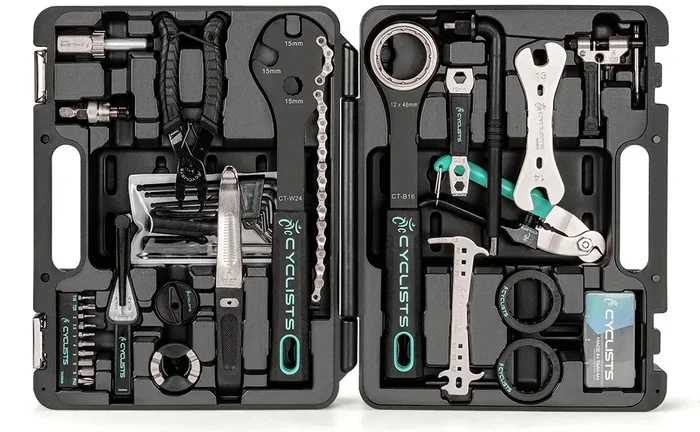
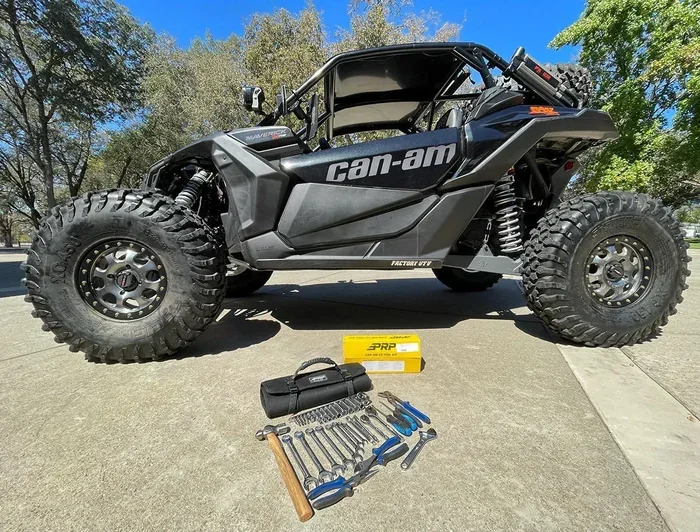
A Can Am tool kit is a collection of tools specifically designed for Can Am vehicles. These kits come in different sizes and configurations depending on your model and riding style. Some kits focus on basic trailside repairs, while others include advanced tools for more complex maintenance tasks.
Most kits include wrenches, screwdrivers, pliers, and socket sets. Higher-end kits may also feature tire repair tools, cable tension adjusters, and spare parts. The goal is simple. You want to be able to fix common problems on the spot without waiting for a tow truck or walking back to the trailhead.
Why Every Rider Needs One
Riding off-road means you are far from professional help. A flat tire, a snapped bolt, or a loose chain can end your day fast if you are not prepared. A Can Am tool kit keeps you riding instead of waiting. Here is why every rider should carry one:
- Immediate repairs: Fix minor issues on the trail and keep moving.
- Safety: A broken shift lever or throttle cable can be dangerous. A toolkit helps you address these problems fast.
- Cost savings: Avoid expensive tow fees and shop visits for simple fixes.
- Peace of mind: Know that you are ready for whatever the trail throws at you.
What Should Be in a Can Am Tool Kit?
Not all tool kits are created equal. The right contents depend on your vehicle model, your riding terrain, and how far you travel from civilization. A solid Can Am tool kit should cover the basics while remaining compact enough to carry comfortably.
Essential Tools for Every Kit
Every kit should start with the fundamentals. These are the tools you will reach for most often during a ride:
- Socket set: Metric and standard sizes for bolts and nuts.
- Wrench set: Open-end and combination wrenches in common sizes.
- Screwdrivers: Flathead and Phillips head in multiple sizes.
- Pliers: Needle-nose and standard locking pliers.
- Tire repair kit: Plugs, patches, and a compact air compressor.
- Cable tools: For adjusting throttle and brake cables.
- Multi-tool: A compact all-in-one tool for quick fixes.
Advanced Tools for Long Trips
If you plan on heading deep into the backcountry for multiple days, consider adding these tools to your Can Am accessories list:
- Torque wrench: For precise bolt tightening on critical components.
- Spark plug wrench: Easy removal and replacement of spark plugs.
- Chain tool: For cleaning, adjusting, and repairing your drive chain.
- Electrical tape and wire connectors: For quick electrical fixes.
- Zip ties and bungee cords: Temporary fixes that hold up surprisingly well.
Choosing the Right Can Am Tool Kit for Your Model
Can Am makes several different vehicle lines, and each one has unique tool requirements. A toolkit that works perfectly for a Can Am Maverick might not have everything you need for a Can Am Defender. Choosing the right kit starts with knowing your machine.
Maverick Tool Kit Considerations
The Maverick is built for speed and performance. Riders who push their Mavericks through dunes, motocross tracks, and desert trails need a kit that is lightweight but effective. Look for kits with metric hex keys, tire inflators, and chain maintenance tools. Since the Maverick has a more complex drivetrain, consider adding a portable tool set with specialty sockets.
Defender Tool Kit Considerations
The Defender is a rugged utility vehicle built for work and play. It faces heavier loads and rougher terrain. A Can Am tool kit for the Defender should include heavier-duty wrenches, a spare belt, and extra fasteners. The Defender also has more electrical components, so having basic wiring tools on hand is a smart move.
Spyder and Roadster Kits
Even on-road Can Am models like the Spyder need a toolkit. Roadside repairs on a highway are just as inconvenient as a breakdown on a trail. A compact Can Am Spyder tool kit with basic hand tools, tire gauges, and emergency supplies keeps you safe on longer road trips.
How to Organize and Store Your Tool Kit
Having the right tools is only half the battle. If your kit is a jumbled mess, you will waste precious time looking for the right wrench when you need it most. Proper organization makes a huge difference.
Use a Quality Tool Bag or Case
A hard-shell case protects your tools from impacts and moisture. A soft bag is lighter and easier to store. Choose based on your riding style. If you hit rough terrain hard, a durable hard case is the better choice. For lighter trail riding, a compact nylon bag works well.
Label and Group Your Tools
Keep similar tools together. Put all socket wrenches in one pouch, screwdrivers in another, and tire repair items in a separate compartment. Some riders use small pouches or even pill organizers for screws, bolts, and fasteners. Labeling each compartment saves time and reduces frustration.
Store Your Kit in an Accessible Location
Your tool kit should be easy to grab when you need it. Many riders store theirs under the seat, in a cargo box, or mounted to the side of the vehicle. Make sure it is secure and will not shift around during rough rides. A kit that flies off your vehicle during a jump or a sharp turn defeats the purpose entirely.
Also consider how you power your accessories during long trips. If you rely on a generator to charge devices or run equipment, check out how long a generator can run to plan your power needs on extended rides. You should also protect your gear from the elements, so learning whether a generator can get wet helps you make smart storage decisions when riding in rain or wet conditions.
Common Mistakes Riders Make With Their Tool Kits
Even the best Can Am tool kit will not help you if you make avoidable mistakes. Here are some common errors riders make and how to fix them.
Packing Too Much or Too Little
Some riders stuff their kit with every tool they own. This makes the kit heavy and bulky. Others pack only the bare minimum and forget critical items. The sweet spot is a kit that covers the most common repair scenarios without weighing you down. Think about where you ride and what problems you have faced before.
Ignoring Maintenance of the Kit Itself
Tools rust, bits get lost, and compartments break. A kit that has not been checked in months may not have what you need when an emergency hits. Take five minutes after every ride to inspect your kit. Replace worn items, tighten loose compartments, and make sure everything is in place.
Not Knowing How to Use the Tools
Carrying a torque wrench does you no good if you do not know how to use it. Before you head out on a big ride, practice with your kit at home. Learn how to change a tire, adjust your chain, and replace a spark plug. Confidence with your tools makes a massive difference when things go wrong on the trail.
Forgetting to Restock After Use
It is easy to use a zip tie or a spare bolt and then forget to replace it. Over time, your kit becomes less useful. Make restocking part of your post-ride routine. Check off each item you used and replace it before your next adventure.
Expert Tips for Getting the Most From Your Can Am Tool Kit
Experienced riders have learned a few tricks over the years that make their tool kits more effective. Here are some expert tips you can use right away.
Start with a base kit and customize it. Buy a solid foundation kit and then add tools specific to your riding style and terrain. A desert rider needs different tools than a forest trail rider.
Include a basic repair manual. A laminated quick-reference guide for your specific Can Am model fits right in the kit and saves you from guessing during a repair.
Pack a headlamp or flashlight. Many breakdowns happen at the worst possible time, like dusk or dawn. A small light makes a big difference when you are working on the side of the trail.
Add emergency supplies. A few bottles of water, a basic first aid kit, and a multi-tool knife complement your toolkit perfectly. These items address problems that tools alone cannot fix.
Keep a digital copy of your kit list. Store a photo of your fully packed kit on your phone. This makes restocking quick and easy after every ride.
Final Thoughts on the Can Am Tool Kit
A Can Am tool kit is one of the smartest investments any rider can make. It keeps you safe, saves you money, and gets you back on the trail faster when something goes wrong. Whether you are a weekend explorer or a dedicated off-road competitor, the right toolkit is non-negotiable.
Take the time to choose a kit that fits your model, your riding style, and your typical terrain. Organize it well, maintain it regularly, and practice using the tools before you need them in a real situation. When you are out on the trail and something breaks, you will be glad you did the work ahead of time.
The best riders are not the ones who never have problems. They are the ones who are prepared to handle those problems quickly and confidently. Your Can Am tool kit is the foundation of that preparation. Build it right, pack it smart, and ride knowing you are ready for anything the trail throws your way.
Frequently Asked Questions
What is included in a basic Can Am tool kit?
A basic Can Am tool kit typically includes a socket set, wrenches, screwdrivers, pliers, and a tire repair kit. Some kits also come with a multi-tool and cable adjustment tools. The exact contents vary depending on the model and manufacturer of the kit.
Can I use a generic tool kit for my Can Am vehicle?
Yes, you can use a generic tool kit, but a model-specific kit is better. Can Am vehicles have unique bolt sizes and component layouts. A purpose-built kit ensures you have the right tools for your specific ride without carrying extra weight.
How often should I check and restock my Can Am tool kit?
You should inspect your tool kit after every ride and restock any items you used. A full inventory check once a month helps catch missing parts or worn tools before they become a problem on the trail.
Is a Can Am tool kit necessary for short trail rides?
Even on short rides, a toolkit is important. Breakdowns can happen close to home just as easily as deep in the backcountry. A compact kit with basic tools takes up minimal space and provides big peace of mind.
What is the best way to protect my tool kit from moisture and dirt?
Use a hard-shell case or a waterproof bag to store your tools. Seal small items in zip-lock bags to keep them clean and dry. After rides in wet or muddy conditions, wipe down all tools and let them dry before storing them.
Should I include a generator in my Can Am adventure gear?
If you plan on extended off-grid trips, a small portable generator can be very useful for charging devices and powering equipment. Make sure to check how long a generator can run on a full tank so you can plan your power needs accordingly.