Can an Air Compressor Get Wet Without Ruining It Forever
Can an air compressor get wet? The short answer is yes, but with serious limits. Water can ruin internal components, cause rust, and create safety hazards if you are not careful. This guide covers everything you need to know about protecting your air compressor from water damage and what to do when things get wet.
So you are working outside and the sky opens up. Rain starts pouring down. You look at your air compressor sitting on the workbench and wonder, “Can an air compressor get wet without breaking?” It is a question many DIYers and professionals ask, especially when weather conditions are unpredictable. The truth is, air compressressors and water are not the best of friends. But with the right knowledge, you can protect your investment and keep your tools running strong.
In this guide, we will walk through everything you need to know about water exposure and air compressors. You will learn how water damages your machine, what happens when moisture gets inside, and how to prevent problems before they start. We will also cover what to do if your compressor already got wet. Whether you use a portable air compressor for home projects or a heavy-duty unit for professional work, this article has you covered.
Think of your air compressor like a sensitive electronic device. You would not throw your phone in a puddle and expect it to work perfectly afterward. The same logic applies here. Air compressor water damage is real, and it can be expensive. But the good news is that a little prevention goes a very long way.
Key Takeaways
- Water and compressors do not mix well: Even small amounts of moisture can damage internal parts over time.
- Electrical components are at risk: Water can short-circuit the motor and pressure switch, creating safety dangers.
- Rust is a silent killer: Moisture inside the tank leads to corrosion that weakens the structure.
- Prevention is simple: Covers, shelters, and moisture separators go a long way in protecting your unit.
- Act fast if it gets wet: Drying your compressor immediately can prevent long-term damage and costly repairs.
- Check your warranty: Many manufacturers void coverage for water-related damage that could have been prevented.
- Use a moisture separator: This simple tool removes condensation from your air lines and keeps tools running smoothly.
📑 Table of Contents
- What Happens When an Air Compressor Gets Wet
- How Water Damages Your Air Compressor
- Can an Air Compressor Get Wet in Specific Situations
- Protecting Your Air Compressor From Water Damage
- What To Do If Your Air Compressor Gets Wet
- Common Mistakes People Make With Wet Compressors
- Expert Insights on Air Compressor Water Resistance
- Comparison: Wet vs. Dry Compressor Performance
- Final Thoughts on Air Compressor Water Exposure
What Happens When an Air Compressor Gets Wet
The Immediate Effects of Water Exposure
The moment water touches your compressor, things start to change. On the surface, it might look fine. But underneath, damage is already beginning. Here is what happens when moisture meets your machine.
- Electrical components react immediately: Water can short-circuit the motor, pressure switch, and wiring. This creates a serious safety hazard.
- Lubrication breaks down: Water mixes with compressor oil and reduces its effectiveness. This leads to increased friction and wear.
- Metal parts start to corrode: Even brief exposure can begin the rusting process on internal and external surfaces.
- Pressure seals weaken: Rubber gaskets and O-rings can swell or degrade when exposed to water.
Some people think a little splash is no big deal. But even small amounts of moisture can cause problems over time. Think of it like a paper towel getting slightly damp. At first, it still looks okay. But leave it wet, and it starts to fall apart.
Can You Use an Air Compressor in the Rain?
The honest answer is no, you should not. Using your compressor in the rain is one of the fastest ways to cause permanent damage. Rainwater carries impurities and minerals that accelerate corrosion. It also increases the risk of electrical short circuits.
If you must work outdoors and rain is expected, stop and cover your unit. A simple compressor cover can save you hundreds of dollars in repairs. Think about it this way. You would not leave your laptop out in a thunderstorm. Treat your air compressor with the same respect.
Some people wonder if their portable air compressor is tough enough to handle a little water. While portable units are convenient, most are not designed for wet conditions. The same rules apply. Keep it dry whenever possible.
How Water Damages Your Air Compressor
Internal Tank Corrosion
The tank is the heart of your compressor. When water sits inside the tank, it reacts with the metal walls. Over time, this creates rust from the inside out. Rust weakens the tank and can eventually lead to cracks or even explosions in extreme cases.
Here is something many people do not realize. Condensation forms inside the tank every time you use the compressor. This is normal. But when external water adds to the problem, the moisture level spikes. The result is faster corrosion and shorter tank life.
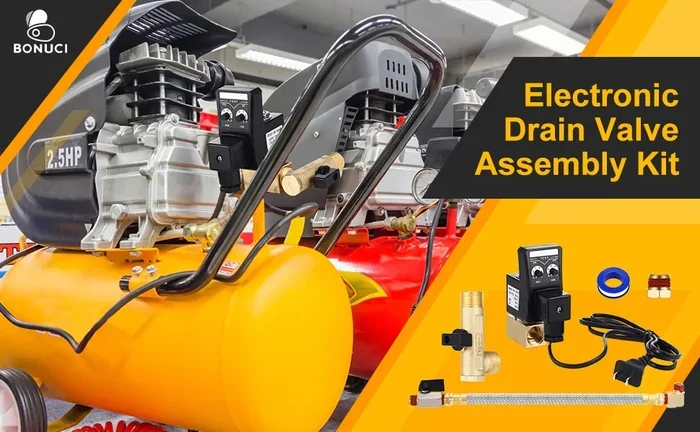
To prevent this, always drain your tank after each use. A moisture separator installed on the output line can also help remove excess water from the compressed air. This simple addition can extend the life of your compressor significantly.
Pressure Switch and Control Damage
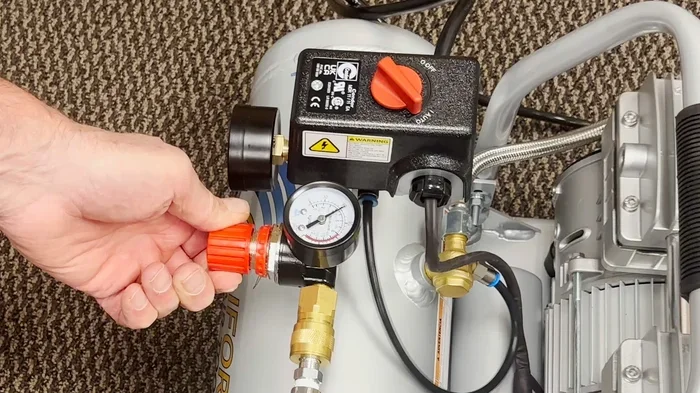
The pressure switch is a small but critical component. It tells your compressor when to turn on and off. Water exposure can cause the pressure switch to corrode or malfunction.
When the pressure switch fails, your compressor either runs constantly or will not start at all. Both scenarios are bad for the machine and your electricity bill. Protecting this component should be a top priority.
Motor and Electrical System Problems
The motor is the most expensive part of your compressor. Water intrusion into the motor windings can cause short circuits and complete failure. Once water reaches the electrical windings, the damage is often irreversible.
This is similar to what happens when a generator gets wet. Electrical equipment and water are a dangerous combination. Always keep your compressor dry to avoid costly motor replacements.
Oil Contamination
Most compressors use oil for lubrication. When water mixes with compressor oil, it creates a sludgy mixture that does not lubricate properly. This leads to increased wear on pistons, bearings, and cylinders.
Contaminated oil also loses its ability to cool the system. Overheating is one of the leading causes of compressor failure. Keeping the oil clean and dry is essential for long-term performance.
Can an Air Compressor Get Wet in Specific Situations
Condensation in Air Lines
Condensation is a natural byproduct of compressed air. When air cools, it releases moisture. This is why you sometimes see water dripping from your air hose. A little condensation is normal and expected.
However, excessive condensation can cause problems. It can rust your air lines, damage pneumatic tools, and create uneven pressure. Using an air dryer or moisture trap helps manage this naturally occurring moisture.
Humid Environments
If you live in a humid climate, your compressor faces more moisture challenges than most. High humidity means more water in the air, which means more condensation inside your machine.
Store your compressor in a climate-controlled area if possible. If that is not an option, use a dehumidifier in your storage space. These small steps make a big difference over time.
Outdoor Construction Sites
Construction sites are inherently wet and dirty environments. Your compressor is exposed to rain, mud, and ground moisture. This is one of the toughest environments for any pneumatic equipment.
To protect your unit on site, elevate it off the ground using a sturdy platform. Use a weatherproof cover when it is not in use. And always check the electrical connections for signs of moisture before starting the machine.
Some professionals also use generators alongside compressors on job sites. Keeping all your power equipment protected from the elements is a smart strategy for any outdoor work.
Protecting Your Air Compressor From Water Damage
Use a Proper Cover
A good compressor cover is your first line of defense against water. Look for covers made from waterproof materials like vinyl or heavy-duty polyester. Make sure the cover fits snugly and has ventilation to prevent trapped moisture.
Do not just throw a tarp over it. A proper cover protects against rain, dust, and humidity. It is a small investment that pays for itself many times over.
Store in a Dry Location
Where you store your compressor matters just as much as how you use it. Ideally, keep it in a dry, enclosed space like a garage or shed. If outdoor storage is your only option, invest in a weatherproof storage cabinet.
Avoid storing your compressor directly on concrete floors. Concrete sweats moisture, especially in humid conditions. Use a pallet or rack to keep the unit elevated and dry.
Install a Moisture Separator
A moisture separator, also called an aftercooler or air dryer, removes water from the compressed air before it reaches your tools. This protects both your compressor and your pneumatic equipment.
Installation is straightforward. Most separators attach directly to the output line. They use centrifugal force to spin water droplets out of the air stream. It is one of the easiest upgrades you can make for long-term compressor health.
Regular Maintenance Checks
Consistent maintenance is the best way to catch water damage early. Here is a simple checklist to follow:
- Drain the tank after every use.
- Check the oil for signs of water contamination.
- Inspect all hoses and connections for moisture.
- Look for rust or corrosion on external surfaces.
- Test the pressure switch for proper operation.
- Clean the air filter regularly.
Catching problems early saves you from expensive repairs down the road. Set a reminder to check your compressor every week, especially if you use it frequently.
Understand Your Compressor’s IP Rating
Some compressors come with an IP rating, which tells you how well they resist water and dust. IP ratings use two numbers. The first number rates dust protection. The second number rates water protection.
A higher second number means better water resistance. For example, an IP rating of IP54 means the compressor is protected against dust and splashing water. If you work in wet conditions, look for compressors with higher IP ratings. Not all compressors carry this rating, so always check the specifications before purchasing.
What To Do If Your Air Compressor Gets Wet
Immediate Steps to Take
If your compressor gets wet, do not panic. Quick action can prevent most of the damage. Here is what to do right away:
- Turn off the compressor immediately. Do not try to operate it while it is wet.
- Unplug it from the power source. This prevents electrical short circuits and shock hazards.
- Wipe down all external surfaces. Use a clean, dry cloth to remove as much water as possible.
- Open the drain valve. Let any water inside the tank escape completely.
- Move it to a dry area. Place the compressor in a warm, dry location to air out.
Do not use a heat gun or hair dryer on high settings directly on the motor. Excessive heat can damage sensitive components. Let it air dry naturally for at least 24 hours before attempting to use it again.
When To Call a Professional
Sometimes water damage goes beyond what you can fix on your own. If you notice any of the following signs after your compressor got wet, it is time to call a professional:
- The motor does not start or makes unusual noises.
- You see rust forming inside the tank or on critical components.
- The pressure switch fails to engage or disengage properly.
- Oil appears milky or cloudy, indicating water contamination.
- Electrical sparks or burning smells occur when you plug it in.
These are serious warning signs. Ignoring them can lead to complete compressor failure or even dangerous accidents. A professional technician can assess the damage and recommend the best course of action.
Preventing Future Water Exposure
After your compressor has been wet, take steps to prevent it from happening again. Review your storage setup and work environment. Consider adding better covers, improved drainage, or a dedicated storage area. Prevention is always cheaper than repair.
Also, check your warranty terms. Many manufacturers void the warranty if water damage is found. Understanding your coverage can save you from unexpected expenses. Some brands offer accessories specifically designed to protect against moisture. Investing in these can extend both your compressor’s life and your warranty coverage.
It is also worth noting that equipment like generators face similar challenges with water exposure. The principles of keeping electrical power equipment dry apply universally across your workshop and job site.
Common Mistakes People Make With Wet Compressors
Using It Before It Dries Completely
This is the most common mistake. People are eager to get back to work and turn on a damp compressor. This is a recipe for disaster. Always give your compressor plenty of time to dry completely before restarting it.
Ignoring Small Signs of Moisture
A little water dripping from the hose might seem harmless. But it is often a sign of a bigger problem. Ignoring small moisture issues leads to bigger problems like tank rust and motor failure over time.
Storing the Compressor Without Draining
Never store a compressor with water still inside the tank. Stagnant water accelerates corrosion from the inside. Always drain the tank before putting the compressor away, whether you used it five minutes ago or five hours ago.
Using the Wrong Cover
A plastic bag or garbage bag might seem like a quick fix. But these trap moisture and create a greenhouse effect. The trapped humidity actually speeds up corrosion. Always use a proper compressor cover with ventilation.
Expert Insights on Air Compressor Water Resistance
Industry professionals agree that water is one of the biggest enemies of air compressors. According to maintenance experts, most compressor failures related to moisture are entirely preventable. A few simple habits can keep your machine running for years.
One expert tip is to install a desiccant air dryer on your system. These dryers use a chemical process to remove moisture from compressed air. They are especially useful in humid environments or for applications where dry air is critical, like painting or sandblasting.
Another professional recommendation is to perform regular oil analysis. Testing your compressor oil for water content can reveal moisture problems before they cause visible damage. This proactive approach catches issues early and saves money on major repairs.
Some workshops use ozone generators to combat moisture and odors in enclosed storage spaces. While not directly related to compressor function, maintaining a dry storage environment benefits all your pneumatic equipment.
Comparison: Wet vs. Dry Compressor Performance
Understanding the difference between a well-maintained dry compressor and one that has suffered water exposure helps you appreciate the importance of moisture prevention.
| Factor | Dry Compressor | Wet Compressor |
|---|---|---|
| Motor Life | 10+ years with proper care | 2-5 years before failure |
| Tank Integrity | Strong, no corrosion | Rust, weak spots, potential leaks |
| Pressure Consistency | Stable and reliable | Unpredictable, drops under load |
| Tool Performance | Optimal, consistent airflow | Intermittent, moisture in lines |
| Maintenance Costs | Low, routine upkeep | High, frequent repairs needed |
| Safety Risk | Minimal | Electrical hazards, tank failure risk |
| Warranty Status | Usually valid | Often voided due to water damage |
The comparison makes it clear. Keeping your compressor dry is not just about performance. It is about safety, cost savings, and longevity.
Final Thoughts on Air Compressor Water Exposure
Can an air compressor get wet without suffering consequences? The answer is nuanced. A brief splash or light humidity is manageable. But sustained or heavy water exposure will cause real damage. The key is understanding the risks and taking action to prevent them.
Your air compressor is an investment. Like any investment, it needs proper care and protection. Following the tips in this guide will help you keep your compressor running smoothly for years to come. Remember to drain the tank, use a cover, store it properly, and act quickly if water does get on it.
Take a few minutes today to review your compressor setup. Check for any signs of moisture or corrosion. Make adjustments where needed. A little effort now saves you from big headaches later. Your compressor will thank you with reliable performance every time you need it.
Stay proactive about moisture management. Keep your tools dry, your workspace organized, and your maintenance schedule on track. These habits separate a compressor that lasts a decade from one that fails in just a few years. You have the knowledge now. Put it into practice and enjoy the benefits of a well-protected air compressor.
Frequently Asked Questions
Can I leave my air compressor outside in the rain?
No, you should never leave your compressor out in the rain. Water exposure can damage electrical components, cause rust, and void your warranty. Always bring it inside or cover it securely if rain is expected.
What happens if water gets inside the compressor tank?
Water inside the tank causes rust and corrosion from the inside out. Over time, this weakens the tank walls and can lead to leaks or even dangerous tank failure. Always drain your tank after each use to prevent this.
Can moisture in the air lines damage my pneumatic tools?
Yes, moisture in the air lines can damage pneumatic tools. Water causes internal corrosion, reduces tool performance, and can freeze in cold temperatures. Using a moisture separator helps protect your tools from these issues.
How do I know if my compressor has water damage?
Signs of water damage include milky or cloudy oil, rust on the tank, unusual noises from the motor, and inconsistent pressure output. If you notice any of these signs, inspect your compressor thoroughly and address the problem immediately.
Is it safe to use a wet air compressor after drying it?
It can be safe if you dry it completely and check all components before restarting. Wait at least 24 hours for the compressor to air dry. Inspect the motor, electrical connections, and tank for any remaining moisture before use.
Does compressor oil protect against water damage?
Compressor oil lubricates internal parts but does not protect against water intrusion. In fact, water mixing with oil creates a contaminated mixture that reduces lubrication effectiveness. Regular oil changes and moisture prevention are both essential.
=== CONCLUSION ===
Can an air compressor get wet without ruining it forever? Yes, but only if you act quickly and take preventive steps. Water damage is one of the most common and preventable issues compressor owners face. By understanding the risks and following the protection strategies in this guide, you can keep your compressor in excellent shape for years.
Remember to drain your tank regularly, use a proper cover, store your compressor in a dry location, and act fast if water exposure occurs. These simple habits make all the difference. Your compressor is a valuable tool. Treat it well, and it will serve you reliably through every project.